Master the fundamental sewing basics hand techniques of sewing to lay a solid foundation for a lifetime of sewing success. Learn the essential skills to get started with confidence.
When it comes to sewing, having a strong foundation in hand techniques is crucial for building skills that will last a lifetime. While many modern sewing machines can perform a variety of tasks with ease, there are still certain techniques that require a human touch. In this article, we’ll explore the essential hand techniques that every sewer should know to get started with confidence.
Understanding the Basics of Hand Sewing
————————————–
Hand sewing is an art that requires patience, practice, and attention to detail. It’s a skill that’s often overlooked in favor of machine sewing, but it’s an essential part of any sewing project. From repairing torn seams to adding delicate embellishments, hand sewing is an indispensable skill that every sewer should possess.
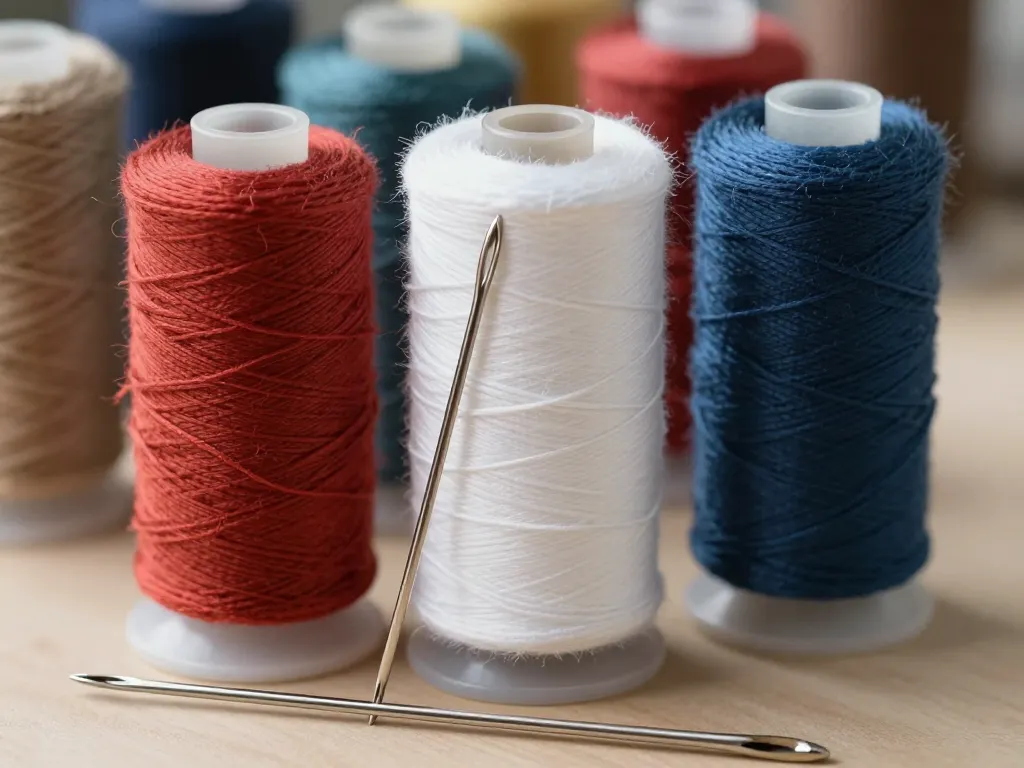
One of the most important aspects of hand sewing is choosing the right needle and thread. A sharp, thin needle is ideal for hand sewing, as it will easily glide through fabric without causing damage. When it comes to thread, it’s best to use a high-quality, cotton or silk thread that matches the color of your fabric.
Basic Hand Stitches for Sewing
—————————–
There are several basic hand stitches that every sewer should know. These stitches are the building blocks of hand sewing and can be used in a variety of applications. The running stitch, backstitch, and whipstitch are three of the most common hand stitches used in sewing.
The running stitch is the most basic of all hand stitches. It’s used to sew two pieces of fabric together, and is often used for basting or gathering fabric. To create a running stitch, bring your needle up through the fabric, then insert it back into the fabric about 1/4 inch away. Continue this process, moving your needle in a consistent, straight line.
The backstitch is a stronger stitch than the running stitch, and is often used for sewing seams or attaching buttons. To create a backstitch, bring your needle up through the fabric, then insert it back into the fabric about 1/4 inch away. Instead of moving your needle in a straight line, however, you’ll move it in a backward motion, creating a series of small stitches.
The whipstitch is a quick and easy stitch used to finish seams or attach a facing to a garment. To create a whipstitch, bring your needle up through the fabric, then insert it back into the fabric about 1/4 inch away. Continue this process, moving your needle in a consistent, circular motion.
Threading a Needle and Tying a Knot
———————————–
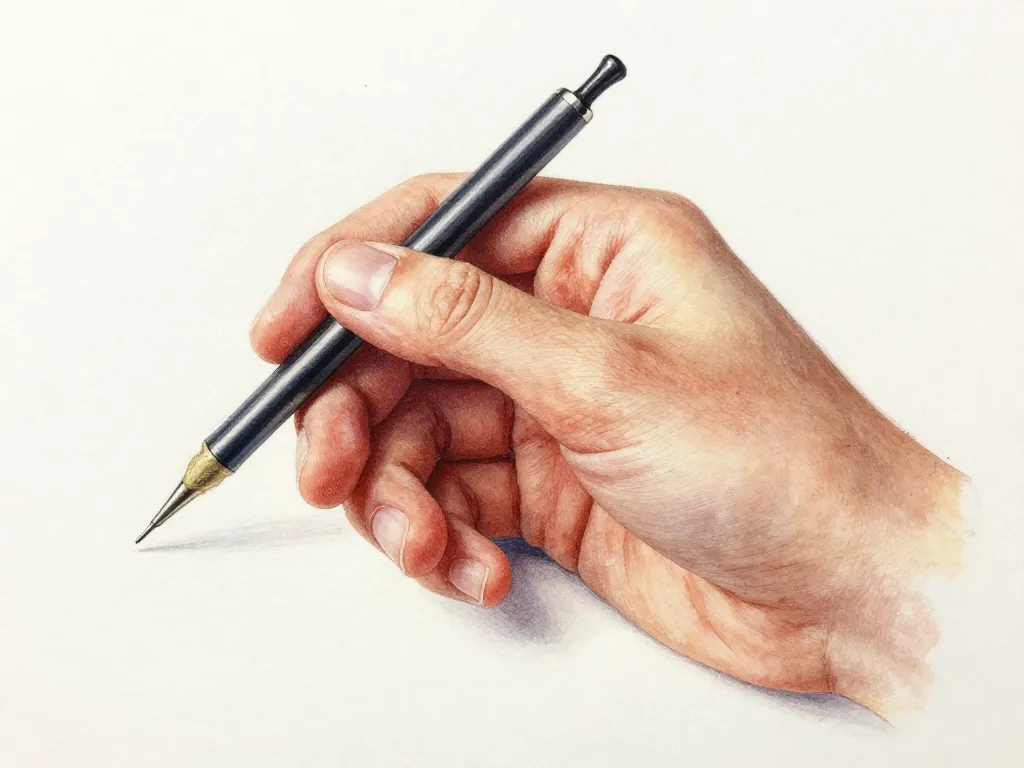
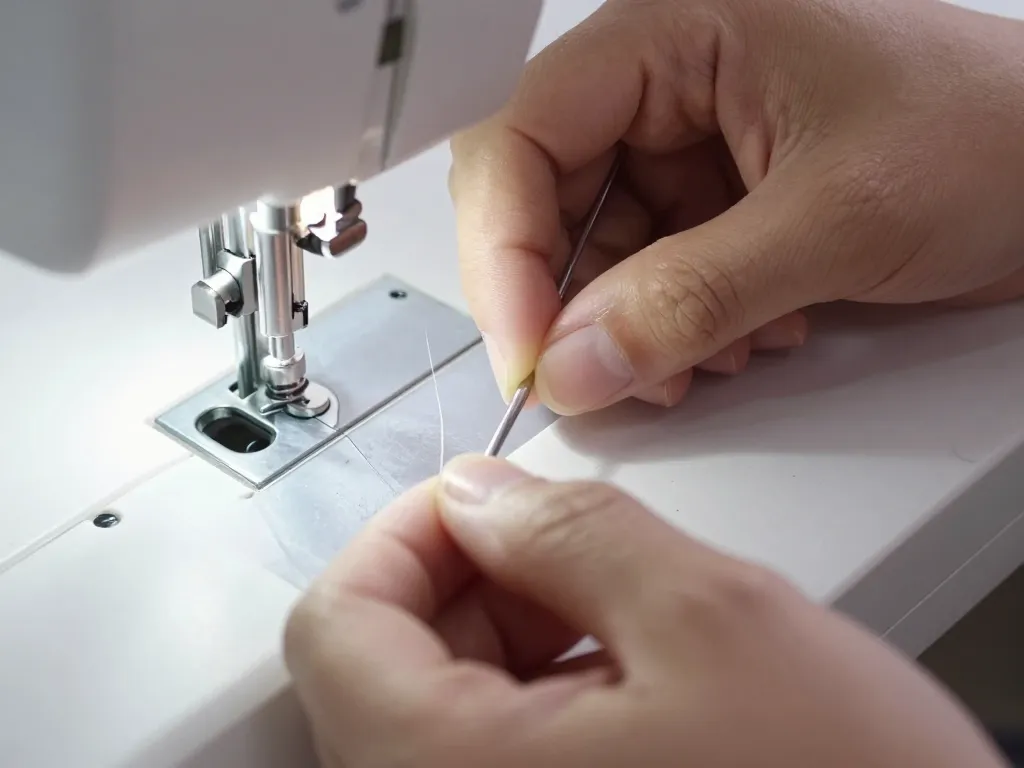
Before you can start sewing, you’ll need to thread your needle and tie a knot. This may seem like a simple task, but it’s an essential part of hand sewing. To thread a needle, hold the thread between your thumb and index finger, leaving a small loop at the end. Insert the needle into the loop, then pull the thread gently to secure it.
To tie a knot, hold the thread between your thumb and index finger, leaving a small loop at the end. Wrap the thread around the base of the loop, then pass the needle through the center of the loop. Pull the thread gently to secure the knot.
Common Hand Sewing Mistakes to Avoid
————————————-
Even experienced sewers can make mistakes when it comes to hand sewing. One of the most common mistakes is using the wrong type of thread or needle. This can cause your stitches to be uneven or weak, leading to a poorly constructed garment.
Another common mistake is pulling your thread too tightly, which can cause your fabric to pucker or distort. Instead, try to maintain a consistent tension on your thread, using a gentle pulling motion to secure your stitches.
Finally, be careful not to sew over your fingers or hands. This may seem like a simple mistake to avoid, but it’s a common error that can cause injury or discomfort. Always keep your hands and fingers away from your needle and thread.
Conclusion
———-
Mastering the basics of hand sewing takes time and practice, but it’s an essential skill for any sewer. By understanding the basics of hand sewing, learning basic hand stitches, and avoiding common mistakes, you’ll be well on your way to building strong skills that will last a lifetime. So why not get started today? Grab a needle and thread, and begin practicing the essential hand techniques that will take your sewing to the next level. With patience and practice, you’ll be creating beautiful, professional-looking garments in no time.
read also: Best Dress Sewing Patterns Guide
0 Comments