Master the art of hand sewing with our beginner-friendly guide, let’s learn to sew by hand, covering essential techniques and tips to get you started on your sewing journey.
Hand sewing is an essential skill that every sewing enthusiast should possess. Not only does it allow you to create beautiful, intricate stitches, but it also provides a sense of accomplishment and satisfaction that comes with creating something with your own hands. As a beginner, it’s natural to feel intimidated by the thought of sewing by hand, but with practice and patience, you can master the simple techniques that will take your sewing skills to the next level.
Understanding the Basics of Hand Sewing
Before you begin, it’s essential to understand the basics of hand sewing. You’ll need a few basic tools, including a needle, thread, and fabric. Choose a high-quality thread that matches the color of your fabric, and select a needle that’s suitable for hand sewing. There are several types of needles available, including sharp, beading, and tapestry needles. For beginners, a sharp needle is a good starting point.
👋 Sounds interesting?
Explore the full offer — you might find exactly what you’ve been looking for.
When it comes to fabric, choose a simple, lightweight material such as cotton or linen. Avoid thick or stretchy fabrics, as they can be challenging to work with. It’s also essential to understand the grain of the fabric, which refers to the direction of the warp and weft threads. Sewing parallel to the grain will make it easier to achieve even, consistent stitches.
The Running Stitch: A Beginner’s Best Friend
The running stitch is the most basic hand sewing stitch and is used to sew two pieces of fabric together. It’s an essential stitch that every beginner should master, as it’s used in a variety of sewing projects, from repairing tears to creating beautiful embroidery. To create a running stitch, bring your needle up through the fabric, then insert it back into the fabric about 1/4 inch away. Continue making small, even stitches, moving your needle in a consistent, rhythmic motion.
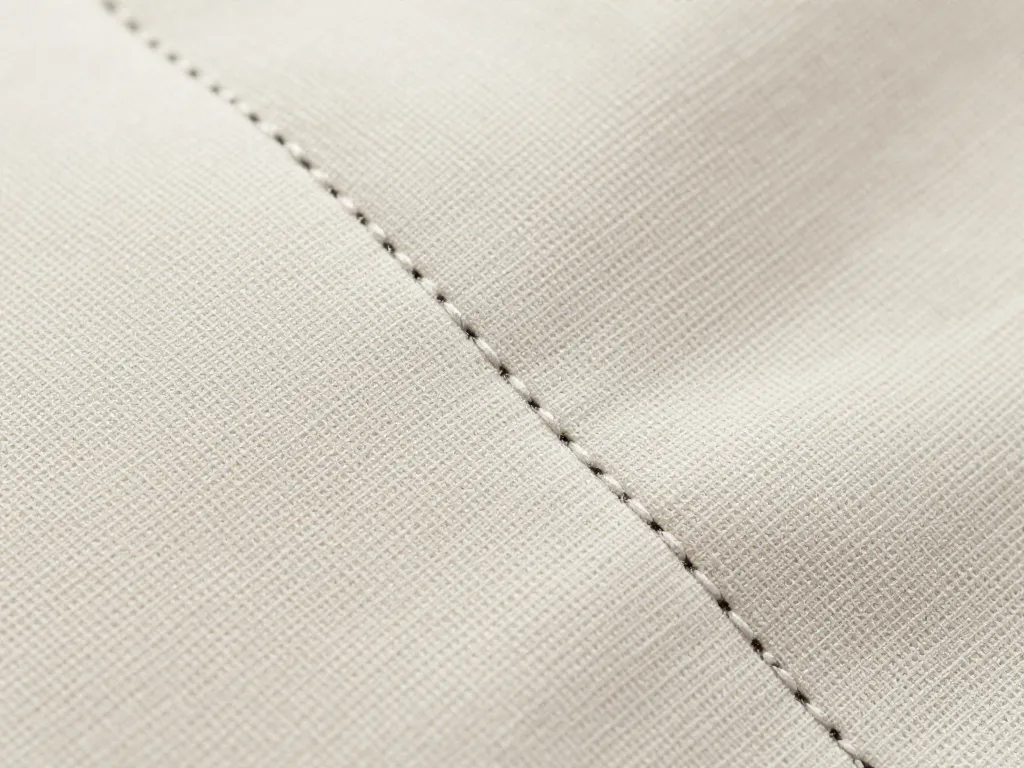
Learn to Sew by Hand with Basic Stitches for Beginners
The Backstitch: A Strong and Reliable Stitch
The backstitch is a stronger, more secure stitch that’s used to sew two pieces of fabric together, particularly when working with thicker materials. It’s also used to create outlines and details in embroidery and appliqué. To create a backstitch, bring your needle up through the fabric, then insert it back into the fabric about 1/4 inch away, making a small stitch. Then, bring your needle back up through the fabric about 1/4 inch ahead of your previous stitch, making another small stitch. Continue making small, even stitches, moving your needle in a consistent, rhythmic motion.
The Whipstitch: A Quick and Easy Stitch
The whipstitch is a quick and easy stitch that’s used to finish seams and edges. It’s also used to attach lace, ribbons, and other trim to fabric. To create a whipstitch, bring your needle up through the fabric, then insert it back into the fabric about 1/4 inch away, making a small stitch. Continue making small, even stitches, moving your needle in a consistent, rhythmic motion.
⭐ Top Pick
This is one of the most recommended options in this category. Check availability before it sells out.
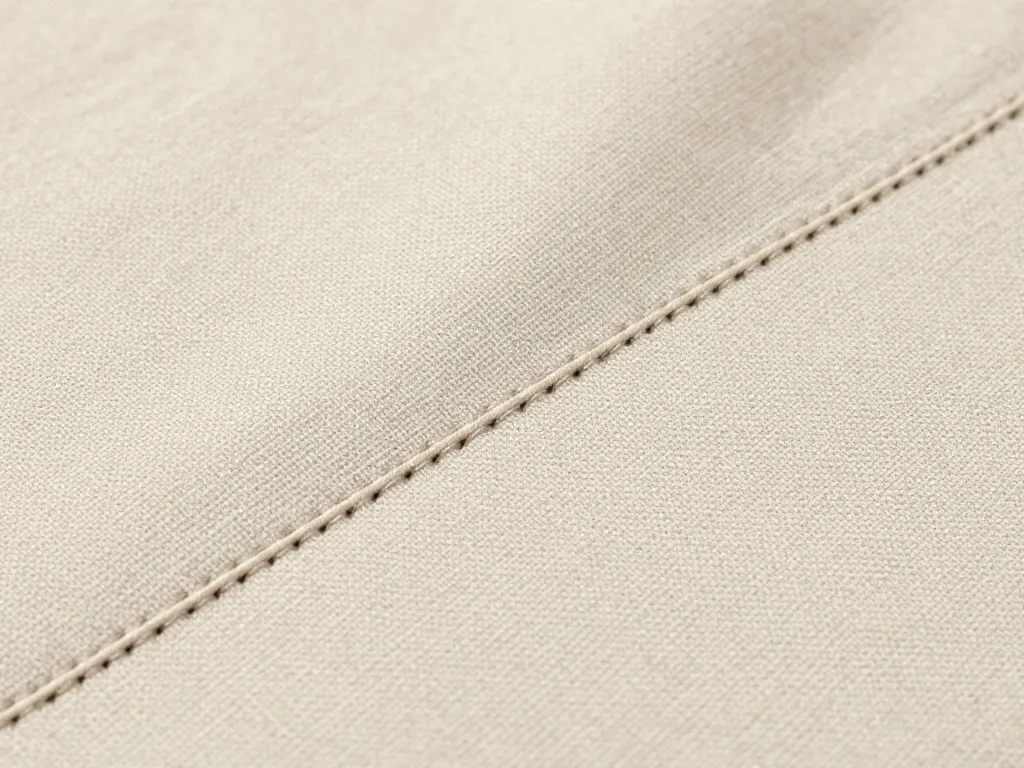
Tips and Tricks for Hand Sewing Success
As you begin your hand sewing journey, there are a few tips and tricks to keep in mind. First, always use good lighting, as it will make it easier to see your stitches. Second, use a thimble to protect your fingers from the needle. Third, keep your thread taut, but not too tight, as it can cause puckering or distortion. Finally, practice, practice, practice! The more you sew, the more comfortable you’ll become with the stitches and the easier it will be to achieve even, consistent results.
Common Mistakes to Avoid
As a beginner, it’s natural to make mistakes. However, by being aware of common mistakes, you can avoid them and achieve better results. One common mistake is sewing too tightly, which can cause puckering or distortion. Another mistake is sewing too loosely, which can cause the stitches to come undone. Finally, make sure to keep your stitches even and consistent, as uneven stitches can detract from the overall appearance of your project.
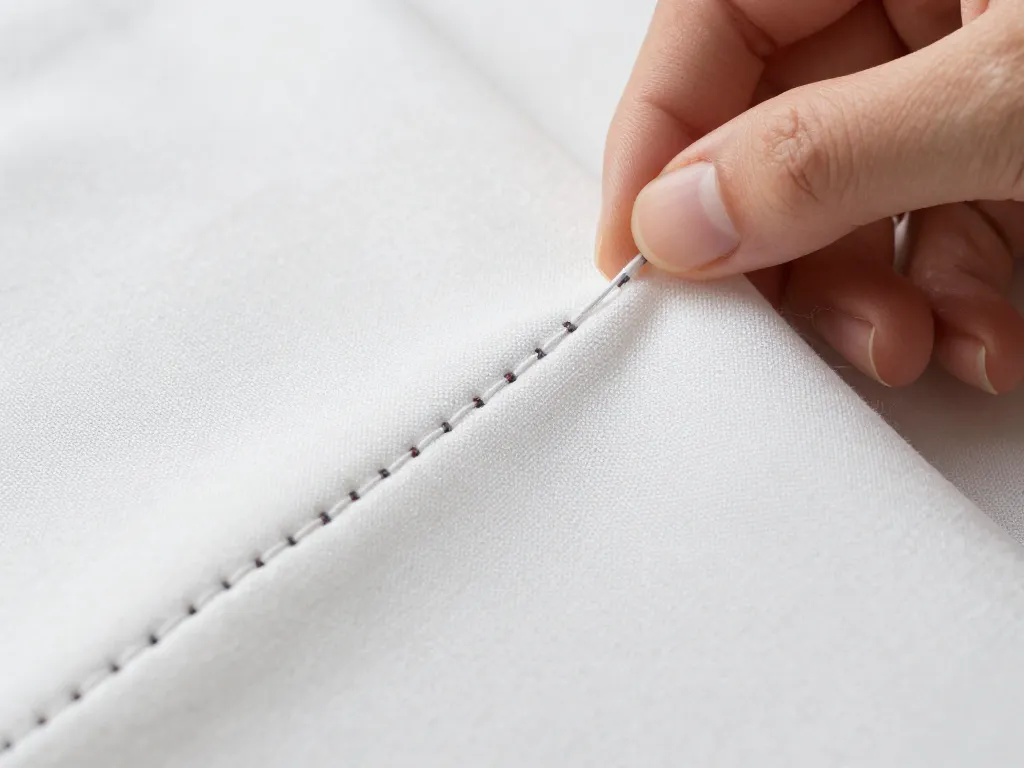
Getting Started with Hand Sewing
Now that you’ve learned the basics of hand sewing, it’s time to get started! Begin with a simple project, such as sewing a straight line or creating a small embroidery design. As you become more confident, you can move on to more complex projects, such as sewing a garment or creating a beautiful piece of embroidery. Remember to practice regularly, and don’t be afraid to make mistakes. With time and patience, you’ll become a skilled hand sewer, capable of creating beautiful, intricate stitches that will take your sewing skills to the next level.
Take Your Hand Sewing Skills to the Next Level
If you’re ready to take your hand sewing skills to the next level, consider enrolling in a sewing class or workshop. These classes will provide you with personalized instruction and feedback, helping you to improve your skills and achieve better results. You can also find a wealth of online resources, including tutorials, videos, and sewing communities, that will provide you with inspiration and support as you continue on your hand sewing journey. So why wait? Grab your needle and thread, and start sewing today!
0 Comments