Teach your kids the fundamentals of sewing with our easy-to-follow guide, making learning fun and engaging with simple techniques and creative projects.
Introducing kids to the world of sewing can be a rewarding experience for both of you. Not only does it foster creativity and self-expression, but it also develops essential skills like hand-eye coordination, fine motor skills, and problem-solving. However, it’s crucial to make the learning process enjoyable and engaging, especially for young minds. In this article, we’ll explore the sewing basics for kids, breaking them down into simple, easy-to-follow techniques that will have your little ones stitching like pros in no time.
The Importance of Teaching Kids to Sew
Sewing is an invaluable skill that can benefit kids in numerous ways. It encourages creativity, builds confidence, and develops patience and perseverance. Moreover, sewing can become a lifelong hobby, providing an outlet for self-expression and a sense of accomplishment. By teaching kids to sew, you’re not only imparting a practical skill but also helping them develop essential life skills.
Getting Started with Sewing Basics for Kids
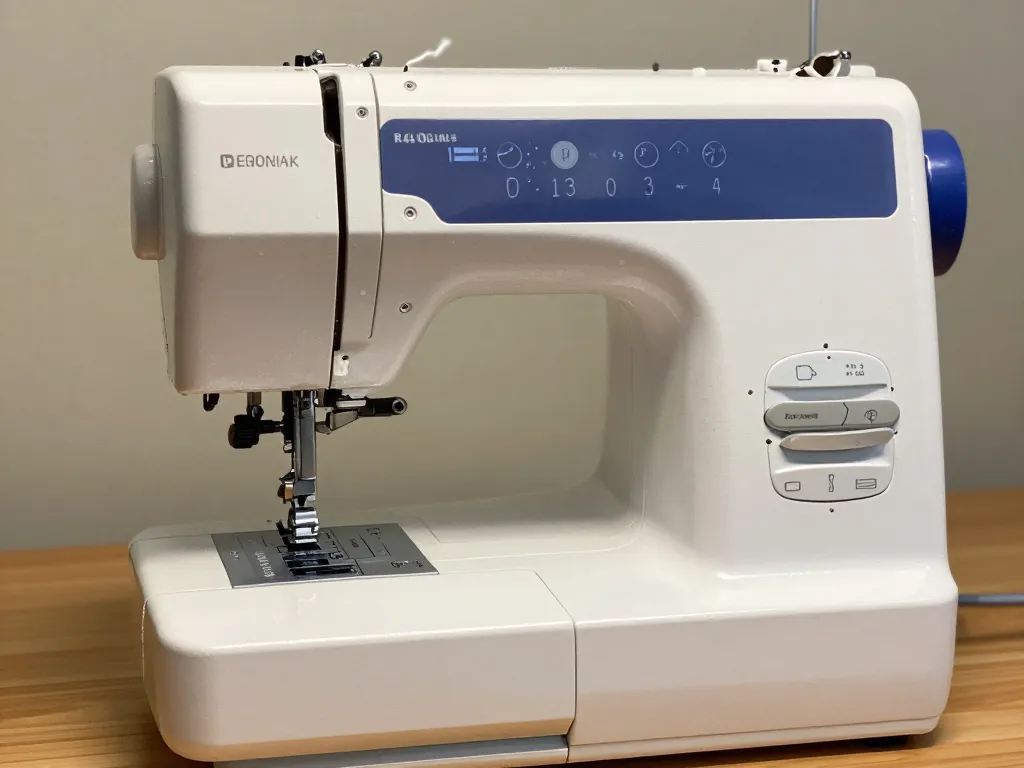
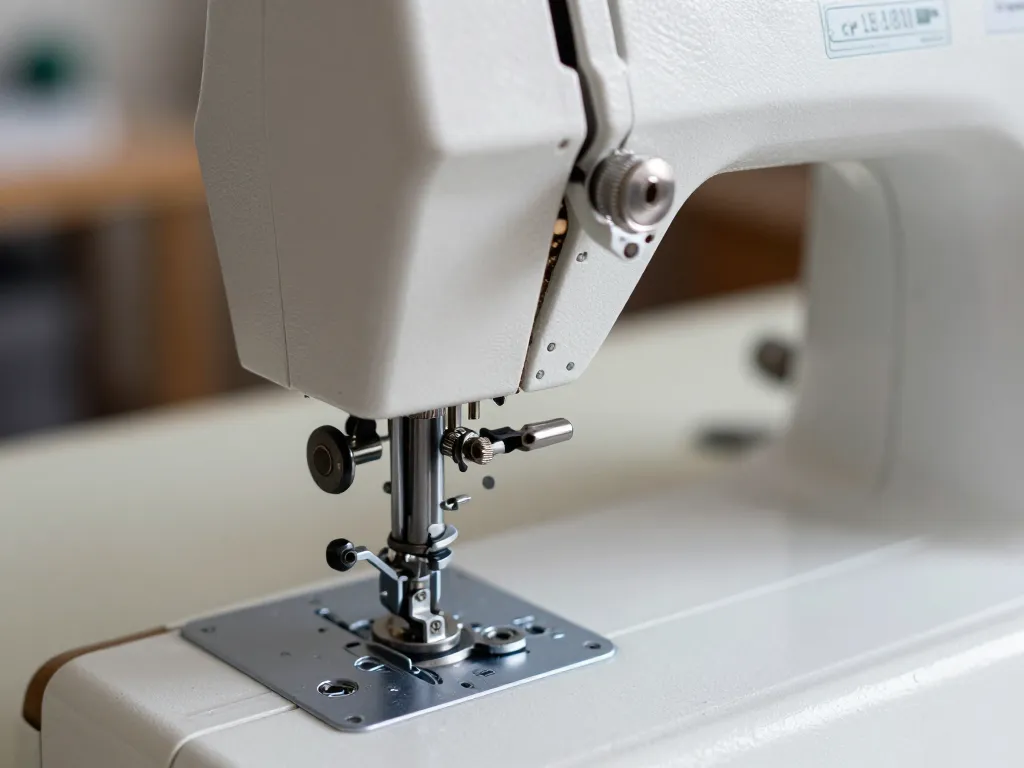
Before diving into the world of sewing, it’s essential to ensure your child has the necessary tools and materials. Invest in a child-friendly sewing machine, scissors, pins, and a variety of fabrics. You can start with simple, inexpensive materials like cotton or felt, gradually moving on to more complex fabrics as their skills improve.

Sewing Safety for Kids
Safety should always be the top priority when teaching kids to sew. Make sure they understand the importance of handling sharp objects like scissors and pins with care. Teach them to keep their fingers away from the sewing machine’s needle and to always supervise them when using the machine. It’s also crucial to establish a safe and comfortable sewing environment, free from distractions and tripping hazards.
Basic Sewing Techniques for Kids
Now that you’ve covered the basics, it’s time to introduce your child to fundamental sewing techniques. Start with simple exercises like threading a needle, tying a knot, and sewing a straight line. Use fun, interactive methods like sewing on paper or fabric scraps to make the learning process engaging and enjoyable. As they become more confident, move on to more complex techniques like backstitching and running stitch.
Teaching Kids to Sew with Simple Projects
One of the most effective ways to teach kids to sew is through simple, fun projects that spark their creativity. Start with basic projects like sewing a stuffed animal, a pillowcase, or a tote bag. These projects will help them develop their skills, build confidence, and create a sense of accomplishment.

The Role of Patience and Encouragement
Teaching kids to sew requires patience, understanding, and encouragement. It’s essential to praise their efforts, even if their stitches are uneven or their seams are imperfect. Foster a positive learning environment where they feel comfortable making mistakes and learning from them. By doing so, you’ll help them develop a growth mindset, essential for mastering the art of sewing.
Incorporating Technology into Sewing for Kids
In today’s digital age, it’s essential to incorporate technology into sewing for kids. Utilize online resources, tutorials, and apps that provide interactive sewing lessons, games, and exercises. These tools can make the learning process more engaging, fun, and accessible, especially for kids who are visual learners.

Sewing Games and Activities for Kids
Sewing games and activities can be an excellent way to make the learning process more enjoyable and interactive. Try activities like “Pin the Needle on the Fabric” or “Sewing Bingo” to make sewing more engaging and fun. You can also organize sewing competitions or challenges, encouraging kids to showcase their skills and creativity.
Tips for Parents and Educators
As a parent or educator, it’s essential to be involved in the learning process, providing guidance, support, and encouragement. Here are some valuable tips to keep in mind:
Start with simple projects and gradually move on to more complex ones.
Provide positive feedback and encouragement, focusing on effort rather than perfection.
Make the learning process fun and engaging, incorporating games and activities.
Be patient and understanding, recognizing that sewing is a skill that takes time to develop.
Conclusion
Teaching kids to sew can be a rewarding experience, providing them with essential skills, confidence, and creativity. By breaking down the sewing basics into simple, easy-to-follow techniques and incorporating fun, interactive projects, you can make the learning process enjoyable and engaging. Remember to be patient, encouraging, and supportive, and always prioritize safety. With these simple yet effective methods, you’ll be well on your way to raising the next generation of sewing enthusiasts. So, why not get started today and watch your kids thrive in the world of sewing?


0 Comments