Learn the fundamental sewing tools and techniques every beginner needs to get started with sewing, from sewing machines to scissors, threads, and more.
As a beginner, venturing into the world of sewing can be overwhelming, especially when it comes to selecting the right tools for the job. With so many options available, it’s easy to get confused about what you really need to get started. In this article, we’ll take a closer look at the essential sewing basics tools every beginner needs and provide guidance on how to use them properly.
The Sewing Machine: The Heart of Your Sewing Journey
——————————————————–
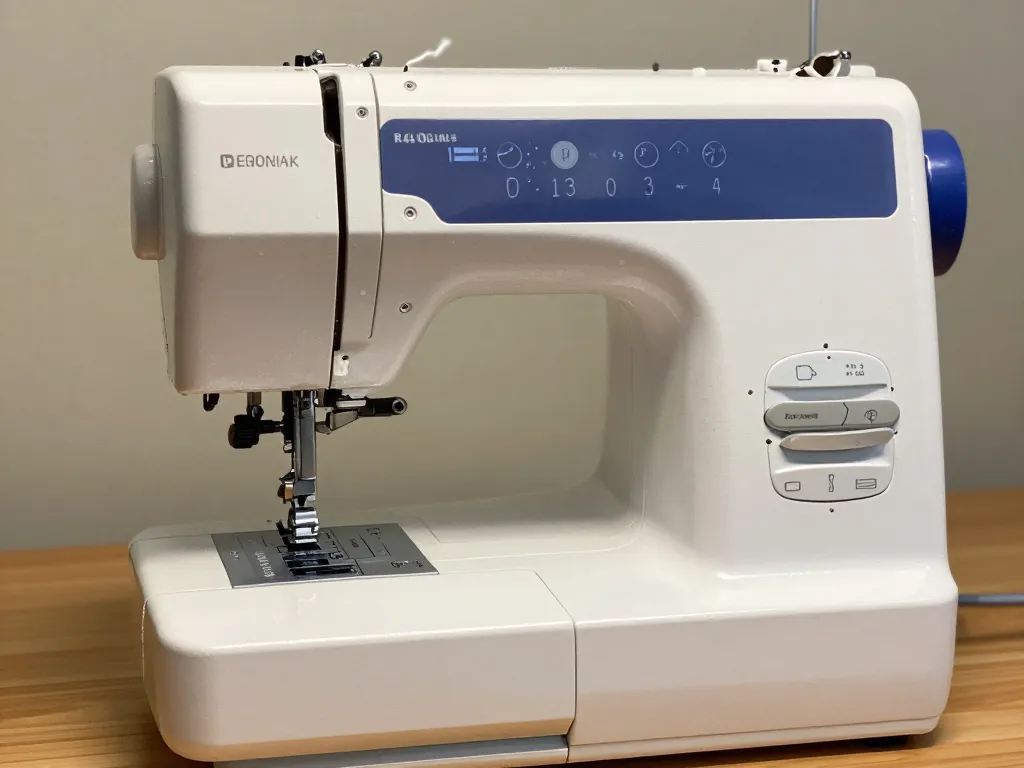
A sewing machine is the most critical investment for any sewing enthusiast. It’s the heart of your sewing journey, and with the right machine, you can create a wide range of projects, from simple repairs to complex garments. When choosing a sewing machine, consider the type of projects you want to work on, the level of complexity, and your budget. For beginners, a mechanical sewing machine is an excellent choice, as it’s easy to use and maintain.
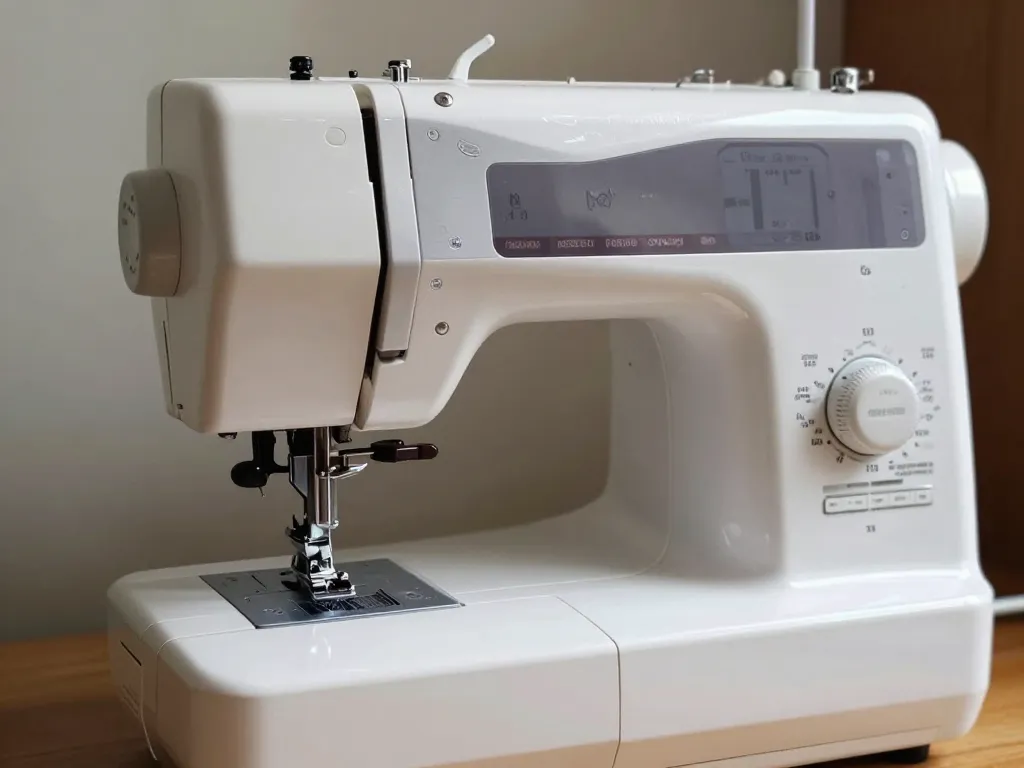
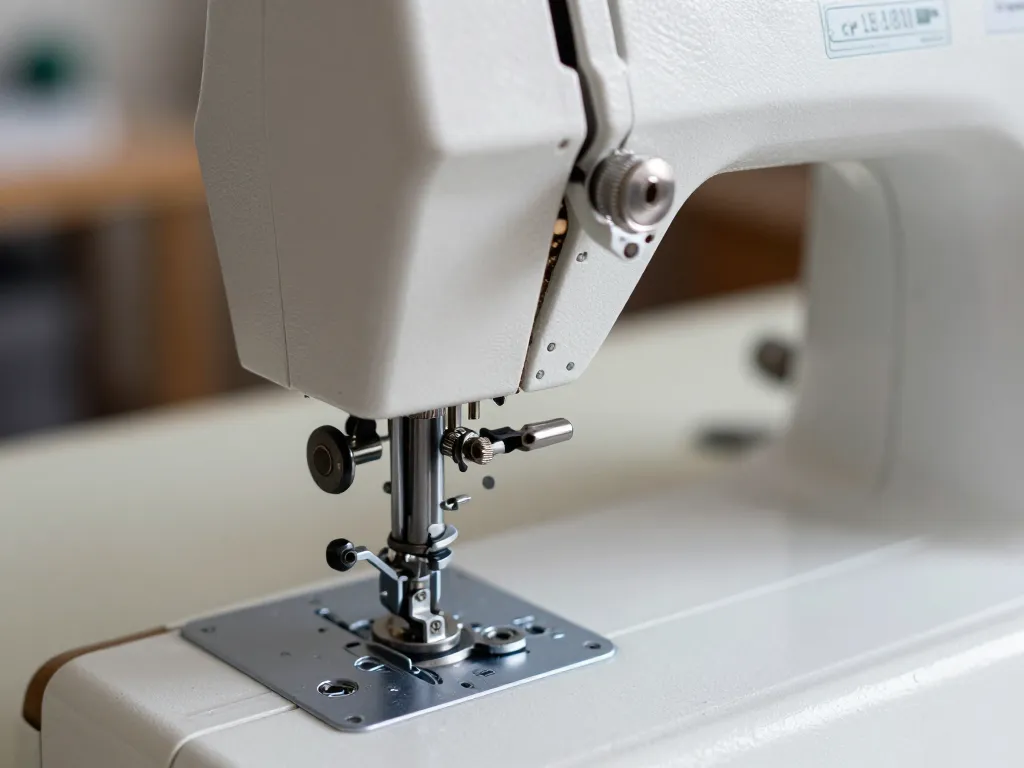
One of the most important things to learn when using a sewing machine is how to thread it correctly. This may seem like a simple task, but it’s crucial to ensure that your machine runs smoothly and efficiently. To thread your machine, start by locating the spool pin and the take-up lever. Then, pull the thread through the machine, following the manufacturer’s instructions. Make sure to keep the thread taut but not too tight, as this can cause tension on the machine.
Sewing Needles and Threads: The Backbone of Your Project
——————————————————–
Sewing needles and threads are the backbone of your project, and selecting the right ones can make all the difference in the quality of your finished product. There are several types of sewing needles, including sharp, blunt, and beading needles. Sharp needles are ideal for general sewing, while blunt needles are better suited for thicker fabrics. Beading needles, on the other hand, are designed for intricate work and are perfect for sewing on buttons or beads.
When it comes to threads, the options are endless. Cotton threads are a popular choice for beginners, as they’re easy to work with and suitable for most projects. Polyester threads, on the other hand, are more durable and resistant to wrinkles. Silk threads are ideal for sewing delicate fabrics, while nylon threads are perfect for outdoor projects.
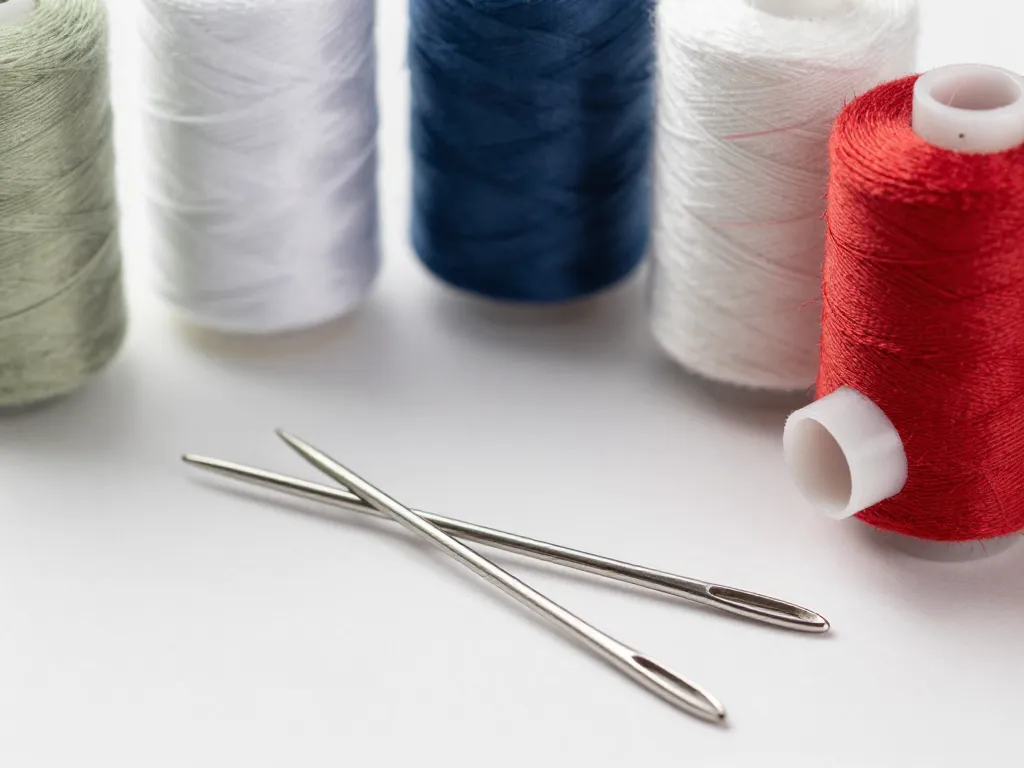
To choose the right thread for your project, consider the type of fabric you’re working with, the level of durability you need, and the color of your fabric. It’s also essential to match the thread to the needle size to ensure smooth sewing.
Scissors: A Sewist’s Best Friend
——————————-
Scissors are a sewist’s best friend, and having a good pair can make a significant difference in the quality of your work. There are several types of scissors available, including dressmaking scissors, embroidery scissors, and craft scissors. Dressmaking scissors are ideal for cutting fabric, while embroidery scissors are perfect for intricate work. Craft scissors, on the other hand, are suitable for general crafting and sewing.
When choosing scissors, consider the type of projects you want to work on, the level of precision you need, and your budget. Look for scissors with sharp blades, comfortable handles, and a smooth action.
To use scissors effectively, always cut away from your body, and use a gentle, rocking motion. Apply gentle pressure, and avoid applying too much pressure, which can cause the blades to slip and cut unevenly.
Measuring and Marking Tools: The Secret to Accurate Sewing
———————————————————
Measuring and marking tools are essential for accurate sewing, and having the right tools can make a significant difference in the quality of your finished product. A tape measure is a must-have for any sewist, as it allows you to take accurate measurements of your body or fabric. A seam gauge, on the other hand, is perfect for measuring seams and hems.
When it comes to marking tools, there are several options available, including fabric markers, chalk, and tracing paper. Fabric markers are ideal for marking patterns and designs, while chalk is perfect for marking straight lines and seams. Tracing paper, on the other hand, is suitable for creating custom patterns and designs.
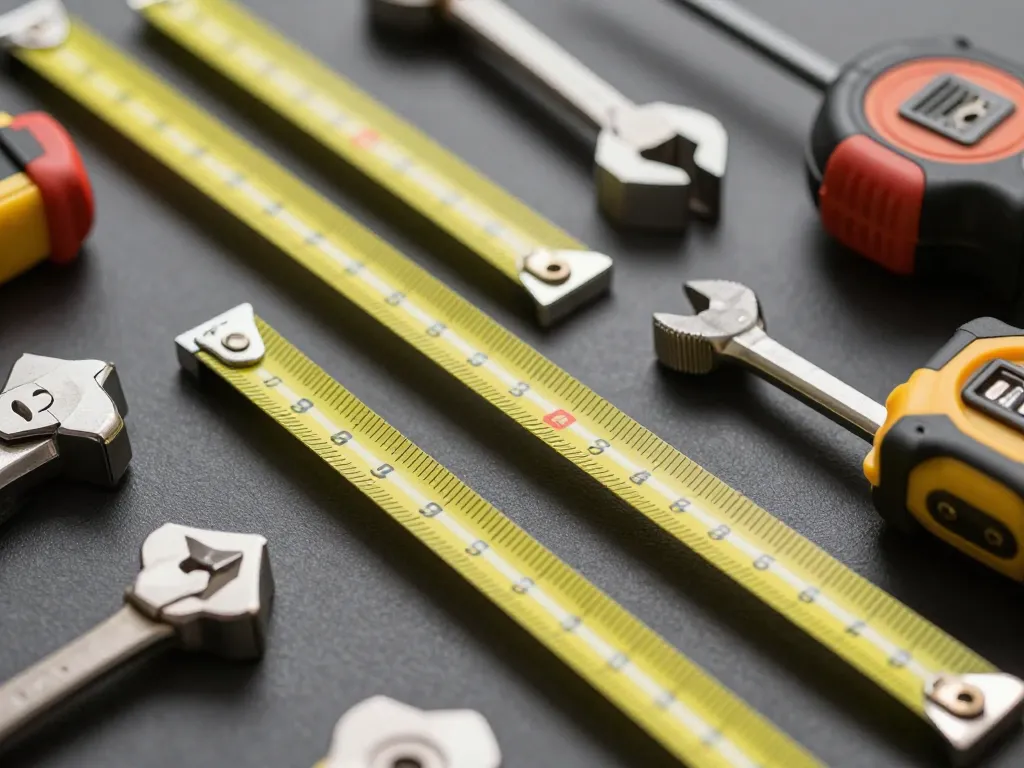
To use measuring and marking tools effectively, always take accurate measurements, and double-check your marks before cutting or sewing. This will ensure that your finished product fits perfectly and looks professional.
Conclusion
———-
Sewing is a skill that requires patience, practice, and the right tools. By investing in the essential sewing basics tools, you’ll be well on your way to creating beautiful garments, home decor, and accessories. Remember to choose the right tools for your projects, and take the time to learn how to use them properly. With practice and patience, you’ll be sewing like a pro in no time.
So, what are you waiting for? Get started on your sewing journey today, and discover the joy of creating something with your own hands. Visit your local craft store, and invest in the essential sewing basics tools. With the right tools and a little practice, you’ll be creating beautiful projects in no time.
0 Comments