Learn to sew sewing patterns. Master the art of sewing patterns with our comprehensive guide, featuring expert tips to help you understand and follow them with ease.
Sewing patterns can be intimidating, especially for beginners. With a multitude of lines, symbols, and instructions, it’s easy to get overwhelmed. However, with the right guidance, you can learn to navigate sewing patterns like a pro. In this article, we’ll take you through the essential steps to understand and follow sewing patterns, ensuring you create beautiful garments with precision and confidence.
Understanding Sewing Patterns: The Basics
A sewing pattern is a template used to cut out fabric pieces for a specific garment. It typically consists of a paper or digital pattern piece with markings, such as lines, dots, and symbols, which guide you through the sewing process. The pattern includes information on fabric requirements, cutting layouts, and sewing instructions. To get started, it’s crucial to understand the basic components of a sewing pattern.
👋 Sounds interesting?
Explore the full offer — you might find exactly what you’ve been looking for.
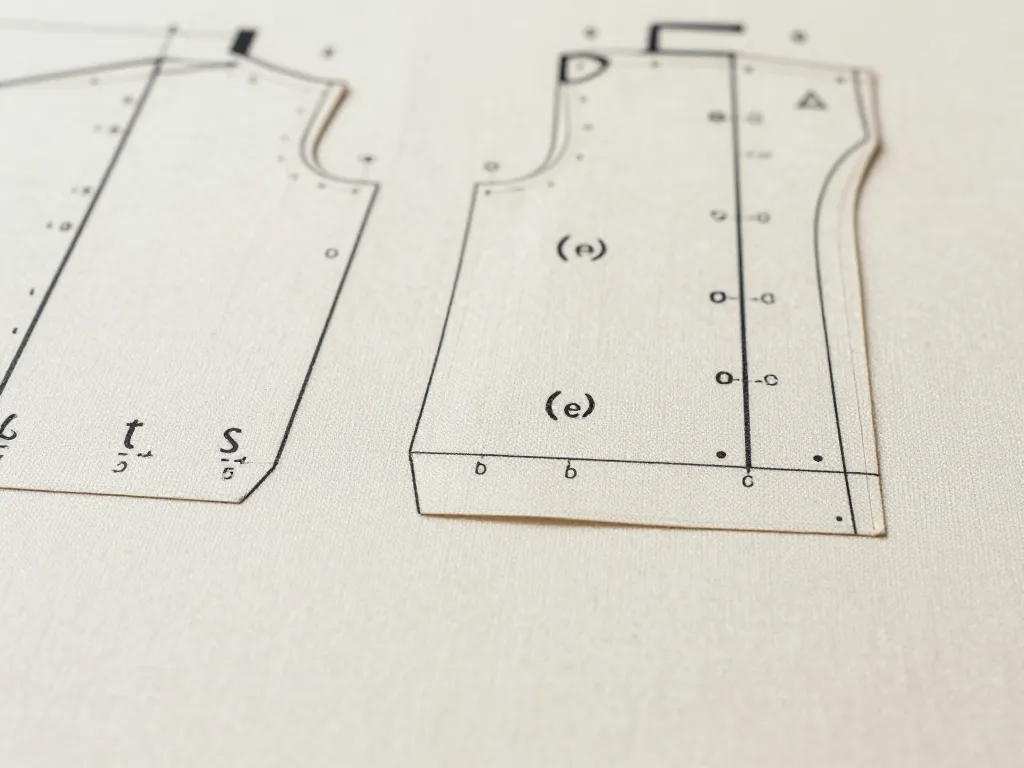
The first step is to familiarize yourself with the pattern symbols and markings. These may include lines indicating grain lines, fold lines, and cutting lines. Grain lines, for instance, show the direction of the fabric’s weave, while fold lines indicate where to fold the fabric for efficient cutting. Cutting lines, on the other hand, mark the edges of the fabric pieces. Understanding these symbols is vital to accurately cutting and sewing your fabric.
Reading Sewing Patterns: Deciphering the Code
Once you’re comfortable with the basic symbols, it’s time to delve deeper into the pattern instructions. Sewing patterns usually include a set of instructions, which may seem like a foreign language at first. However, by breaking down the code, you’ll be able to follow the pattern with ease.
Start by reading the pattern instructions from start to finish. This may seem tedious, but it’s essential to understand the overall construction process. Take note of any specific techniques or specialized tools required. Next, focus on the individual steps, following the pattern’s sequence of events. Pay attention to seam allowances, as these can significantly affect the fit of your garment.
Tips for Following Sewing Patterns
Now that you’ve grasped the basics of reading sewing patterns, it’s time to put your skills into practice. Here are some valuable tips to help you follow sewing patterns with ease:
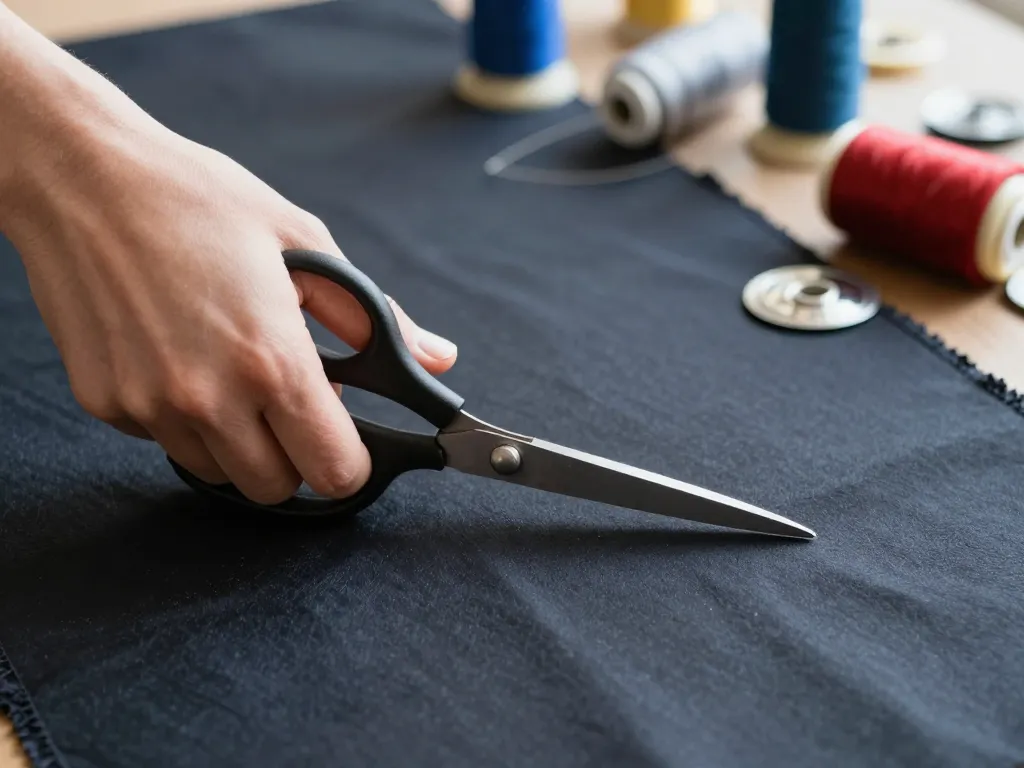
Firstly, always pre-wash and dry your fabric before cutting. This ensures that any shrinkage occurs before you start sewing, preventing unwanted surprises later on. Secondly, use the correct cutting tools, such as scissors or rotary cutters, to ensure accurate cuts. Finally, take your time when sewing, following the pattern’s sequence of events carefully. Don’t be afraid to pause and re-read the instructions if you’re unsure about a particular step.
⭐ Top Pick
This is one of the most recommended options in this category. Check availability before it sells out.
Common Mistakes to Avoid
Even with the best intentions, mistakes can happen. Here are some common errors to watch out for when following sewing patterns:
One of the most common mistakes is inaccurate cutting. This can lead to ill-fitting garments or, worse still, fabric waste. To avoid this, double-check your measurements and cutting lines before cutting your fabric. Another mistake is neglecting to adjust the pattern for your body type. Make sure to take your measurements and adjust the pattern accordingly to ensure a flattering fit.
Sewing Patterns for Beginners: Where to Start
If you’re new to sewing patterns, it’s essential to start with a simple project. Look for patterns labeled “beginner-friendly” or “easy.” These patterns typically feature fewer pieces and simpler constructions. Start with a basic garment, such as a tote bag or a scarf, to build your confidence and skills.
As you gain experience, you can gradually move on to more complex patterns. Remember to always follow the pattern instructions carefully, and don’t be afraid to ask for help if you’re unsure. Online sewing communities and tutorials can be valuable resources for beginners.
Conclusion: Mastering Sewing Patterns
Learning to sew sewing patterns takes time and practice, but with patience and persistence, you can create beautiful garments with ease. By understanding the basics of sewing patterns, reading instructions carefully, and following expert tips, you’ll be well on your way to becoming a skilled sewer. So why not start your sewing journey today? Choose a pattern, grab your fabric and sewing tools, and get ready to unleash your creativity. Happy sewing!
0 Comments