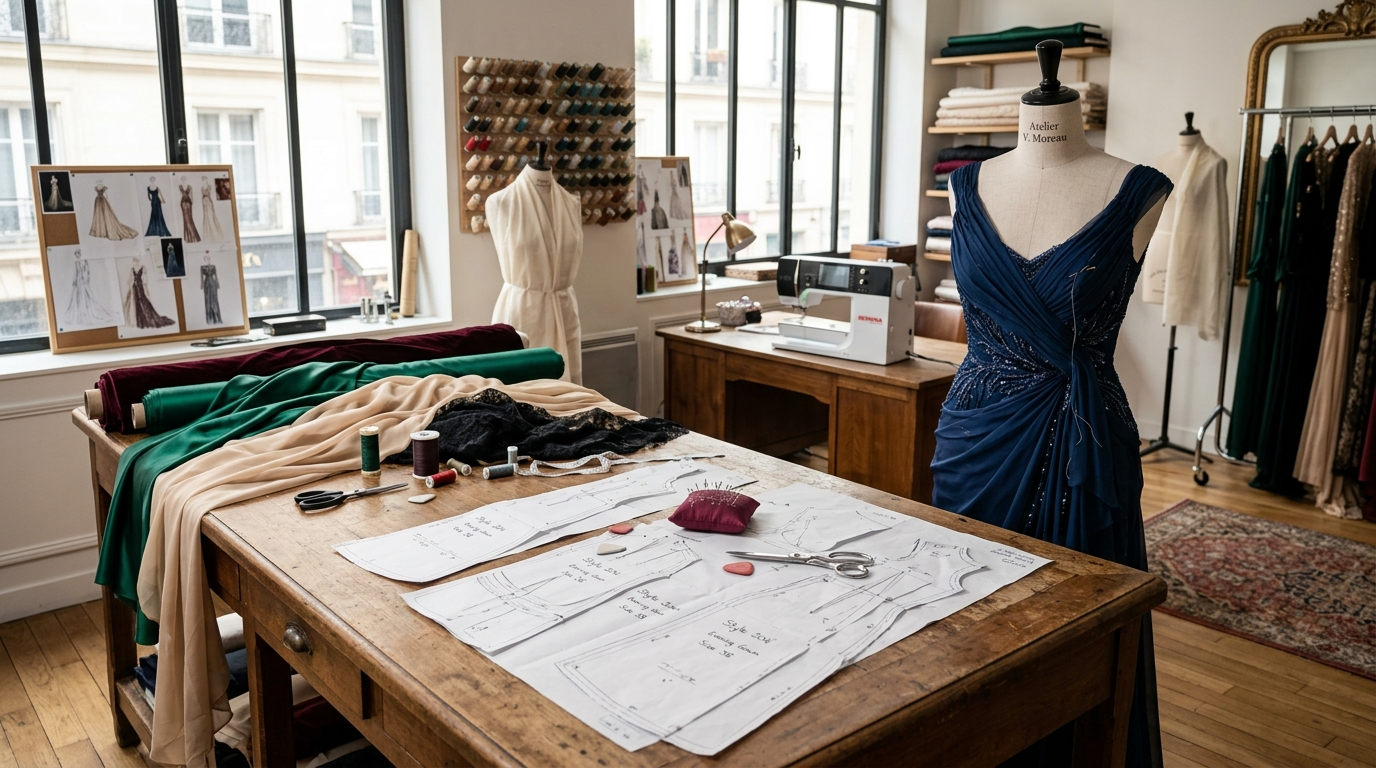
Discover the best evening gown patterns for beginners and advanced sewists. Explore elegant gown styles, sewing tips, fabrics, and DIY evening dress ideas for every occasion in 2026.
Introduction
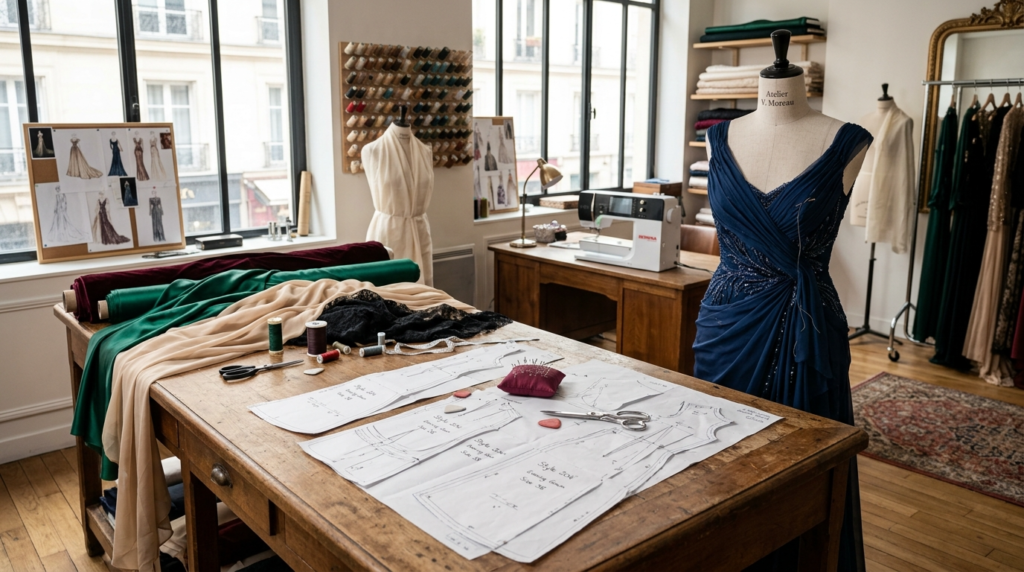
There’s something magical about sewing your own formal dress. One pattern, the right fabric, and suddenly you’re creating a red-carpet-worthy gown from your own sewing room! In fact, more sewists are turning to evening gown patterns because custom-made dresses offer a better fit, unique style, and serious money savings compared to designer gowns.
Whether you dream of sewing a glamorous satin mermaid dress, a timeless A-line gown, or a dramatic backless evening dress, choosing the right pattern makes all the difference. And honestly? The options today are stunning. From beginner-friendly designs to couture-inspired formal wear patterns, there’s truly something for every skill level.
In this guide, we’ll explore the best evening gown patterns, essential fabrics, fitting tips, sewing techniques, and styling inspiration to help you create a beautiful handmade gown with confidence.
What Are Evening Gown Patterns?
Evening gown patterns are specialized sewing templates designed to help sewists create elegant, formal dresses for special occasions. These patterns include detailed instructions, fabric recommendations, sizing guides, and garment pieces that work together to form a complete evening gown. Whether you want a dramatic ball gown, a sleek satin slip dress, or a glamorous mermaid silhouette, evening gown sewing patterns provide the foundation needed to bring your vision to life.
Unlike casual clothing patterns, evening gown patterns focus heavily on structure, drape, fit, and luxurious details. Formal dresses often include advanced design elements such as fitted bodices, flowing skirts, corset construction, lining, boning, invisible zippers, or delicate embellishments. Because of this, choosing the right pattern is one of the most important steps when sewing a stunning formal gown.
For many sewing enthusiasts, making a custom evening dress feels incredibly rewarding. Instead of spending hundreds — sometimes thousands — on designer gowns, sewists can create a personalized dress tailored perfectly to their measurements and style preferences. It’s not just about saving money either. Handmade formal dresses allow complete creative freedom. You can select the exact fabric, silhouette, neckline, sleeve style, and finishing details you love most.
Another major difference between evening gown patterns and regular dress patterns is the level of elegance and sophistication built into the design. Casual dress patterns are often made for comfort and everyday wear, while evening gowns are specifically created for formal occasions where glamour matters. Evening gown sewing patterns typically feature luxurious fabrics like satin, velvet, chiffon, silk, lace, and tulle to create a polished, high-end appearance.
Many evening gown patterns are designed for important life events and celebrations. Weddings are one of the most common occasions for formal dress sewing, especially for bridesmaids, wedding guests, or even bridal gowns themselves. Proms are another popular reason sewists search for evening dress patterns, since custom gowns help students stand out with unique designs that no one else will have. Read also wedding dress sewing patterns.
Formal galas and charity events also inspire sewists to create elegant handmade gowns. These occasions often call for floor-length dresses with sophisticated details and flattering silhouettes. Some people even use evening gown patterns to recreate celebrity-inspired red carpet looks for pageants, fashion events, or luxury parties. The ability to customize every detail makes sewing formal dresses especially exciting for creative individuals.
One of the biggest advantages of sewing your own evening dress is achieving a better fit. Ready-made formal dresses rarely fit perfectly straight off the rack. Alterations can become expensive and time-consuming. With custom sewing, you can adjust the bust, waist, hips, and length throughout the construction process to create a gown that flatters your body beautifully.
Sewing your own evening gown also gives you access to higher-quality materials at a more affordable price point. Many commercially produced gowns use inexpensive fabrics or rushed construction methods. When you sew your own dress, you control the quality of every detail, from the lining to the stitching techniques used throughout the garment.
Even beginners can enjoy sewing formal dresses thanks to modern sewing patterns. Today’s evening gown patterns often include step-by-step instructions, diagrams, and beginner-friendly guidance that simplify complex garment construction. Instead of drafting an entire gown from scratch, sewists can follow structured instructions that break the process into manageable steps.
Patterns also help eliminate much of the guesswork involved in dressmaking. They provide accurate garment shapes, seam allowances, cutting layouts, and assembly instructions that make sewing formal wear more approachable. Some patterns even include multiple style variations, allowing sewists to customize necklines, sleeves, skirt shapes, and decorative details without needing advanced pattern-making skills.
As formal fashion trends continue evolving in 2026, evening gown patterns remain one of the best ways for sewists to create elegant, personalized dresses that combine creativity, craftsmanship, and timeless style. Whether you are sewing for a wedding, prom, gala, or special celebration, the right evening gown sewing pattern can help transform beautiful fabric into a truly unforgettable dress.
Best Types of Evening Gown Patterns for Every Style
Choosing the right evening gown pattern can completely transform the final look of your dress. Some styles are timeless and elegant, while others feel bold, dramatic, and fashion-forward. The best part about sewing your own formal wear is the ability to pick a silhouette that perfectly matches your body shape, comfort level, and personal style.
From glamorous mermaid gowns to romantic ball gowns, these are some of the most popular evening gown patterns sewists love creating in 2026.
Mermaid Evening Gown Patterns
Mermaid evening gown patterns are known for their dramatic and ultra-glamorous silhouette. These gowns are fitted closely through the bust, waist, and hips before flaring out around the knees into a flowing skirt. The result is a striking hourglass shape that instantly creates a red carpet-inspired appearance.
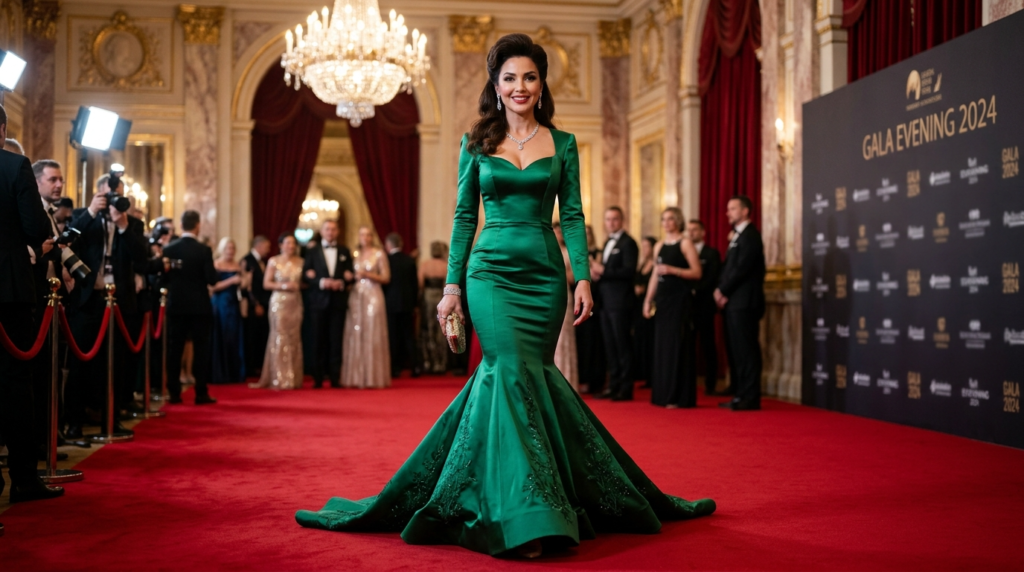
This style is especially popular for galas, luxury weddings, pageants, and black-tie events because it delivers a sophisticated and high-fashion look. Many sewists choose mermaid gown sewing patterns when they want something bold, elegant, and figure-enhancing.
Fabric selection plays a major role in achieving the perfect mermaid silhouette. Structured fabrics like satin, crepe, velvet, stretch mikado, and scuba fabric help maintain the fitted shape while still allowing comfortable movement. Lace overlays and sequined fabrics are also commonly used to add texture and glamour.
Mermaid gowns tend to flatter hourglass and curvy body shapes particularly well because they emphasize natural curves. However, with proper tailoring and strategic design adjustments, almost anyone can wear this silhouette beautifully.
To elevate the final look even further, many sewists pair mermaid evening gowns with:
- Dramatic train details
- Off-shoulder necklines
- Corset bodices
- Beaded embellishments
- Long satin gloves
- Elegant statement jewelry
These details create a luxurious couture-inspired finish that looks incredibly polished and expensive.
A-Line Evening Dress Patterns
A-line evening dress patterns are one of the most versatile and beginner-friendly formal gown styles available. This silhouette features a fitted bodice that gradually widens from the waist down, forming the shape of the letter “A.” The result is elegant, timeless, and universally flattering.
Because A-line gowns provide both structure and comfort, they work beautifully for almost every body type. They gently define the waist without clinging tightly to the hips, making them an excellent option for sewists who want a balanced and graceful silhouette.
Another reason sewists love A-line evening gown patterns is their simplicity. Compared to highly fitted gowns, A-line dresses are easier to construct and often require fewer advanced fitting adjustments. This makes them a fantastic choice for beginners attempting their first formal dress project.
Popular fabrics for A-line evening gowns include:
- Chiffon
- Satin
- Organza
- Tulle
- Silk blends
- Lightweight velvet
These fabrics create soft movement and elegant draping while maintaining the gown’s classic shape.
A-line evening dresses can easily be customized with different necklines, sleeves, and embellishments, allowing sewists to create anything from minimalist gowns to heavily embellished formal dresses.
Ball Gown Sewing Patterns
Few dress styles feel as dramatic and luxurious as a classic ball gown. Ball gown sewing patterns typically feature a structured bodice paired with a voluminous full skirt that creates a regal and princess-inspired silhouette.
These gowns are especially popular for:
- Weddings
- Proms
- Quinceañeras
- Galas
- Formal fashion events
The dramatic fullness of the skirt gives ball gowns their signature elegance. Many designs include layers of tulle, organza, satin, or crinoline underneath to create volume and movement.
Sewing a ball gown can feel intimidating at first, but the results are often breathtaking. One of the biggest challenges is managing the large amount of fabric required for the skirt. Careful cutting, pressing, and layering are essential for achieving a professional finish.
When sewing layered skirts and tulle, it helps to:
- Work slowly with lightweight fabrics
- Use sharp scissors or rotary cutters
- Press layers carefully at low heat
- Gather fabric evenly for balanced fullness
- Use horsehair braid for structured hems
Ball gown patterns are ideal for sewists who love dramatic fashion and want to create a true statement piece.
Slip Dress Evening Gown Patterns
Slip dress evening gown patterns have become increasingly popular thanks to their minimalist, elegant, and modern appearance. Inspired by 1990s fashion trends, these gowns feature clean lines, fluid draping, and lightweight fabrics that create an effortlessly sophisticated look.
Unlike heavily structured gowns, slip dresses focus on simplicity. Most designs include:
- Thin straps
- Bias-cut construction
- Soft draping
- Minimal seams
- Sleek silhouettes
Because of their simpler construction, slip dress sewing patterns are often considered one of the easiest formal gown options for beginners. They require less boning, interfacing, and structural work than traditional evening gowns. Read also on dress sewing patterns guide
Satin and silk remain the most popular fabric choices for slip dresses because they create beautiful fluid movement and a luxurious finish. Charmeuse, lightweight crepe satin, and silk blends also work beautifully for this style.
Slip dresses are perfect for modern weddings, cocktail parties, formal dinners, and minimalist evening events where understated elegance stands out more than dramatic embellishment.
Backless Evening Gown Patterns
Backless evening gown patterns offer a sleek, glamorous, and fashion-forward appearance that instantly feels luxurious. These gowns create visual drama through open-back designs while maintaining elegance and sophistication.
Many sewists are drawn to backless gowns because they create a bold statement without requiring excessive embellishments. Even a simple satin gown can look incredibly high-end when paired with a beautifully designed open back.
However, backless gowns do come with unique sewing challenges. Proper support and construction are essential to ensure the dress stays secure and comfortable during wear.
Common construction considerations include:
- Reinforcing straps and bodices
- Stabilizing the neckline
- Using hidden support structures
- Adding invisible elastic for security
- Creating clean lining finishes
Bra and lining choices also become especially important with backless dresses. Many sewists use:
- Sew-in cups
- Adhesive bras
- Built-in corsetry
- Power mesh lining
- Invisible support tape
These techniques help maintain structure while preserving the elegant open-back appearance.
High Slit Formal Dress Patterns
High slit formal dress patterns are perfect for sewists who love dramatic, red carpet-inspired fashion. These gowns feature thigh-high slits that add movement, confidence, and modern glamour to the overall design.
High slit evening gowns are often seen at celebrity events because they balance sophistication with bold styling. When sewn properly, they create an elegant silhouette while still allowing ease of movement and comfort.
The key to sewing a successful high slit gown is maintaining balance. Too much structure can make movement difficult, while overly lightweight fabrics may not drape properly. Careful placement of the slit is also important for both comfort and wearability.
Some of the best fabrics for high slit evening gowns include:
- Satin
- Stretch crepe
- Silk charmeuse
- Chiffon
- Jersey knit
- Velvet blends
These fabrics create beautiful movement while helping the gown flow naturally as you walk.
Many sewists pair high slit designs with:
- One-shoulder bodices
- Corset tops
- Open backs
- Draped skirts
- Minimalist accessories
The result is a modern formal gown that feels glamorous, stylish, and effortlessly confident.
How to Choose the Right Evening Gown Pattern
Selecting the perfect evening gown pattern is one of the most important steps in creating a beautiful formal dress. The right pattern can make sewing easier, improve the final fit, and help you achieve a polished, professional-looking result.
With so many formal dress sewing patterns available today, understanding what works best for your skill level, body shape, and sewing goals can save time, money, and frustration.
Understanding Sewing Skill Levels
One of the first things to consider when choosing an evening gown pattern is your sewing experience. Most sewing patterns are labeled by skill level to help sewists choose projects that match their abilities.
Beginner Evening Gown Patterns
Beginner-friendly patterns typically feature:
- Simple silhouettes
- Minimal fitting requirements
- Easy construction techniques
- Basic zippers or closures
- Fewer pattern pieces
Slip dresses, simple A-line gowns, and sleeveless satin dresses are excellent beginner formal sewing projects.
Intermediate Evening Gown Patterns
Intermediate patterns may include:
- Princess seams
- Lining construction
- Draping techniques
- More detailed fitting adjustments
- Structured bodices
These patterns help sewists build confidence while learning advanced garment construction skills.
Advanced Evening Gown Patterns
Advanced formal gown patterns often involve:
- Corsetry
- Boning
- Complex draping
- Intricate embellishments
- Couture sewing techniques
- Challenging fabrics like silk or lace
These projects require patience and precision but can produce breathtaking couture-quality gowns.
Choosing Patterns Based on Body Shape
Different gown silhouettes flatter different body shapes. Understanding which styles complement your proportions can help you select a pattern that enhances your natural figure beautifully.
For example:
- Mermaid gowns highlight curves
- A-line gowns flatter nearly all body types
- Empire waist gowns elongate the body
- Ball gowns emphasize the waist
- Slip dresses work well for lean silhouettes
That said, personal style and confidence matter most. Many sewists successfully adapt patterns to suit their preferences regardless of traditional “rules.”
Importance of Sizing and Measurements
Accurate measurements are essential when sewing formal dresses. Unlike casual garments, evening gowns require precise fitting to achieve a polished look.
Always measure:
- Bust
- Waist
- Hips
- Shoulder width
- Torso length
- Desired dress length
Commercial sewing pattern sizes often differ from standard clothing sizes, so never rely solely on ready-to-wear sizing. Instead, choose the pattern size based on your actual measurements.
Many sewists also create a muslin test garment before cutting expensive fabric. This allows fitting adjustments to be made early in the process.
Reading Pattern Envelopes Correctly
Pattern envelopes contain important information that beginners sometimes overlook. Learning how to read them properly can prevent costly mistakes.
Pattern envelopes usually include:
- Recommended fabrics
- Skill level
- Yardage requirements
- Finished garment measurements
- Notions needed
- Design variations
Pay close attention to fabric recommendations because evening gown designs often rely heavily on specific drape and structure characteristics.
PDF vs Printed Sewing Patterns
Modern sewists can choose between digital PDF patterns and traditional printed sewing patterns.
PDF sewing patterns offer:
- Instant download access
- Easy reprinting
- Layered sizing options
- Convenient storage
- Independent designer variety
Printed patterns provide:
- Pre-printed large-format pieces
- No home printing required
- Traditional instruction formats
- Easier cutting for some sewists
Both options work well, so the best choice often comes down to personal preference.
Multi-Size Patterns and Customization Options
Many modern evening gown patterns include multiple sizes within a single pattern. This makes it easier to blend sizes for better fitting adjustments.
For example, sewists may:
- Use one size for the bust
- Another for the waist
- Adjust hip measurements separately
Customization options also allow greater creative freedom. Some patterns include interchangeable:
- Sleeves
- Necklines
- Skirt styles
- Train lengths
- Back designs
These features help sewists create truly personalized evening gowns without needing advanced pattern drafting skills.
Best Fabrics for Evening Gowns
Choosing the right fabric is one of the most important parts of sewing a beautiful evening gown. Even the most stunning gown pattern can look completely different depending on the fabric used. Texture, drape, weight, shine, and structure all influence how the final dress will fit and move.
Formal gowns are designed to look elegant and luxurious, so selecting high-quality fabrics can instantly elevate your finished project. Some fabrics create dramatic volume, while others produce soft flowing silhouettes perfect for modern evening wear.
Understanding the strengths and challenges of each fabric will help you choose the best option for your sewing skill level and desired gown style.
Satin
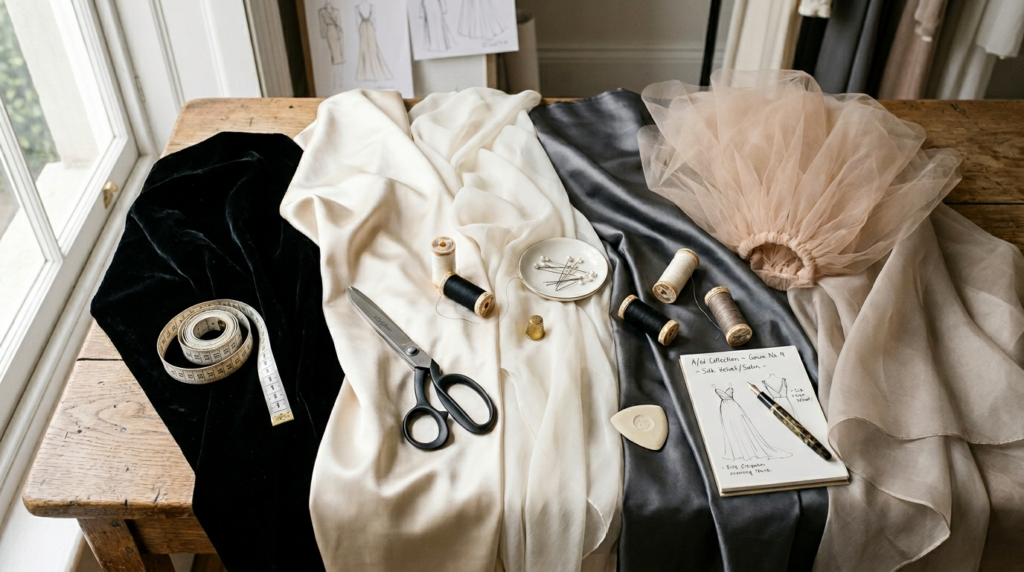
Satin is one of the most iconic fabrics used for evening gowns. Known for its glossy surface and fluid drape, satin instantly creates a glamorous and sophisticated appearance that feels perfect for formal events.
This fabric reflects light beautifully, making it especially popular for:
- Red carpet-inspired gowns
- Slip dresses
- Mermaid silhouettes
- Bridesmaid dresses
- Elegant evening wear
Satin works particularly well for designs that rely on smooth lines and graceful movement. The luxurious sheen gives gowns a polished, expensive-looking finish even when using relatively simple sewing patterns.
However, satin can also be one of the trickiest fabrics to sew. Because it is slippery and delicate, it tends to shift during cutting and stitching. Many beginners struggle with puckering seams or uneven hems when working with satin for the first time.
To make sewing satin easier:
- Use sharp fabric scissors or a rotary cutter
- Pin carefully or use fabric clips
- Sew slowly with fine needles
- Choose polyester or silk thread for smooth stitching
- Press seams gently using low heat
- Place tissue paper underneath while sewing delicate sections
Taking your time with satin is worth the effort. When handled properly, it creates some of the most elegant evening gowns imaginable.
Velvet
Velvet brings richness, texture, and dramatic elegance to formal gowns. Its soft surface and luxurious depth make it especially popular for winter weddings, holiday galas, and evening events held during colder seasons.
Velvet evening gowns often look incredibly expensive because the fabric naturally absorbs and reflects light in a unique way. Deep jewel tones like emerald, burgundy, navy, and black appear especially striking in velvet.
There are two main types of velvet commonly used in evening gown sewing:
Stretch Velvet
Stretch velvet contains spandex or elastane, giving it flexibility and comfort. This type is ideal for:
- Fitted mermaid gowns
- Body-hugging silhouettes
- Comfortable formal dresses
- Beginner-friendly velvet projects
Stretch velvet is generally easier to wear because it moves with the body and allows more flexibility during fitting.
Woven Velvet
Woven velvet has little or no stretch and creates a more structured appearance. It is often used for:
- Couture-inspired gowns
- Structured bodices
- Vintage evening dresses
- Dramatic formal wear
Although woven velvet looks stunning, it can be more difficult to sew because the fabric pile shifts easily and seam lines become highly visible.
When sewing velvet:
- Cut pieces in the same nap direction
- Avoid heavy pressing directly on the pile
- Use a walking foot if possible
- Pin within seam allowances to reduce marks
- Handle carefully to prevent crushing the texture
Velvet instantly adds luxury and sophistication to evening gown sewing projects.
Chiffon
Chiffon is beloved for its soft, lightweight, and airy appearance. This sheer fabric creates beautiful movement and flow, making it ideal for romantic evening gowns and ethereal formal dresses.
Many sewists use chiffon for:
- Flowing skirts
- Overlay layers
- Sleeves
- Cape details
- Soft draping effects
One of chiffon’s biggest strengths is its ability to create graceful movement while still looking delicate and elegant. It works beautifully for outdoor weddings, spring events, and feminine formal styles.
Because chiffon is sheer, layering becomes an important part of construction. Multiple chiffon layers can add depth and dimension without making the gown feel heavy.
Popular layering techniques include:
- Double-layer chiffon skirts
- Satin underlays for contrast
- Soft gathered overlays
- Cascading ruffles
- Draped chiffon panels
Despite its beauty, chiffon can be challenging to sew because it is extremely lightweight and prone to shifting. Fine needles, sharp scissors, and patient handling are essential when working with this fabric.
Rolled hems are especially popular for chiffon evening gowns because they create clean, lightweight finishes that preserve the fabric’s airy quality.
Silk
Silk is considered one of the most luxurious fabrics in formal fashion. For centuries, couture designers have used silk to create elegant evening gowns with unmatched softness, drape, and sophistication.
Silk fabrics come in many forms, including:
- Silk satin
- Silk charmeuse
- Silk chiffon
- Silk organza
- Silk dupioni
Each type creates a different effect, allowing sewists to achieve everything from structured gowns to fluid minimalist dresses.
Silk is especially prized because it:
- Drapes beautifully
- Feels luxurious against the skin
- Reflects light elegantly
- Creates couture-quality finishes
- Looks timeless and refined
However, silk requires delicate handling throughout the sewing process. The fabric can fray easily, show pin marks, and shift while sewing.
To handle silk successfully:
- Use ultra-sharp needles
- Test stitches on scraps first
- Avoid excessive pinning
- Cut fabric carefully on stable surfaces
- Finish seams properly to prevent fraying
- Press using low heat settings
Although silk may feel intimidating at first, many sewists find it incredibly rewarding to work with once they gain experience.
Tulle and Organza
Tulle and organza are essential fabrics for creating dramatic volume and statement-making evening gowns. These lightweight fabrics are commonly used in ball gowns, layered skirts, bridal-inspired designs, and couture formal dresses.
Tulle
Tulle is a fine netting fabric that creates fullness without adding excessive weight. It is often used for:
- Ball gown skirts
- Petticoats
- Overskirts
- Veils
- Decorative ruffles
Layered tulle creates the signature princess-style silhouette seen in many dramatic formal gowns.
Organza
Organza is slightly stiffer and more structured than tulle. It adds crispness and shape while still maintaining a lightweight appearance. Organza is often used for:
- Structured overlays
- Puff sleeves
- Layered skirts
- Decorative accents
- Couture-inspired designs
Both fabrics work beautifully for adding dimension and elegance to formal dresses. However, they can be slightly difficult to manage because of their lightweight texture and tendency to fray.
Many sewists combine tulle or organza with satin, silk, or chiffon to create balanced gowns with both structure and softness.
Essential Tools and Supplies for Sewing Evening Gowns
Creating a formal gown requires more than just beautiful fabric and a sewing pattern. The right sewing tools and supplies can dramatically improve accuracy, fit, and overall garment quality.
Because evening gowns often involve delicate fabrics and detailed construction techniques, investing in quality tools helps make the sewing process smoother and more enjoyable.
Sewing Machine Recommendations
A reliable sewing machine is essential for formal dressmaking. While basic machines can handle simple gowns, more advanced features become useful when working with delicate or layered fabrics.
Helpful features include:
- Adjustable stitch settings
- Variable speed control
- Zipper foot attachments
- Walking foot compatibility
- Stretch stitch options
- Strong feed dogs for slippery fabrics
Many sewists also use sergers to create clean seam finishes on lightweight fabrics.
Best Needles for Formal Fabrics
Using the correct sewing needle can prevent skipped stitches, fabric damage, and puckering.
Common needle choices include:
- Microtex needles for satin and silk
- Ballpoint needles for stretch velvet
- Universal needles for woven fabrics
- Fine sharp needles for chiffon and organza
Changing needles frequently is especially important when sewing delicate evening gown fabrics.
Importance of Dress Forms
Dress forms help sewists visualize fit and make adjustments more accurately during construction.
A dress form is especially useful for:
- Hemming long gowns
- Draping fabric
- Checking silhouette balance
- Adjusting waistlines
- Visualizing embellishment placement
Adjustable dress forms are particularly helpful for custom-fitting evening gowns.
Invisible Zippers and Closures
Invisible zippers are commonly used in formal dresses because they create a clean, polished appearance without distracting from the gown design.
Other closure options include:
- Corset backs
- Covered buttons
- Hook-and-eye closures
- Lace-up details
Using the correct zipper foot attachment helps create professional-looking invisible zipper installations.
Interfacing and Lining Materials
Interfacing provides structure and stability to gown components such as bodices, waistbands, and necklines.
Lining materials improve:
- Comfort
- Opacity
- Durability
- Garment movement
Popular lining fabrics include lightweight satin, polyester lining, silk lining, and power mesh for support.
Hemming Tools for Formal Dresses
Long evening gowns often require careful hemming to achieve elegant movement and proper length.
Useful hemming tools include:
- Horsehair braid
- Hem gauges
- Blind hem feet
- Rolled hem attachments
These tools help create clean, professional finishes on formal garments.
Fabric Scissors and Rotary Cutters
Sharp cutting tools are essential for accurate fabric handling. Dull scissors can damage delicate fabrics and create uneven edges.
Many sewists use:
- Dressmaker shears
- Rotary cutters
- Self-healing cutting mats
- Embroidery scissors for detail work
Precision cutting greatly improves overall garment quality.
Pressing Tools for Professional Finishes
Pressing is one of the secrets to achieving couture-quality results. Proper pressing shapes seams, smooths fabric, and creates a polished appearance.
Helpful pressing tools include:
- Steam irons
- Tailor’s hams
- Pressing cloths
- Sleeve boards
- Seam rollers
Careful pressing throughout construction can make even beginner sewing projects look far more professional.
Beginner Tips for Sewing Evening Gown Patterns
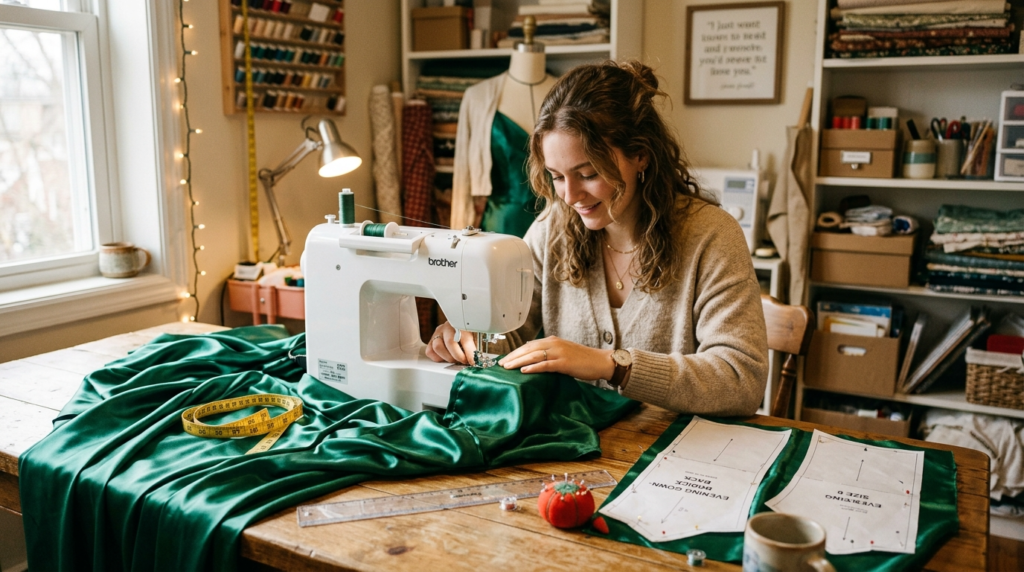
Sewing an evening gown for the first time can feel intimidating, especially when working with delicate fabrics and formal silhouettes. Fortunately, beginners can achieve beautiful results by starting with manageable projects and practicing good sewing habits.
Patience, preparation, and attention to detail make a huge difference in formal dressmaking.
Start With Simple Silhouettes
Beginners should avoid overly complicated gowns with heavy corsetry or advanced draping techniques right away.
Simple styles like:
- Slip dresses
- Basic A-line gowns
- Empire waist dresses
- Minimalist satin gowns
are much easier to sew while still looking elegant and sophisticated.
Starting simple helps build confidence and sewing skills gradually.
Make a Muslin Before Cutting Expensive Fabric
Creating a test garment, also called a muslin, is one of the smartest steps in evening gown sewing.
A muslin allows you to:
- Check fit accuracy
- Adjust sizing
- Test construction techniques
- Prevent mistakes on expensive fabric
This extra step can save significant frustration and fabric waste later.
Practice Sewing Slippery Fabrics First
Delicate fabrics like satin, silk, and chiffon behave very differently from cotton or beginner fabrics.
Practicing on scrap fabric helps beginners learn:
- Fabric control
- Proper tension settings
- Seam finishing techniques
- Hemming methods
This preparation builds confidence before starting the final gown.
Importance of Accurate Measurements
Even small measurement errors can dramatically affect the fit of an evening gown.
Always measure carefully and recheck:
- Bust
- Waist
- Hips
- Shoulder width
- Dress length
Using accurate measurements ensures better fitting results and reduces alteration problems later.
How to Avoid Common Fitting Mistakes
Many beginner fitting problems come from rushing the sewing process.
To improve fit:
- Baste seams before permanent stitching
- Try the gown on frequently
- Adjust gradually
- Follow finished garment measurements
- Don’t rely solely on ready-to-wear sizing
Small adjustments throughout construction create much better final results.
Taking Your Time With Hems and Finishing
Formal gowns require careful finishing to look polished and elegant. Rushed hems or uneven stitching can make even beautiful dresses appear unfinished.
Take extra time when:
- Hemming skirts
- Installing zippers
- Finishing seams
- Pressing details
- Attaching lining
Professional-looking finishes often come from patience rather than advanced sewing skill.
Pressing Seams for a Polished Look
One of the biggest differences between homemade-looking garments and professional-quality gowns is pressing.
Pressing seams after each step:
- Improves garment shape
- Smooths fabric
- Reduces bulk
- Creates cleaner construction
Even simple evening gowns look significantly more polished when pressed carefully throughout the sewing process.
Common Challenges When Sewing Formal Dresses
Even experienced sewists can face difficulties when working with evening gown patterns and formal dress sewing projects. Luxury fabrics, fitted silhouettes, and intricate construction details often require extra patience and precision. Fortunately, most problems can be solved with proper preparation and sewing techniques.
Understanding the most common challenges in evening gown sewing can help you avoid frustration and create a polished, professional-looking formal gown.
Fitting Issues
Fit is one of the biggest challenges when sewing evening gown patterns. Unlike casual clothing, formal dresses usually require a close, flattering fit that highlights the body beautifully while still remaining comfortable to wear.
Many sewists need to adjust the bust, waist, and hip areas to achieve a custom fit. Commercial evening dress patterns are designed using standard sizing, but real body proportions vary significantly from person to person.
Common fitting adjustments include:
- Taking in or releasing side seams
- Adjusting waist placement
- Reshaping hip curves
- Modifying bodice length
- Altering neckline depth
Full bust adjustments are especially important for fitted formal gowns. Without proper bust adjustments, the bodice may pull, wrinkle, or fit too tightly across the chest. A full bust adjustment adds extra room while maintaining the intended waist and shoulder sizing of the evening gown sewing pattern.
Lengthening and shortening pattern pieces is another common modification. Tall sewists may need to add length to the torso or skirt, while petite sewists often shorten gown sections for better balance and proportion.
Creating a muslin test garment before cutting expensive fabric remains one of the best ways to identify fitting issues early.
Sewing Delicate Fabrics
Many evening gown patterns use delicate fabrics such as satin, silk, chiffon, velvet, or organza. While these fabrics look luxurious, they can also be difficult to control during sewing.
One of the most common problems is fabric puckering. Puckering often happens when tension settings are incorrect, needles are dull, or stitches are too tight for lightweight fabric.
Stretching can also become an issue, especially when sewing chiffon, stretch velvet, or bias-cut satin gowns. Delicate fabrics may warp or lose shape if handled too aggressively.
To prevent puckering and stretching:
- Use sharp fine needles
- Sew slowly and evenly
- Avoid pulling fabric while stitching
- Stabilize lightweight fabrics when necessary
- Test stitch settings on scrap fabric first
Choosing the correct thread also makes a major difference. Polyester thread works well for most formal dress fabrics because it provides strength and flexibility. Fine silk thread is another excellent option for luxury evening gown sewing projects.
Microtex needles are highly recommended for satin and silk evening gowns because they create precise stitches without damaging delicate fibers.
Invisible Zipper Installation
Invisible zippers are commonly used in evening gown patterns because they create a clean and elegant finish. However, zipper installation can feel intimidating for beginners.
One of the biggest mistakes sewists make is rushing the zipper insertion process. Uneven stitching or poorly aligned seams can ruin the polished appearance of a formal dress.
For best results:
- Press the zipper coils gently before sewing
- Use an invisible zipper foot
- Baste the zipper placement first
- Sew slowly near delicate fabrics
- Match waist seams carefully
- Test the zipper before final stitching
Another common problem is fabric bunching near the zipper area. Lightweight fabrics like satin or chiffon may shift during installation if not stabilized properly.
Adding lightweight interfacing around zipper openings can help support the fabric and create smoother results.
Taking extra time with zipper installation greatly improves the overall appearance of handmade formal gowns.
Hemming Long Gowns
Hemming is one of the final steps when sewing evening gown patterns, but it can also be one of the most time-consuming. Long formal dresses require careful hemming to maintain graceful movement and balanced proportions.
Different fabrics require different hemming techniques. Structured gowns often benefit from horsehair braid, which adds subtle stiffness and shape to the hemline. Horsehair braid is especially popular in:
- Ball gowns
- Mermaid dresses
- Overskirts
- Dramatic formal silhouettes
This technique helps skirts hold their shape while creating elegant movement during walking.
For lightweight fabrics like chiffon, rolled hems are usually the preferred option. Rolled hems create delicate, barely visible finishes that preserve the soft flow of the fabric.
Many sewists use rolled hem presser feet to make chiffon hemming easier and more consistent.
Before hemming any evening gown, it’s important to let the dress hang for at least 24 hours. Bias-cut skirts and lightweight fabrics can stretch naturally over time, and hemming too early may result in uneven lengths later.
Careful hemming is one of the final details that separates amateur-looking dresses from professional-quality evening gowns.
Trending Evening Gown Pattern Styles in 2026
Fashion trends continue evolving, and evening gown patterns in 2026 are blending timeless elegance with modern design elements. Today’s sewists are embracing both minimalist sophistication and dramatic couture-inspired details to create stunning formal dresses that feel fresh, stylish, and highly personalized.
Whether you love classic glamour or fashion-forward silhouettes, these trending evening gown sewing styles are dominating formal fashion this year.
Minimalist Satin Gowns
Minimalist satin evening gown patterns remain one of the strongest trends in 2026. These gowns focus on clean lines, elegant draping, and understated luxury rather than heavy embellishment.
Simple slip dresses, bias-cut satin gowns, and sleek column silhouettes are especially popular for modern weddings and formal events.
Corset-Inspired Bodices
Corset bodices continue to influence formal gown sewing patterns thanks to their flattering structure and romantic appearance.
Modern corset evening gowns often include:
- Visible boning
- Structured cups
- Lace-up backs
- Draped satin overlays
- Sheer illusion panels
These details create a couture-inspired look while enhancing waist definition beautifully.
Detachable Sleeves and Overskirts
Versatile evening gown patterns with removable design elements are becoming increasingly fashionable. Detachable sleeves, capes, trains, and overskirts allow sewists to create multiple looks within one dress.
This trend is especially popular for:
- Weddings
- Red carpet-inspired gowns
- Fashion-forward evening wear
- Dramatic event styling
Vintage Hollywood-Inspired Gowns
Old Hollywood glamour remains a timeless source of inspiration for formal dress sewing.
Popular vintage-inspired elements include:
- Bias-cut satin
- Floor-length gloves
- Dramatic draping
- Cowl necklines
- Figure-hugging silhouettes
These evening gown patterns create sophisticated, elegant looks inspired by classic film stars.
Dramatic Puff Sleeves
Statement sleeves continue trending in evening wear. Puff sleeves add drama, romance, and visual balance to formal gowns.
Designers are incorporating:
- Organza puff sleeves
- Off-shoulder balloon sleeves
- Structured tulle sleeves
- Voluminous bishop sleeves
These details instantly make formal dresses feel more modern and fashion-forward.
Cut-Out Formal Dresses
Strategic cut-outs are becoming increasingly common in modern evening gown sewing patterns. Waist cut-outs, open backs, and asymmetrical designs add boldness while still maintaining elegance.
Balanced placement is important to keep the overall look sophisticated rather than overly revealing.
Sustainable and Eco-Friendly Sewing Trends
Many sewists are prioritizing sustainability when creating evening gowns in 2026.
Popular eco-friendly sewing practices include:
- Using deadstock fabric
- Repurposing vintage textiles
- Choosing natural fibers
- Sewing timeless designs instead of fast fashion
- Upcycling older gowns into new creations
Handmade formal dresses naturally align with slow fashion values because they encourage thoughtful garment creation and long-term wear.
Cottagecore and Romantic Evening Dresses
Soft romantic evening gown patterns inspired by cottagecore fashion are also trending strongly.
Common details include:
- Floral embroidery
- Soft puff sleeves
- Lace trim
- Flowing chiffon skirts
- Delicate pastel fabrics
These dreamy gowns combine femininity with vintage-inspired elegance.
Where to Find the Best Evening Gown Patterns
Finding high-quality evening gown patterns is easier than ever thanks to the growing sewing community and online pattern marketplaces. Whether you prefer classic commercial brands or trendy independent designers, there are endless options available for every skill level and personal style.
Independent Pattern Designers
Independent sewing pattern designers often create unique and fashion-forward evening gown sewing patterns that differ from traditional commercial styles.
Many indie designers focus on:
- Modern silhouettes
- Inclusive sizing
- Detailed tutorials
- Trend-driven designs
- Customization flexibility
These patterns are especially popular among sewists looking for fresh and contemporary formal dress styles.
Commercial Sewing Pattern Brands
Traditional sewing companies continue offering reliable evening dress patterns for all skill levels.
Commercial patterns typically include:
- Detailed instructions
- Multiple design variations
- Standardized sizing
- Widely available formats
These patterns are excellent for beginners learning formal dress construction techniques.
PDF Sewing Pattern Marketplaces
Digital PDF evening gown patterns have become extremely popular because they offer instant access and convenient home printing.
Benefits of PDF patterns include:
- Immediate download access
- Reprintable pattern pieces
- Layered sizing options
- Easy digital storage
- Access to international designers
Many sewists appreciate the flexibility and convenience of downloadable formal dress patterns.
Vintage Sewing Patterns
Vintage evening gown patterns remain highly sought after for their timeless silhouettes and elegant detailing.
Popular vintage styles include:
- 1950s ball gowns
- 1930s bias-cut dresses
- Old Hollywood-inspired gowns
- Retro cocktail dresses
Vintage sewing patterns often provide unique designs not commonly found in modern collections.
Etsy Formal Dress Pattern Shops
Etsy has become a major source for independent evening gown sewing patterns.
Many Etsy sellers offer:
- Printable PDF patterns
- Handmade couture designs
- Custom sizing options
- Vintage reproductions
- Beginner-friendly formal dress tutorials
Reading reviews and checking sample photos can help identify high-quality pattern shops.
Beginner-Friendly Sewing Resources
Many online sewing platforms now provide beginner-friendly resources specifically for formal dressmaking.
Helpful learning resources include:
- Step-by-step tutorials
- Video sewing guides
- Pattern walkthroughs
- Fabric selection advice
- Fit adjustment lessons
These resources make evening gown sewing patterns far more approachable for newer sewists.
YouTube Tutorials for Evening Gowns
YouTube has become one of the best free resources for learning formal dress sewing techniques.
Many creators demonstrate:
- Invisible zipper installation
- Corset construction
- Satin sewing techniques
- Hemming methods
- Pattern adjustments
Watching experienced sewists build evening gowns step by step can dramatically improve confidence and sewing skills.
How to Customize Evening Gown Patterns
One of the biggest advantages of using evening gown patterns is the ability to customize every detail. Even simple sewing patterns can be transformed into completely unique dresses with a few creative modifications.
Customization allows sewists to create gowns that reflect personal style while improving fit and functionality.
Adding Sleeves to Sleeveless Dresses
Many sewists modify sleeveless evening gown patterns by adding sleeves for extra elegance or coverage.
Popular sleeve options include:
- Puff sleeves
- Long fitted sleeves
- Sheer illusion sleeves
- Off-shoulder sleeves
- Detachable sleeves
Sleeves can dramatically change the overall mood and style of a formal gown.
Changing Neckline Styles
Adjusting the neckline is another simple way to personalize an evening dress pattern.
Common neckline modifications include:
- Sweetheart necklines
- V-necks
- Halter styles
- Cowl necks
- Off-shoulder designs
Different necklines can create more dramatic, romantic, or modern appearances depending on the overall gown design.
Modifying Skirt Fullness
Changing skirt volume helps sewists adapt evening gown patterns for different occasions and personal preferences.
For example:
- Adding layers creates dramatic ball gown fullness
- Reducing gathers creates sleek minimalist silhouettes
- Adding trains increases formal elegance
- Slits improve movement and modern styling
Even small adjustments can completely transform the final gown.
Adding Embellishments
Decorative embellishments help elevate simple evening gown sewing patterns into couture-inspired creations.
Popular embellishment techniques include:
Beading
Hand-sewn beads create sparkle and luxury, especially around bodices and necklines.
Lace Appliqué
Lace appliqué adds romantic texture and elegant detailing to formal gowns.
Sequins
Sequins provide glamour and dramatic shine for evening events and red carpet-inspired dresses.
Carefully placed embellishments can make handmade gowns look professionally designed.
Mixing Pattern Elements Creatively
Experienced sewists often combine elements from multiple evening gown patterns to create custom designs.
For example:
- Pairing one bodice with a different skirt
- Combining sleeve variations
- Modifying train lengths
- Mixing modern and vintage details
Creative pattern mixing allows nearly endless design possibilities.
Turning Simple Patterns Into Couture-Inspired Gowns
Even beginner-friendly evening gown sewing patterns can look luxurious with the right styling and finishing techniques.
Details that create a couture-inspired appearance include:
- High-quality fabric
- Structured lining
- Precise fitting
- Hand-finished hems
- Elegant embellishments
- Careful pressing
Professional-looking results often come from attention to detail rather than overly complicated construction.
Styling and Accessorizing Your Handmade Evening Gown
The right accessories can elevate a handmade evening gown from beautiful to unforgettable. Styling helps complete the overall look while highlighting the elegance of your custom formal dress.
Whether your gown is minimalist or dramatic, thoughtful accessories create balance and sophistication.
Choosing the Right Shoes
Shoes should complement both the gown style and event formality.
Popular choices include:
- Satin heels
- Metallic sandals
- Elegant pumps
- Minimalist strappy heels
- Embellished formal shoes
Comfort also matters, especially for long events involving standing or dancing.
Jewelry Pairing Ideas
Jewelry should enhance the gown without overwhelming it.
For example:
- Statement earrings pair well with simple necklines
- Delicate necklaces suit minimalist gowns
- Bracelets complement sleeveless dresses
- Pearl jewelry creates timeless elegance
Balancing accessories helps maintain a polished appearance.
Elegant Hairstyles for Formal Dresses
Hairstyles can dramatically influence the overall aesthetic of an evening look.
Popular formal hairstyle choices include:
- Soft Hollywood waves
- Sleek buns
- Romantic updos
- Braided styles
- Low chignons
Many sewists coordinate hairstyles with neckline and back details for visual harmony.
Clutch and Handbag Suggestions
Small formal handbags complete evening styling while remaining practical.
Popular options include:
- Satin clutches
- Metallic handbags
- Beaded evening bags
- Minimalist structured clutches
Neutral tones often pair best with statement gowns.
Shawls and Wraps for Evening Events
Elegant shawls and wraps provide both warmth and sophistication.
Common choices include:
- Silk shawls
- Faux fur wraps
- Chiffon scarves
- Velvet evening capes
These accessories work especially well for winter galas and outdoor formal events.
Makeup Inspiration for Glamorous Looks
Makeup styling helps complete the final formal appearance.
Classic evening makeup ideas include:
- Soft glam looks
- Bold red lips
- Smokey eyes
- Dewy skin finishes
- Minimalist natural makeup
Matching makeup intensity to the gown style creates a balanced and cohesive overall look.
Conclusion
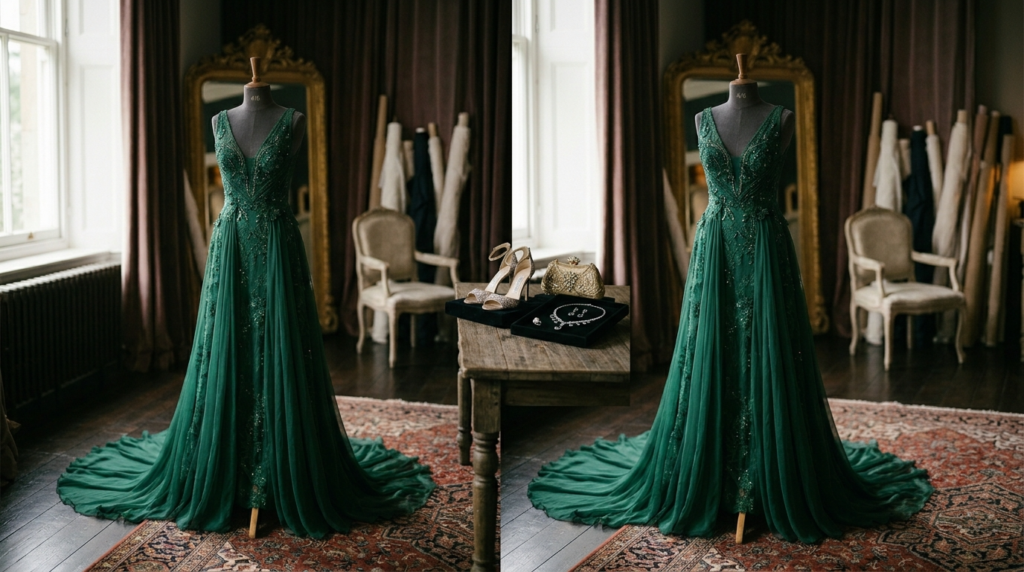
Sewing your own evening gown is more than just a creative project — it’s a chance to design something truly personal and unforgettable. With the right evening gown patterns, quality fabrics, and a little patience, you can create stunning formal dresses that look luxurious and fit beautifully.
Whether you’re a beginner exploring simple satin slip dresses or an advanced sewist ready for couture-inspired ball gowns, there’s an evening gown sewing pattern that matches your style and skill level.
Experiment with silhouettes, play with elegant fabrics, and don’t be afraid to customize patterns to create a one-of-a-kind masterpiece.
Ready to start sewing your dream dress? Save this guide, explore new formal gown patterns, and begin your next glamorous sewing project today!
0 Comments