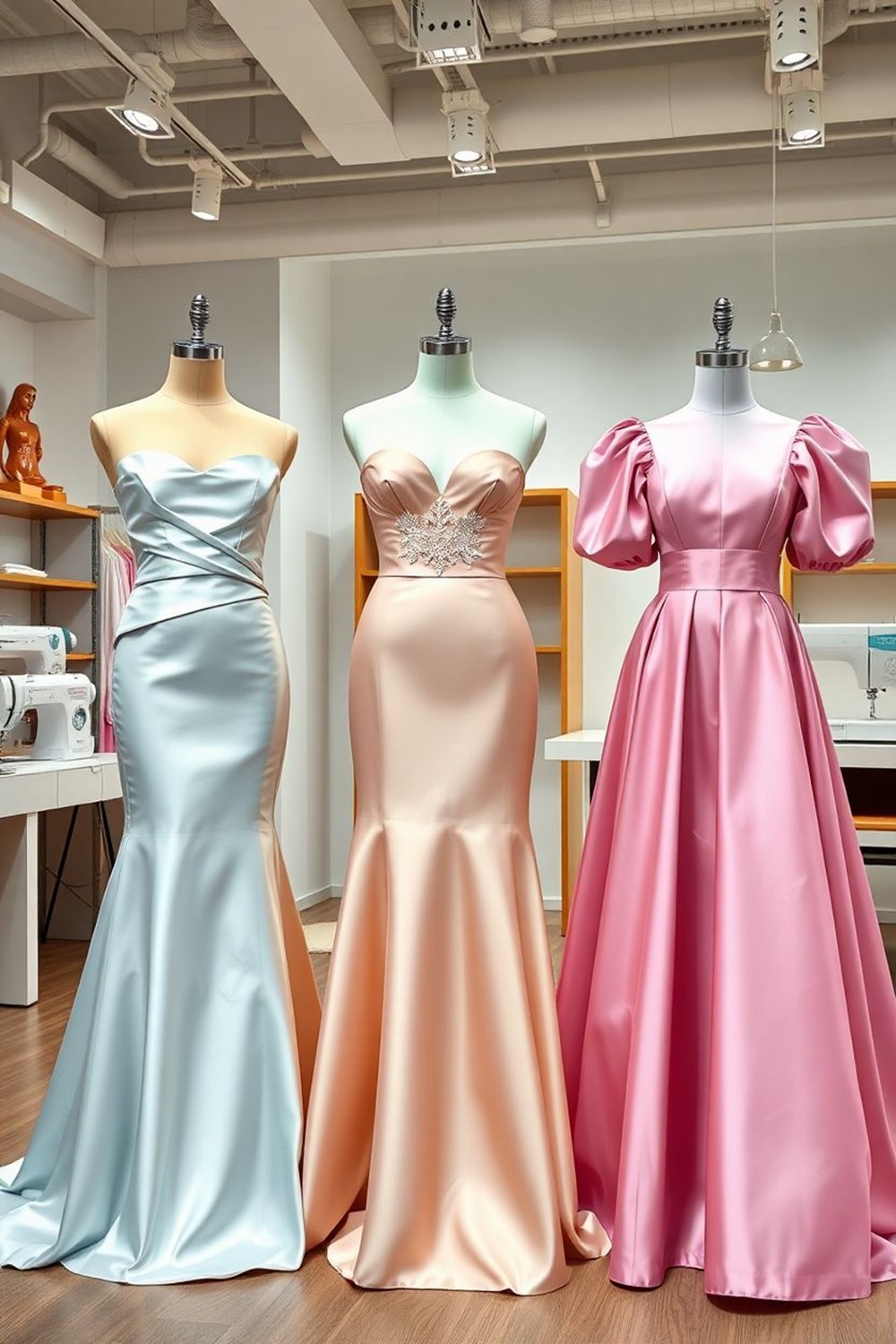
Discover 10 stunning formal dress sewing patterns that fit this season’s top trends! Learn how to choose the perfect pattern for your next project.
Introduction
Formal dress sewing patterns are making a huge comeback as more people look for unique, affordable, and personalized outfits for special occasions. Instead of spending hundreds of dollars on store-bought gowns, many sewists are discovering that creating their own formal dresses offers more creative freedom, better fit, and a truly one-of-a-kind result. From elegant evening gowns to trendy prom dresses and chic graduation outfits, sewing your own dress allows you to customize every detail to match your personal style.
One of the biggest benefits of using formal dress sewing patterns is the ability to achieve a designer-inspired look without the designer price tag. Whether you are a beginner trying your first simple gown pattern or an experienced sewist ready to tackle a dramatic evening gown, the right pattern can make the process much easier. Well-designed patterns guide you through fabric selection, construction techniques, and fitting adjustments, helping you create polished garments that look professionally made.
This season, formal fashion trends are all about elegance with modern details. Satin prom dress patterns, corset-style bodices, minimalist slip gowns, puff sleeves, and high-slit evening dresses are especially popular in the United States. Grad dress patterns are also leaning toward soft feminine silhouettes, comfortable fits, and versatile styles that can be worn beyond graduation day. At the same time, classic evening gown patterns continue to evolve with luxurious fabrics like velvet, chiffon, and sequined materials that add glamour to any formal event.
In this formal dress sewing patterns article, you’ll discover 10 stunning formal dress sewing patterns that are stylish, wearable, and perfect for this season’s biggest trends. From beginner-friendly prom patterns to sophisticated evening gown designs, these ideas will help you find inspiration for your next sewing project while improving your dressmaking skills along the way.
The Importance of Choosing the Right Pattern
Choosing the right formal dress sewing patterns can make the difference between a stressful sewing experience and a beautiful finished gown you’re proud to wear. While fabric and sewing skills are important, the pattern itself acts as the foundation of the entire project. A well-chosen pattern helps ensure better fit, smoother construction, and more professional-looking results, especially when working on special occasion dresses like prom gowns, graduation outfits, or elegant evening wear.
Why Pattern Selection Matters
Fit Accuracy and Body Confidence
One of the biggest advantages of selecting the right sewing pattern is achieving a flattering fit. Formal dresses are designed to highlight the body, so even small fitting issues can become noticeable. Patterns that match your measurements and body shape help create a polished silhouette while improving comfort and confidence. Features like princess seams, adjustable waistlines, and cup sizing can make a major difference in how the finished dress looks and feels.
Many modern formal dress sewing patterns now include multiple fit options and detailed adjustment instructions, making it easier for sewists to customize garments for petite, tall, curvy, or straight body types.
Fabric Compatibility
Not every dress pattern works well with every fabric. Some evening gown patterns are specifically designed for lightweight materials like chiffon or satin, while others require structured fabrics such as velvet, crepe, or taffeta. Choosing the wrong fabric can affect drape, movement, and overall appearance.
For example:
- Slip dress patterns work best with fluid fabrics like satin or silk blends.
- Corset-style prom dress patterns often need structured fabrics with lining and interfacing.
- Simple gown patterns are usually easier to sew using stable fabrics that don’t shift excessively during construction.
Always check the recommended fabrics listed on the pattern before purchasing materials.
Difficulty Level and Sewing Experience
Your sewing experience should also guide your pattern selection. Some formal dress sewing patterns include advanced techniques such as boning, draping, invisible zippers, lining installation, or delicate fabric handling. Beginners may feel overwhelmed by highly detailed evening gowns, while experienced sewists may want more complex projects for a challenge.
Starting with beginner-friendly patterns helps build confidence and sewing accuracy before moving into more advanced formalwear construction.
Time and Budget Considerations
Formal dresses can range from quick weekend projects to time-intensive gowns requiring several days or even weeks to complete. Choosing a realistic pattern based on your schedule and budget is important.
More complex dresses may require:
- Expensive fabrics
- Specialty notions
- Hand sewing details
- Multiple fittings
- Additional lining layers
Simple gown patterns and minimalist silhouettes are often more affordable and faster to sew while still looking elegant and stylish.
How to Choose the Best Formal Dress Sewing Patterns
Consider Your Skill Level
Beginner-Friendly vs Advanced Patterns
Before starting a project, carefully read the pattern description and check the recommended skill level. Many pattern companies label designs as beginner, intermediate, or advanced.
Beginner-friendly formal dress sewing patterns usually include:
- Simple shapes
- Fewer pattern pieces
- Minimal closures
- Basic sewing techniques
- Straightforward instructions
Advanced evening gown patterns may involve:
- Corsetry
- Draping
- Bias-cut fabric
- Intricate embellishments
- Structured bodices
- Complex tailoring
Choosing a pattern that matches your current skill level helps prevent frustration and increases the chances of completing the project successfully.
Easy Silhouettes for First-Time Formal Dress Makers
If you are sewing your first formal dress, start with classic silhouettes that are easier to construct. Some of the best beginner options include:
- A-line dresses
- Slip dresses
- Empire waist gowns
- Wrap-style formal dresses
- Simple maxi gowns
These styles require fewer advanced fitting adjustments while still looking elegant enough for formal occasions.
Choose a Dress for the Occasion
Different events call for different dress styles, fabrics, and levels of formality. Choosing the right pattern based on the occasion helps ensure your dress feels appropriate and comfortable.
Prom
Prom dress patterns often focus on trendy details such as corset bodices, dramatic skirts, sequins, and bold colors. Comfort is also important since prom dresses need to allow movement for dancing and long hours of wear.
Graduation
Grad dress patterns are typically more youthful, practical, and versatile. Many graduation dresses feature midi lengths, soft fabrics, and comfortable silhouettes suitable for ceremonies and celebrations.
Weddings
Formal dress sewing patterns for weddings may include bridesmaid dresses, guest dresses, or even bridal gowns. These designs often use elegant fabrics like lace, chiffon, satin, and tulle for a romantic appearance. Check wedding dress sewing patterns
Evening Galas
Evening gown patterns designed for galas or black-tie events usually feature luxurious fabrics, dramatic silhouettes, and sophisticated details such as high slits, off-shoulder necklines, or floor-length skirts.
Cocktail Events
Cocktail dress patterns are generally shorter and slightly less formal while still maintaining an elegant look. Fitted midi dresses, wrap dresses, and modern minimalist styles work especially well for cocktail parties and semi-formal gatherings.
Understand Pattern Details Before Buying
Fabric Requirements
Always review the recommended fabric list before purchasing a pattern. Some fabrics are much easier to sew than others, especially for beginners. Stable fabrics like crepe or cotton blends are easier to control than slippery satin or chiffon.
Pay attention to:
- Fabric width
- Stretch vs non-stretch materials
- Drape requirements
- Lining suggestions
Notions Needed
Formal dresses often require additional sewing supplies beyond fabric. Common notions include:
- Invisible zippers
- Boning
- Hook-and-eye closures
- Interfacing
- Bra cups
- Elastic
- Specialty thread
Checking the notions list early helps you estimate the true project cost.
Size Inclusivity
Many modern sewing pattern brands now offer expanded size ranges and cup size options. Choosing inclusive patterns helps reduce fitting adjustments and creates better results for different body types.
Always compare your body measurements to the finished garment measurements rather than relying solely on standard clothing sizes.
Digital PDF vs Printed Sewing Patterns
Today’s sewists can choose between digital PDF formal dress sewing patterns and traditional printed patterns.
Digital PDF Patterns
Pros:
- Instant download
- Easy reprinting
- Often more affordable
- Convenient for home sewing
Cons:
- Requires printing and assembly
- Uses more paper and ink
Printed Sewing Patterns
Pros:
- Ready to use immediately
- Durable tissue sheets
- Easier for some beginners
Cons:
- Higher shipping costs
- Limited availability
- Harder to replace if damaged
Both options can work well depending on your sewing preferences, workspace, and budget.
Overview of Season’s Top Formal Dress Trends
Fashion trends in formalwear continue to evolve each season, blending timeless elegance with modern details that feel fresh and wearable. This year, formal dress sewing patterns are heavily inspired by red carpet fashion, vintage-inspired glamour, and minimalist luxury. From sleek satin gowns to dramatic corset silhouettes, sewists are embracing styles that look sophisticated while still allowing room for personal creativity.
One reason formal dress sewing patterns are becoming increasingly popular is the ability to recreate high-end fashion trends at home for a fraction of the retail price. Whether you are planning a prom outfit, graduation dress, wedding guest gown, or elegant evening look, understanding the latest trends can help you choose a design that feels both stylish and timeless.
Trending Formal Dress Styles This Season
Satin Slip Dresses
Satin slip dresses continue to dominate formal fashion thanks to their clean lines, effortless elegance, and flattering drape. Inspired by 1990s minimalist fashion, these dresses feature soft silhouettes that skim the body without excessive structure.
Slip dress sewing patterns are especially popular because they:
- Work beautifully with satin and silk-like fabrics
- Require relatively simple construction
- Look elegant on many body types
- Can easily transition between formal and semi-formal events
Many sewists love slip dresses because they are beginner-friendly compared to heavily structured gowns while still delivering a luxurious appearance.
Corset Bodice Gowns
Corset-inspired formal dresses remain one of the biggest trends for prom patterns and evening gown patterns this season. Structured bodices create a flattering shape while adding dramatic detail to the overall design.
Popular corset gown features include:
- Boning for structure
- Lace-up backs
- Sweetheart necklines
- Draped satin skirts
- Layered tulle details
These gowns are ideal for sewists looking to create glamorous statement pieces. While corset bodice sewing patterns may require more advanced techniques, the final result often looks professionally tailored and highly customized.
Minimalist Elegant Silhouettes
Minimalist formal dresses are becoming increasingly popular among sewists who prefer timeless fashion over overly complicated designs. Clean lines, simple cuts, and luxurious fabrics create elegant gowns that feel modern and sophisticated.
Minimalist gown patterns often include:
- Straight silhouettes
- Soft draping
- Neutral color palettes
- Simple necklines
- Subtle shaping details
These dresses are especially popular for graduation dresses, wedding guest outfits, and understated evening events.
High Slit Evening Dresses
High-slit evening gowns are a major trend this season, combining elegance with dramatic movement. These dresses often feature sleek fitted silhouettes paired with thigh-high slits that create a red-carpet-inspired look.
High-slit formal dress sewing patterns are commonly paired with:
- Satin fabrics
- One-shoulder designs
- Corset bodices
- Open-back details
- Floor-length skirts
The slit adds both visual interest and comfort, allowing easier movement while still maintaining a glamorous appearance.
Puffy Sleeve Formal Dresses
Statement sleeves continue to appear across both runway fashion and sewing trends. Puffy sleeve formal dresses combine romantic styling with modern silhouettes, creating eye-catching gowns perfect for prom, graduations, and special occasions.
Popular sleeve styles include:
- Sheer puff sleeves
- Bishop sleeves
- Off-shoulder puff sleeves
- Short gathered sleeves
- Dramatic tulle sleeves
These details add softness and personality to even the simplest gown patterns.
Mermaid and Trumpet Shapes
Mermaid and trumpet silhouettes remain classic favorites for formalwear because they create a dramatic, figure-enhancing shape. These styles are fitted through the bodice and hips before flaring outward near the knees or lower leg.
Mermaid gown sewing patterns are ideal for:
- Black-tie events
- Evening galas
- Formal weddings
- Glamorous prom looks
While these dresses often require more fitting precision, they create an elegant silhouette that feels timeless and luxurious.
Most Popular Fabrics for Formal Dresses
Choosing the right fabric is just as important as selecting the right sewing pattern. The fabric determines how the dress drapes, moves, and photographs, especially under event lighting. This season’s most popular formal dress fabrics balance elegance, texture, and comfort.
Satin
Satin remains one of the most requested fabrics for prom dress sewing patterns and evening gown patterns. Its smooth, glossy surface instantly creates a luxurious look while providing beautiful movement.
Best for:
- Slip dresses
- Mermaid gowns
- Corset dresses
- Minimalist evening gowns
Satin can be slippery to sew, so beginners may benefit from practicing on fabric scraps first.
Velvet
Velvet adds depth, richness, and sophistication to formal dresses, especially during cooler seasons. Its soft texture works beautifully for elegant evening gowns and vintage-inspired styles.
Velvet is commonly used for:
- Long sleeve formal gowns
- Holiday dresses
- Structured silhouettes
- Elegant cocktail dresses
Stretch velvet options can also provide additional comfort and flexibility.
Chiffon
Chiffon is lightweight, airy, and ideal for soft romantic gowns. It creates beautiful movement and layered effects, especially in skirts and sleeves.
Chiffon works well for:
- Bridesmaid dresses
- Flowing evening gowns
- Puff sleeve details
- Layered formal skirts
Because chiffon is delicate and slippery, careful cutting and sewing techniques are important.
Tulle
Tulle continues to be a favorite for dramatic formalwear. Often used in overlays or layered skirts, tulle adds volume and fantasy-inspired texture to dresses.
Popular uses for tulle include:
- Ball gowns
- Prom dresses
- Puffy sleeves
- Layered skirts
- Corset overlays
Soft tulle varieties are easier to gather and more comfortable to wear than stiff tulle.
Crepe
Crepe fabric is loved for its smooth texture, elegant drape, and beginner-friendly handling. It creates polished dresses without excessive shine, making it ideal for minimalist styles.
Crepe is excellent for:
- Modern formal dresses
- Graduation dresses
- Simple gown patterns
- Structured yet comfortable silhouettes
Many sewists prefer crepe because it is easier to control compared to satin or chiffon.
Sequins
Sequined fabrics instantly create glamorous statement dresses perfect for special occasions and evening events. Whether used as full fabric or decorative accents, sequins add sparkle and dramatic visual impact.
Sequins are often featured in:
- Party dresses
- Evening gowns
- Prom patterns
- Red carpet-inspired designs
Because sequined fabrics can be more difficult to sew, many sewists use them selectively for bodices, sleeves, or accent panels rather than entire garments.
Prom Dress Patterns
Prom season is one of the biggest reasons sewists search for formal dress sewing patterns each year. Creating a custom prom dress allows you to design something unique, flattering, and perfectly suited to your personality without paying luxury boutique prices. From glamorous satin gowns to simple beginner-friendly silhouettes, prom dress sewing patterns now come in a wide variety of styles for every skill level and fashion preference.
One of the best parts about sewing your own prom dress is the freedom to customize every detail. You can choose the exact fabric, color, neckline, sleeve style, and fit adjustments needed to create a dress that feels completely personal. Whether you prefer dramatic red-carpet-inspired gowns or elegant minimalist looks, the right prom pattern can help you achieve a professional finish at home.
Key Features of the Best Prom Patterns
Comfortable Fit for Dancing
A prom dress should not only look beautiful but also feel comfortable throughout the night. The best prom dress sewing patterns balance structure and movement, allowing you to walk, sit, and dance comfortably.
Important comfort features include:
- Adjustable straps
- Flexible bodice support
- Breathable lining
- Ease through the skirt or slit area
- Secure closures that stay in place
Comfort becomes especially important for fitted styles like mermaid dresses or corset gowns, which need careful fitting to avoid restricting movement.
Stylish Silhouettes
Prom fashion changes every year, but some silhouettes remain consistently popular because they flatter a variety of body types.
Trending prom dress silhouettes include:
- Mermaid gowns
- A-line dresses
- Slip dresses
- Ball gowns
- Trumpet silhouettes
- Fitted sheath dresses
The best silhouette often depends on your comfort level, personal style, and desired level of drama.
Trendy Necklines and Sleeves
Modern prom dress sewing patterns feature stylish necklines and sleeve details inspired by celebrity and runway fashion.
Popular neckline trends include:
- Sweetheart necklines
- Off-shoulder styles
- Square neck bodices
- Halter necklines
- Deep V-neck cuts
Sleeve trends currently include:
- Puffy sleeves
- Sheer sleeves
- Strapless designs
- One-shoulder details
- Long fitted sleeves
These small design elements can dramatically change the overall appearance of the dress.
Easy Customization Options
One reason sewists love prom patterns is the ability to personalize the design. Many patterns can easily be modified to create completely unique dresses.
Common customizations include:
- Adding slits
- Changing sleeve styles
- Lengthening skirts
- Combining bodices with different skirt designs
- Adding lace, sequins, or embellishments
Even simple alterations can transform a basic sewing pattern into a one-of-a-kind formal gown.
3 Best Prom Dress Sewing Patterns to Try
- Satin Mermaid Prom Dress Pattern
The satin mermaid gown is one of the most iconic prom styles because it creates a dramatic silhouette while still looking elegant and sophisticated. This design hugs the body through the bodice and hips before flaring outward near the knees.
Best Fabrics to Use
The best fabrics for mermaid prom dress patterns include:
- Satin
- Stretch satin
- Crepe
- Stretch velvet
- Structured jersey blends
These fabrics help maintain the fitted shape while still allowing movement and comfort.
Difficulty Level
This type of gown is usually considered intermediate because it often requires:
- Accurate fitting
- Invisible zipper installation
- Precise seam shaping
- Careful hemming
Sewists with some garment experience typically achieve the best results with mermaid silhouettes.
Why It Flatters Curvy Body Shapes
Mermaid gowns are especially flattering for curvy figures because they highlight natural waist and hip curves while creating an elongated silhouette. The fitted shape creates a glamorous red-carpet-inspired appearance that feels elegant and dramatic without excessive embellishment.
-
Corset Style Prom Dress Sewing Pattern
Corset-style prom dresses continue to trend because they combine structure, support, and high-fashion detail. These gowns often feature fitted bodices with boning, lace-up backs, or sculpted seams that create a flattering hourglass effect.
Structured Bodice Tips
For the best results:
- Use strong lining fabric
- Stabilize the bodice with interfacing
- Sew mockups before cutting expensive fabric
- Test fit the corset carefully before final assembly
Proper structure helps the dress feel supportive and polished.
Boning and Zipper Suggestions
Many corset dress sewing patterns use:
- Plastic boning for flexibility
- Spiral steel boning for stronger support
- Invisible zippers for clean finishes
- Lace-up backs for adjustable fit
Combining boning with a zipper closure often creates the most secure and comfortable fit.
Ideal for Glamorous Looks
Corset gowns are perfect for sewists who want dramatic, glamorous prom dresses inspired by designer fashion and red carpet trends. Satin fabrics, layered tulle, sequins, and fitted skirts pair beautifully with structured corset bodices.
-
Simple A-Line Prom Patterns for Beginners
A-line prom dress sewing patterns are among the best choices for beginners because they are flattering, comfortable, and easier to construct than fitted gowns.
The fitted bodice and gently flared skirt create a balanced silhouette that works well on many body types.
Quick Sewing Project
Compared to heavily structured dresses, A-line gowns usually require:
- Fewer fitting adjustments
- Simpler skirt construction
- Less complicated sewing techniques
This makes them excellent projects for sewists with limited time before prom season.
Easy Fitting Adjustments
A-line silhouettes are forgiving and easier to alter around the waist, hips, and skirt area. Minor fitting mistakes are often less noticeable compared to fitted mermaid or corset gowns.
Great First Formal Dress Project
For first-time dressmakers, simple A-line prom patterns offer the perfect balance between elegance and beginner-friendly construction. They allow new sewists to practice formal sewing techniques without becoming overwhelmed by advanced tailoring.
Styling Tips for Prom Dresses
Accessories
The right accessories can elevate even the simplest prom dress sewing pattern. Popular choices include:
- Rhinestone earrings
- Minimalist necklaces
- Satin gloves
- Sparkly clutch bags
- Hair accessories or clips
When wearing heavily embellished dresses, simpler accessories often create the most balanced look.
Shoes
Prom shoes should combine style and comfort since they will likely be worn for several hours.
Popular options include:
- Strappy heels
- Satin pumps
- Block heels for comfort
- Minimalist sandals
- Platform heels for dramatic gowns
Matching shoe color with dress fabric creates a polished appearance.
Fabric Color Trends in the US This Season
This season’s prom dress color trends in the United States focus on elegant, rich tones and soft romantic shades.
Trending colors include:
- Emerald green
- Deep navy
- Burgundy
- Champagne satin
- Soft blush pink
- Black for minimalist glamour
- Ice blue
- Lavender
- Chocolate brown
Metallic fabrics and subtle shimmer finishes are also becoming increasingly popular for modern prom gowns.
Simple Gown Patterns for Quick Projects
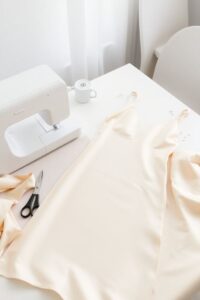
Not every formal dress needs complicated construction or advanced sewing techniques to look elegant. Simple gown patterns have become increasingly popular among beginners and experienced sewists alike because they combine sophistication with practical sewing methods. These dresses often feature clean silhouettes, minimal seams, and versatile designs that can be customized for prom, weddings, evening parties, or graduation events.
For many sewists, simple formal dress sewing patterns are the perfect way to create polished gowns without spending weeks on construction. With the right fabric and styling details, even the most basic gown pattern can look luxurious and professionally made.
Why Simple Gown Patterns Are Perfect for Beginners
Fewer Pattern Pieces
One of the biggest advantages of simple gown patterns is the reduced number of pattern pieces. Unlike heavily structured evening gowns with multiple lining sections, boning channels, and layered skirts, beginner-friendly gowns are often designed with straightforward construction in mind.
Fewer pattern pieces mean:
- Easier cutting and fabric organization
- Less confusion during assembly
- Faster sewing progress
- Lower risk of construction mistakes
This makes simple gown patterns less intimidating for first-time dressmakers.
Easier Construction Methods
Simple formal dress sewing patterns typically avoid highly technical sewing techniques. Instead, they focus on clean lines and wearable silhouettes that can be assembled using beginner-friendly methods.
Common features include:
- Elastic waistlines
- Simple darts
- Minimal closures
- Straight seams
- Easy-to-install zippers
- Uncomplicated necklines
Because the construction process is simpler, sewists can spend more time focusing on fit and finishing details rather than struggling with difficult techniques.
Faster Completion Time
Many sewists choose simple gown patterns because they can be completed much faster than elaborate formal gowns. Some beginner-friendly dresses can even be sewn in a single weekend.
Quick projects are especially useful when:
- Preparing for last-minute events
- Sewing multiple dresses
- Practicing formal sewing skills
- Working with limited sewing time
A faster project also helps beginners build confidence by allowing them to see finished results more quickly.
Best Simple Gown Pattern Ideas
Slip Dress Formal Gown
Slip dresses are one of the easiest and most elegant formal gown styles to sew. Inspired by minimalist 1990s fashion, these dresses feature sleek silhouettes with soft draping that flatters many body types.
Slip dress sewing patterns are ideal because they:
- Require minimal shaping
- Use fewer seams
- Work well with satin and crepe fabrics
- Look sophisticated without excessive embellishment
These gowns can easily be dressed up with jewelry, heels, and elegant accessories for formal events.
One-Shoulder Minimalist Dress
One-shoulder gowns create a stylish, modern appearance while still remaining relatively simple to construct. The asymmetrical neckline adds visual interest without requiring complicated sewing techniques.
This style works especially well for:
- Cocktail parties
- Evening galas
- Graduation celebrations
- Modern prom looks
Soft fabrics like crepe, satin, or stretch jersey help create clean draping around the neckline and shoulder area.
Empire Waist Maxi Gown
Empire waist dresses are highly beginner-friendly because the raised waistline creates a comfortable fit and reduces complicated shaping around the hips and waist. Read also maxi dress sewing pattern
Benefits of empire waist gown patterns include:
- Comfortable silhouette
- Easy fitting adjustments
- Flattering shape for many body types
- Flowing skirt movement
These dresses work beautifully with chiffon, lightweight satin, and soft tulle overlays.
Wrap Style Formal Dress
Wrap dresses are classic choices for both casual and formal occasions because they offer adjustable fit and timeless elegance. Formal wrap gown patterns often feature longer skirts, luxurious fabrics, and dramatic sleeve details.
Wrap gowns are especially popular because they:
- Are easy to customize
- Accommodate body fluctuations
- Create flattering waist definition
- Require fewer fitting alterations
For beginners, wrap dresses are often easier than fitted zipper gowns since the adjustable tie closure provides flexibility.
Easy Sewing Techniques That Save Time
Using Invisible Zippers
Invisible zippers are commonly used in formal dress sewing patterns because they create clean, professional-looking closures that blend seamlessly into the garment.
Benefits of invisible zippers include:
- Polished appearance
- Minimal visible stitching
- Smooth silhouette
- Suitable for fitted gowns
Using an invisible zipper foot can make installation much easier and improve sewing accuracy.
Bias Tape Finishing
Bias tape is a simple finishing technique that helps create neat edges on necklines, armholes, and seam allowances without requiring full lining construction.
Bias tape finishing is useful because it:
- Saves sewing time
- Reduces bulk
- Creates clean interior finishes
- Works well with lightweight fabrics
Many simple gown patterns use bias binding instead of complicated facings or lining pieces.
Choosing Beginner-Friendly Fabrics
Fabric choice can dramatically affect how easy a dress is to sew. While satin and chiffon are beautiful, beginners may find them slippery and difficult to control.
Some easier formalwear fabrics include:
- Crepe
- Matte satin
- Stretch velvet
- Stable polyester blends
- Lightweight ponte knits
These fabrics provide elegant results while remaining easier to cut, pin, and sew accurately.
Choosing beginner-friendly fabrics can make even formal dress sewing patterns feel far more manageable for newer sewists.
Unique Styles for Every Personality
One of the best things about sewing your own formal dress is the freedom to create a style that truly reflects your personality. Unlike store-bought gowns that follow limited trends and standard sizing, formal dress sewing patterns allow you to customize every detail—from silhouette and fabric to sleeves, embellishments, and finishing touches.
Whether you love glamorous red-carpet fashion, soft romantic details, sleek minimalist looks, or vintage-inspired elegance, there are formal dress sewing patterns designed to match every aesthetic. Choosing a style that feels authentic to your personality not only helps you look confident but also makes the sewing process more enjoyable and creative.
Glamorous & Dramatic Styles
For sewists who love bold fashion statements, glamorous formal dress sewing patterns offer dramatic silhouettes, luxurious fabrics, and eye-catching details. These gowns are designed to stand out at prom, evening galas, weddings, and other special occasions.
Sequined Gowns
Sequined dresses instantly create a high-fashion, red-carpet-inspired appearance. Whether fully embellished or used as accent panels, sequins add sparkle, texture, and glamour to formal gowns.
Popular sequined gown features include:
- Floor-length silhouettes
- Fitted bodices
- Deep necklines
- Dramatic slits
- Open-back details
Because sequined fabrics already create strong visual impact, many sewists pair them with simpler silhouettes to keep the overall design balanced and elegant.
Mermaid Dresses
Mermaid formal dress sewing patterns remain one of the most dramatic and flattering gown styles. These dresses hug the body through the waist and hips before flaring outward near the knees, creating a striking silhouette often associated with luxury eveningwear.
Mermaid gowns are especially popular for:
- Prom dresses
- Black-tie events
- Formal weddings
- Evening galas
Structured fabrics like satin, crepe, and stretch velvet help maintain the fitted shape while still allowing movement and comfort.
Open-Back Formal Gowns
Open-back dresses combine sophistication with dramatic styling, making them a favorite choice for modern formalwear. These gowns often balance simple front silhouettes with bold back details for an elegant yet striking appearance.
Popular open-back design elements include:
- Crisscross straps
- Deep scoop backs
- Lace-up closures
- Sheer illusion panels
- Satin draping
Open-back formal gowns work beautifully with minimalist designs, allowing the back detail to become the focal point of the dress.
Romantic & Feminine Styles
Romantic formal dress sewing patterns focus on softness, elegance, and delicate details. These styles are ideal for sewists who love timeless feminine fashion with graceful movement and subtle texture.
Lace Overlays
Lace continues to be one of the most popular fabrics for romantic formal dresses because it adds texture, softness, and vintage-inspired elegance.
Lace overlays are commonly used for:
- Bodices
- Sleeves
- Full skirt overlays
- Illusion necklines
- Corset details
Pairing lace with satin or chiffon underneath creates dimension while maintaining a soft, elegant look.
Puffy Sleeves
Puffy sleeves are trending heavily in both bridal and formal fashion this season. These sleeves add volume and personality while creating a romantic silhouette inspired by vintage and couture designs.
Popular puffy sleeve styles include:
- Off-shoulder puff sleeves
- Sheer gathered sleeves
- Long bishop sleeves
- Tulle statement sleeves
- Short dramatic puff sleeves
Even simple gown patterns can feel more fashionable and unique with the addition of statement sleeves.
Soft Chiffon Silhouettes
Chiffon formal gowns create graceful movement and lightweight comfort, making them especially popular for spring and summer events.
Soft chiffon silhouettes often feature:
- Flowing skirts
- Layered fabrics
- Gentle draping
- Empire waistlines
- Feminine flutter sleeves
These dresses feel romantic and effortless while remaining elegant enough for formal occasions.
Modern Minimalist Styles
Minimalist formal dresses have become increasingly popular because they focus on clean tailoring, luxurious fabrics, and timeless simplicity rather than excessive embellishment.
Clean Lines
Minimalist formal dress sewing patterns often rely on sleek silhouettes and carefully tailored construction instead of dramatic details.
Key features include:
- Straight silhouettes
- Smooth seams
- Simple necklines
- Structured draping
- Minimal decoration
These gowns photograph beautifully and often remain stylish for years without feeling overly trendy.
Neutral Tones
Modern minimalist gowns frequently use neutral or muted color palettes that create an elegant and sophisticated appearance.
Popular minimalist formalwear colors include:
- Black
- Champagne
- Ivory
- Taupe
- Soft gray
- Chocolate brown
- Navy
These shades pair especially well with satin, crepe, and matte fabrics that highlight the dress silhouette rather than bold prints or embellishments.
Elegant Slip Dresses
Slip dresses are one of the most iconic minimalist gown styles because they combine simplicity with effortless sophistication.
Elegant slip dress sewing patterns often include:
- Bias-cut fabric
- Thin straps
- Soft draping
- Floor-length skirts
- Open-back details
These dresses are ideal for sewists who prefer understated glamour and modern styling.
Vintage Inspired Formal Dress Sewing Patterns
Vintage-inspired gowns continue to influence modern formal fashion, especially among sewists who appreciate timeless silhouettes and classic glamour. Many vintage-inspired formal dress sewing patterns blend historical details with updated construction techniques for a wearable modern look.
Old Hollywood Glamour
Old Hollywood-inspired gowns focus on elegance, dramatic silhouettes, and luxurious fabrics reminiscent of classic film stars.
Common features include:
- Satin fabrics
- Draped necklines
- Long fitted gowns
- High slits
- Elegant gloves and accessories
These dresses create a sophisticated appearance that feels timeless rather than trend-focused.
1950s Inspired Silhouettes
1950s formal dress styles remain popular because they emphasize feminine waistlines and full skirts that flatter many body shapes.
Vintage-inspired 1950s gown patterns often include:
- Fit-and-flare silhouettes
- Tea-length skirts
- Structured bodices
- Sweetheart necklines
- Layered tulle underskirts
These dresses are especially popular for retro-themed events and romantic formal occasions.
Corset Waist Designs
Corset waist details continue to appear in both vintage and modern formal dress sewing patterns because they create beautiful shaping and elegant structure.
Corset-inspired elements may include:
- Boning channels
- Lace-up backs
- Defined waist seams
- Structured bodices
- Draped satin overlays
These designs combine classic glamour with modern tailoring techniques to create highly flattering formal gowns.
Grad Dress Patterns
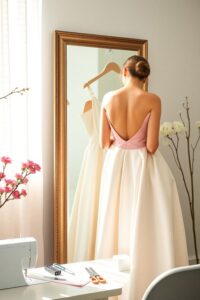
Graduation is one of life’s biggest milestones, and the perfect dress should feel both stylish and comfortable for the occasion. Many sewists are now turning to grad dress patterns to create personalized outfits that stand out while still feeling practical enough for long ceremonies, photos, and celebrations. Sewing your own graduation dress also gives you complete control over fit, fabric, color, and overall style, making it easier to create something unique without overspending.
Unlike heavily dramatic evening gowns, graduation dresses often balance elegance with youthful simplicity. The best graduation dress sewing patterns are polished enough for formal events while remaining comfortable and wearable throughout an entire day of activities.
What Makes a Great Graduation Dress?
Comfort for Long Ceremonies
Graduation ceremonies can last several hours, so comfort should always be a priority when choosing formal dress sewing patterns for this type of event. Tight bodices, restrictive skirts, or heavy fabrics may look beautiful initially but quickly become uncomfortable during long periods of sitting, walking, and standing.
Comfortable graduation dress patterns often feature:
- Breathable fabrics
- Flexible waistlines
- Lightweight skirts
- Easy movement around the hips
- Adjustable straps or sleeves
Soft fabrics and practical silhouettes help ensure the dress remains comfortable from the ceremony to post-graduation celebrations.
Elegant but Youthful Design
Graduation dresses usually combine sophistication with a fresh, youthful appearance. While evening gown patterns may focus on dramatic glamour, grad dress patterns often feature softer silhouettes and simpler styling.
Popular youthful design elements include:
- Midi or mini lengths
- Soft pastel colors
- Feminine sleeves
- Clean necklines
- Light draping
- Minimal embellishments
The goal is to create a dress that feels polished and age-appropriate without appearing overly formal or overly casual.
Practical Length and Movement
Graduation events often involve walking across stages, climbing stairs, sitting for long periods, and taking photos outdoors. Because of this, practical movement is extremely important when selecting a dress pattern.
Many sewists prefer:
- Midi dresses
- Knee-length silhouettes
- Flowy skirts
- A-line shapes
- Comfortable wrap styles
These silhouettes provide elegance while still allowing comfortable movement throughout the day.
Classic vs Trendy Grad Dress Patterns
Graduation fashion changes each season, but both classic and trendy styles remain popular depending on personal taste. Some sewists prefer timeless dresses they can wear again, while others enjoy modern details inspired by current fashion trends.
Classic Graduation Dress Ideas
A-Line Midi Dresses
A-line midi dresses remain one of the most reliable graduation dress options because they are universally flattering and easy to wear. The fitted bodice combined with a softly flared skirt creates balance and comfort without excessive volume.
A-line graduation dress sewing patterns are popular because they:
- Suit many body types
- Allow easy movement
- Work with many fabrics
- Feel elegant without being overly formal
These dresses can easily transition from graduation ceremonies to family dinners or future special occasions.
Fit-and-Flare Styles
Fit-and-flare dresses offer a slightly more defined silhouette while still maintaining comfort and practicality. These dresses emphasize the waist before gently flaring outward, creating a feminine and polished appearance.
This style works especially well for:
- Spring graduations
- Outdoor ceremonies
- Semi-formal celebrations
- Soft romantic aesthetics
Fit-and-flare grad dress patterns are also relatively beginner-friendly compared to more structured formalwear.
Sleeveless Satin Dresses
Simple satin dresses continue to trend because they look elegant while remaining lightweight and modern. Sleeveless satin graduation dress patterns often feature minimalist silhouettes that feel sophisticated without excessive embellishment.
Popular satin dress details include:
- Cowl necklines
- Slip dress silhouettes
- Midi lengths
- Open-back designs
- Side slits
Soft satin fabrics create beautiful movement and photograph especially well during graduation events.
Trendy Graduation Dress Ideas
Cut-Out Details
Modern graduation dresses increasingly feature subtle cut-out details that add personality without becoming too revealing. Waist cut-outs, back openings, and asymmetrical details are especially popular among younger sewists.
Cut-out dress patterns create:
- Modern silhouettes
- Fashion-forward styling
- More visual interest
- Lightweight comfort during warm weather
Balanced placement is important to maintain an elegant appearance suitable for graduation ceremonies.
Corset-Inspired Tops
Corset-style bodices are no longer limited to prom gowns and evening dresses. Many trendy grad dress patterns now incorporate subtle corset-inspired shaping for added structure and flattering fit.
Corset-inspired graduation dresses often include:
- Defined waist seams
- Structured bodices
- Soft boning
- Lace-up details
- Sweetheart necklines
These dresses combine trendy styling with feminine elegance.
Puff Sleeve Mini Dresses
Puff sleeve mini dresses continue to trend heavily in graduation fashion because they feel playful, youthful, and stylish. These dresses combine dramatic sleeves with shorter hemlines for a modern look that still feels polished.
Popular puff sleeve details include:
- Sheer sleeves
- Gathered shoulders
- Balloon sleeves
- Square necklines
- Lightweight fabrics
This style works especially well for spring and summer graduation celebrations.
How to Choose the Right Fabric for Grad Dresses
Fabric selection is one of the most important parts of sewing graduation dresses because it affects comfort, movement, fit, and overall appearance.
Lightweight Fabrics for Spring Graduation
Spring graduation ceremonies often involve mild temperatures and outdoor photography, making lightweight fabrics ideal.
Popular spring fabrics include:
- Chiffon
- Lightweight crepe
- Soft satin
- Cotton sateen
- Rayon blends
These materials create soft movement while remaining comfortable for all-day wear.
Breathable Fabrics for Summer Ceremonies
Summer graduations can become extremely warm, especially during outdoor ceremonies. Breathable fabrics help prevent overheating while maintaining an elegant appearance.
Good breathable fabric choices include:
- Linen blends
- Lightweight cotton blends
- Rayon challis
- Stretch crepe
- Bamboo blends
Choosing breathable lining materials is equally important for comfort.
Structured Fabrics for Elegant Looks
Some sewists prefer graduation dresses with more shape and structure. In these cases, slightly heavier fabrics can help maintain clean silhouettes and polished tailoring.
Structured fabrics work well for:
- Corset-inspired dresses
- Fit-and-flare silhouettes
- A-line midi dresses
- Puff sleeve designs
Popular structured formal fabrics include:
- Crepe
- Mikado satin
- Taffeta
- Medium-weight satin
These fabrics hold shape well while still looking elegant and refined.
Common Mistakes to Avoid When Sewing Grad Dresses
Using Stiff Fabric
One of the most common mistakes beginners make is choosing overly stiff fabric for graduation dresses. Heavy fabrics can restrict movement and create uncomfortable garments, especially during long ceremonies.
Instead, focus on fabrics with:
- Soft drape
- Comfortable movement
- Breathability
- Moderate structure
The dress should feel polished without becoming difficult to wear.
Ignoring Ease Allowance
Graduation dresses need enough ease for walking, sitting, and moving comfortably. Sewing garments too tightly can make long ceremonies uncomfortable and increase the risk of seam strain.
Always:
- Check finished garment measurements
- Sew a test fit if possible
- Leave enough movement allowance
- Consider fabric stretch when sizing
Comfort is just as important as appearance.
Choosing Difficult Closures for Beginners
Complicated closures can slow down projects and frustrate newer sewists. While invisible zippers and corset backs look beautiful, beginners may prefer simpler construction methods for their first graduation dress.
Beginner-friendly closure options include:
- Elastic backs
- Wrap ties
- Side zippers
- Button loops
- Stretch fabrics with pull-on construction
Starting with simpler techniques helps improve sewing confidence while still creating elegant results.
Evening Gown Patterns
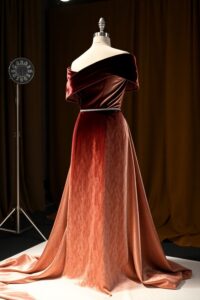
Evening gown patterns represent some of the most elegant and sophisticated projects in dressmaking. Whether you are sewing for a gala, formal wedding, black-tie event, or luxury evening party, the right evening gown sewing pattern can create a stunning custom look that feels both timeless and fashionable. From sleek minimalist silhouettes to dramatic red-carpet-inspired gowns, evening dresses allow sewists to experiment with luxurious fabrics, flattering tailoring, and advanced sewing techniques.
One reason many sewists love evening gown patterns is the ability to achieve a designer-quality look with complete control over fit and style. Choosing your own fabric, neckline, sleeve design, and silhouette allows you to create a dress that feels far more personalized than ready-made formalwear.
Elegance and Style in Evening Gown Choices
What Defines a True Evening Gown
A true evening gown is typically designed for highly formal occasions and often features floor-length silhouettes, luxurious fabrics, and elegant detailing. Unlike casual dresses or semi-formal outfits, evening gowns are meant to create a sophisticated and polished appearance suitable for upscale events.
Common characteristics of evening gown sewing patterns include:
- Full-length skirts
- Refined tailoring
- Elegant draping
- Luxurious fabrics
- Formal necklines and sleeves
- Structured bodices or flowing silhouettes
Even minimalist evening gowns usually rely on high-quality fabric and precise construction to create their elegant appearance.
Difference Between Formal Gowns and Cocktail Dresses
Although both are considered formalwear, evening gowns and cocktail dresses serve different purposes and follow different styling expectations.
Evening Gowns
- Usually floor length
- Designed for black-tie or highly formal events
- Often feature dramatic silhouettes or luxurious fabrics
- More structured or detailed construction
Cocktail Dresses
- Typically knee-length or midi length
- Suitable for semi-formal events and parties
- Easier to move in and style casually
- Often simpler in construction and silhouette
Understanding the difference helps sewists choose the most appropriate formal dress sewing patterns for their event.
Flattering Cuts and Designs for Different Body Types
Choosing the right evening gown silhouette can dramatically improve comfort, confidence, and overall fit. Different styles highlight different proportions, so understanding which cuts work best for various body types helps create more flattering finished garments.
Best Evening Gown Patterns for Petite Figures
Petite sewists often benefit from silhouettes that create the illusion of height and balanced proportions.
Recommended evening gown styles for petite figures include:
- Empire waist gowns
- Slim column dresses
- High slit gowns
- Vertical seam details
- Monochromatic designs
- V-neck silhouettes
Avoiding excessive volume or overly long skirts can help maintain balanced proportions while still looking elegant.
Lightweight fabrics like satin and crepe often work especially well for petite evening dresses because they create fluid movement without overwhelming smaller frames.
Flattering Styles for Curvy Shapes
Curvy body types often look stunning in evening gown patterns that emphasize natural waistlines and provide supportive structure.
Popular flattering styles include:
- Mermaid gowns
- Wrap dresses
- Corset bodices
- A-line silhouettes
- Off-shoulder necklines
- Stretch satin dresses
Structured bodices paired with flowing skirts create balanced proportions while enhancing curves in an elegant way.
Fabrics with moderate stretch or soft drape can also improve comfort and movement.
Tall Figure Friendly Formal Dresses
Tall sewists can easily wear dramatic silhouettes and bold design details that may overwhelm smaller frames.
Evening gown styles that work beautifully for tall figures include:
- Dramatic mermaid gowns
- Layered skirts
- High neck designs
- Long sleeve velvet dresses
- Bold slits
- Large-scale draping
Tall figures often carry floor-length gowns especially well, making them ideal for dramatic red-carpet-inspired evening dresses.
3 Trendy Evening Gown Patterns for This Season
Off-Shoulder Satin Evening Gown
Off-shoulder satin gowns continue to trend because they combine elegance with timeless femininity. The neckline softly highlights the shoulders and collarbone while satin fabric adds luxurious shine and fluid movement.
This style works especially well for:
- Weddings
- Black-tie dinners
- Evening galas
- Formal parties
Popular features include:
- Draped bodices
- Fitted waists
- Floor-length skirts
- Side slits
- Soft ruching
Satin fabrics create a glamorous appearance while maintaining a sleek and modern silhouette.
Velvet Long Sleeve Evening Dress
Velvet gowns remain a favorite for fall and winter formalwear because they create richness, depth, and dramatic texture.
Long sleeve velvet evening gown patterns are ideal for:
- Holiday parties
- Winter weddings
- Luxury evening events
- Formal dinners
Stretch velvet is especially popular because it provides comfort while still maintaining an elegant fitted silhouette.
Deep jewel tones like emerald green, burgundy, navy, and black are particularly trendy for velvet evening dresses this season.
High Slit Red Carpet Inspired Gown
High slit evening gowns continue to dominate formal fashion because they balance sophistication with dramatic movement. These dresses often feature fitted silhouettes paired with thigh-high slits that create a bold yet elegant appearance.
Common design details include:
- One-shoulder necklines
- Corset bodices
- Satin fabrics
- Open backs
- Draped skirts
These gowns are perfect for sewists who want a glamorous statement piece inspired by celebrity red carpet fashion.
Advanced Sewing Techniques for Evening Dresses
Evening gown sewing patterns often involve more advanced construction methods than casual garments. Learning these techniques helps create professional-quality dresses with improved fit, structure, and finishing.
Draping Fabric
Draping is a technique used to shape fabric directly on a dress form or body to create soft folds and elegant silhouettes. Many luxury evening gowns use draping to create fluid movement and sophisticated texture.
Draping is commonly used for:
- Cowl necklines
- Gathered bodices
- Satin skirts
- Asymmetrical details
- Off-shoulder designs
Working slowly and pinning carefully helps maintain smooth, balanced fabric placement.
Adding Lining
Lining improves both comfort and structure in formal gowns. A properly lined evening dress feels more luxurious while helping fabrics drape smoothly against the body.
Benefits of lining include:
- Better garment structure
- Reduced transparency
- Improved comfort
- Cleaner interior finishing
- Longer garment durability
Many formal dress sewing patterns include separate lining pieces specifically designed to support delicate outer fabrics.
Working With Delicate Materials
Evening gowns often use fabrics that require extra patience and precision during construction. Satin, chiffon, lace, velvet, and sequined materials can all behave differently under the sewing machine.
Helpful techniques include:
- Using sharp fine needles
- Sewing slowly
- Stabilizing delicate seams
- Using tissue paper when sewing slippery fabrics
- Testing stitches on scraps first
Practicing with delicate fabrics before cutting final pattern pieces can help reduce mistakes and improve sewing confidence.
Tips for Sewing Formal Dresses
Sewing formal dresses can feel intimidating at first, especially when working with delicate fabrics, fitted silhouettes, and detailed construction techniques. However, with the right tools, materials, and preparation, formal dress sewing patterns become much easier to manage. Whether you are creating a simple satin slip dress or a structured evening gown, learning a few essential techniques can dramatically improve the quality of your finished garment.
Many sewing challenges come from rushing the process or using unsuitable materials. Taking time to prepare properly helps create dresses that look polished, fit comfortably, and feel professionally made.
Essential Tools and Materials
Using the right sewing tools makes formal dress construction smoother, faster, and more accurate. Since formalwear often involves delicate fabrics and precise fitting, investing in a few quality tools can greatly improve your results.
Dressmaker Pins
Dressmaker pins are essential for holding pattern pieces and fabric layers securely during sewing. Fine, sharp pins work especially well for formal fabrics like satin, chiffon, and silk because they reduce visible holes and fabric damage.
Glass-head pins are especially useful because they:
- Resist heat from ironing
- Stay visible on fabric
- Glide smoothly through delicate materials
Using high-quality pins helps maintain accurate seams and cleaner construction.
Rotary Cutter
A rotary cutter allows sewists to cut fabric more accurately, especially when working with slippery or lightweight materials.
Benefits of using a rotary cutter include:
- Cleaner fabric edges
- Faster cutting
- Reduced fabric shifting
- More precise curves and straight lines
Pairing the cutter with a self-healing cutting mat improves safety and cutting accuracy.
Invisible Zipper Foot
Invisible zippers are common in formal dress sewing patterns because they create smooth, professional-looking closures. An invisible zipper foot helps position the zipper coils correctly for cleaner installation.
This tool makes it easier to:
- Sew close to zipper teeth
- Create hidden closures
- Prevent uneven zipper seams
- Achieve polished finishes
Many beginners find invisible zippers much less intimidating once using the proper sewing foot.
Dress Form
A dress form can significantly improve fitting accuracy when sewing formal gowns. It allows sewists to evaluate drape, silhouette, and garment balance while working.
Dress forms are especially helpful for:
- Draping fabric
- Checking hem balance
- Adjusting waist placement
- Visualizing fit issues
- Pinning difficult areas
Even adjustable beginner dress forms can make formal sewing projects easier and more precise.
Tailor’s Ham
A tailor’s ham is a curved pressing tool used to shape darts, princess seams, sleeves, and curved bodice areas without flattening the fabric.
It is particularly useful for:
- Bust shaping
- Curved seams
- Structured bodices
- Sleeve caps
- Pressing delicate fabrics carefully
Proper pressing is one of the biggest differences between homemade-looking garments and professional-quality formalwear.
Best Fabrics for Formal Dress Sewing Patterns
Choosing the right fabric affects not only the appearance of the dress but also the sewing experience itself. Some fabrics are far easier to handle than others, especially for beginners.
Which Fabrics Are Easiest for Beginners
Beginner-friendly formal fabrics usually offer stability and easier handling while still looking elegant.
Some of the easiest fabrics to sew include:
- Crepe
- Matte satin
- Stretch velvet
- Cotton sateen
- Stable polyester blends
- Lightweight ponte knit
These fabrics:
- Shift less while sewing
- Press more easily
- Require less pinning
- Handle fitting adjustments better
For first formal dress projects, stable fabrics often lead to cleaner and less frustrating results.
Which Fabrics Create Luxury Looks
Luxury formalwear often relies heavily on fabric choice. Even simple gown patterns can appear expensive when sewn using high-quality materials.
Popular luxury fabrics include:
- Silk satin
- Velvet
- Chiffon
- Organza
- Lace
- Sequined fabrics
- Mikado satin
These fabrics create rich texture, elegant drape, and dramatic visual impact that elevate formal dresses instantly.
However, many luxury fabrics also require more advanced sewing techniques and careful handling.
Fabrics to Avoid for First Projects
Some fabrics are notoriously difficult for beginners because they shift, fray, stretch excessively, or require advanced finishing methods.
Challenging fabrics include:
- Lightweight silk charmeuse
- Ultra-slippery satin
- Sequined mesh
- Stretch mesh
- Delicate lace
- Very thin chiffon
While beautiful, these materials can make even simple sewing patterns much more difficult to manage. Beginners often achieve better results starting with stable alternatives before attempting highly delicate fabrics.
Common Challenges and How to Overcome Them
Even experienced sewists face challenges when making formal dresses. Understanding common issues ahead of time helps prevent frustration and improves final garment quality.
Sewing Slippery Fabrics
Satin, chiffon, and silk-like fabrics tend to slide during cutting and sewing, which can lead to uneven seams and distorted pattern pieces.
Helpful techniques include:
- Using a rotary cutter instead of scissors
- Pinning carefully and frequently
- Sewing slowly
- Using tissue paper underneath fabric while stitching
- Cutting fabric in a single layer
A walking foot can also help feed slippery fabrics more evenly through the sewing machine.
Achieving the Perfect Fit
Formal dresses often require more precise fitting than casual clothing because they are designed to closely follow the body.
To improve fit:
- Take accurate body measurements
- Compare finished garment measurements carefully
- Sew test garments or muslins
- Adjust pattern pieces gradually
- Fit the bodice before attaching skirts
Small adjustments can dramatically improve comfort and appearance.
Preventing Uneven Hems
Flowing formal gowns often develop uneven hems because fabric stretches differently over time, especially on bias-cut dresses.
To create balanced hems:
- Let garments hang for 24 hours before hemming
- Use a dress form if possible
- Measure from the floor evenly
- Hem slowly in sections
- Press carefully during hemming
Taking extra time with hems creates a more polished final garment.
Fixing Zipper Problems
Zippers are one of the most common problem areas in formal sewing projects. Uneven seams, puckering, or misaligned closures can affect the entire appearance of the dress.
To improve zipper installation:
- Interface zipper areas first
- Baste before final sewing
- Use an invisible zipper foot
- Press seams carefully
- Avoid stretching fabric while sewing
Practicing zipper installation on fabric scraps before sewing the actual garment can greatly improve results.
Adjusting Patterns for a Perfect Fit
Most formal dress sewing patterns are designed using standard sizing, which means adjustments are often necessary for the best fit. Learning basic pattern alterations helps create garments that feel custom-made.
Length Adjustments
Height differences often require changes to skirt length, waist placement, or bodice proportions.
Common adjustments include:
- Shortening bodices for petite figures
- Lengthening skirts for tall sewists
- Adjusting waistline placement
- Modifying sleeve length
Making these adjustments early prevents major fitting issues later in construction.
Bust Adjustments
Bust fit is especially important in formal dresses because fitted bodices highlight shaping and structure.
Common bust adjustments include:
- Full bust adjustments (FBA)
- Small bust adjustments (SBA)
- Dart repositioning
- Cup size modifications
Proper bust fitting improves both comfort and overall silhouette.
Waist and Hip Modifications
Many sewists need to blend between pattern sizes at the waist and hips to achieve the best fit.
Helpful techniques include:
- Grading between sizes
- Adjusting seam allowances gradually
- Adding ease where needed
- Maintaining smooth side seam lines
Careful shaping helps dresses fit naturally without pulling or excessive looseness.
Making Mockups Before Cutting Expensive Fabric
One of the most important steps in formal sewing is creating a mockup, also called a muslin, before cutting into expensive fabric.
Mockups allow you to:
- Test fit adjustments
- Practice difficult techniques
- Check neckline and skirt proportions
- Identify construction problems early
- Reduce costly mistakes
Even experienced sewists often create mockups for evening gown patterns and fitted formal dresses because they help ensure the final garment fits beautifully.
Conclusion
Final Thoughts on Sewing Formal Dresses
Sewing your own formal dress is one of the most rewarding projects a sewist can take on. From elegant evening gown patterns to trendy prom dress sewing patterns and stylish graduation dresses, creating your own garment gives you complete control over the final result. Instead of settling for limited store options, you can choose the exact silhouette, fabric, color, and details that match your personal style and body shape.
One of the biggest advantages of using formal dress sewing patterns is the ability to create luxury-inspired gowns at home without the high designer price tag. With the right pattern, quality fabric, and careful construction, even beginner sewists can achieve polished dresses that look professionally made. Small details such as proper fitting, thoughtful fabric selection, and clean finishing techniques can dramatically elevate the overall appearance of a handmade gown.
If you are new to dressmaking, remember that every experienced sewist started with simple projects first. Beginning with beginner-friendly gown patterns helps build confidence and allows you to gradually learn more advanced techniques over time. As your skills improve, you can move into more detailed projects like corset bodices, draped evening gowns, and structured formalwear designs.
Encouragement to Explore and Experiment with Patterns
One of the most exciting parts of sewing formal dresses is the opportunity to experiment creatively. Every new project gives you the chance to explore different silhouettes, fabrics, and sewing techniques while developing your personal sewing style.
Try stepping outside your comfort zone by:
- Sewing new dress silhouettes
- Experimenting with satin, velvet, chiffon, or lace
- Mixing modern and vintage-inspired details
- Adding custom sleeves, slits, or embellishments
- Combining different bodices and skirt designs
Customizing formal dress sewing patterns is one of the easiest ways to create garments that feel truly unique. Even small adjustments can completely transform the final look of a dress.
It’s also important to remember that sewing skills improve gradually with practice. Techniques like invisible zipper installation, fitting adjustments, draping, and working with delicate fabrics may feel challenging at first, but every project helps build experience and confidence. Taking your time and practicing consistently will lead to cleaner finishes and more professional-looking garments over time.
Ready to Start Your Next Formal Dress Project?
Save this guide for future inspiration as you explore new formal dress sewing patterns and gown ideas throughout the season. Whether you are planning a prom dress, graduation outfit, wedding guest gown, or elegant evening look, having a collection of pattern ideas and sewing tips can make your next project much easier.
If you create your own formal dress, consider sharing your finished gown on Pinterest or social media to inspire other sewists and showcase your creativity. Handmade formalwear is always unique, and seeing different fabric choices and customizations can help others discover new ideas for their own projects.
For more inspiration, continue exploring beginner-friendly sewing tutorials, prom patterns, evening gown patterns, and simple formal dress projects to expand your skills and build your dream handmade wardrobe.
0 Comments