Learn sewing basics for beginners with our step-by-step guide, covering essential techniques and tools to get you started quickly and confidently.
As an absolute beginner, starting your sewing journey can be overwhelming. With so many techniques, tools, and materials to learn, it’s easy to feel like you’re drowning in a sea of threads and fabrics. However, with a little patience and practice, you can quickly master the basics and start creating beautiful garments and home decor items. In this article, we’ll take you through the essential sewing basics step by step, helping you to make fast progress and build a strong foundation for your future sewing projects.
Learn sewing basics for beginners Introduction
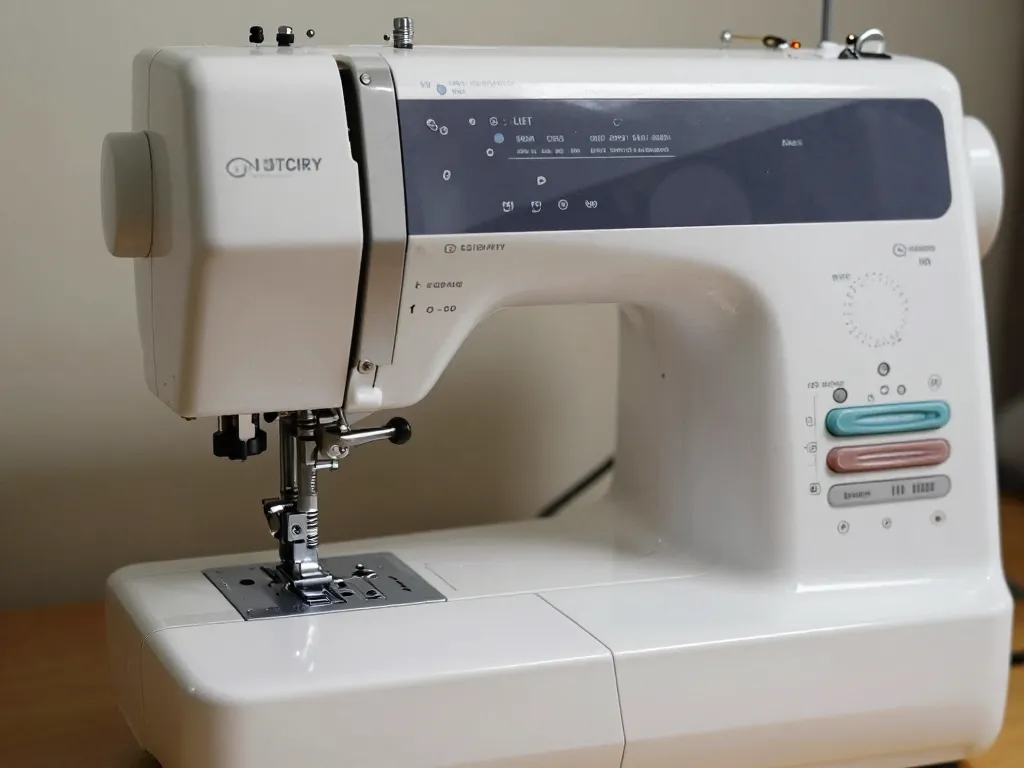
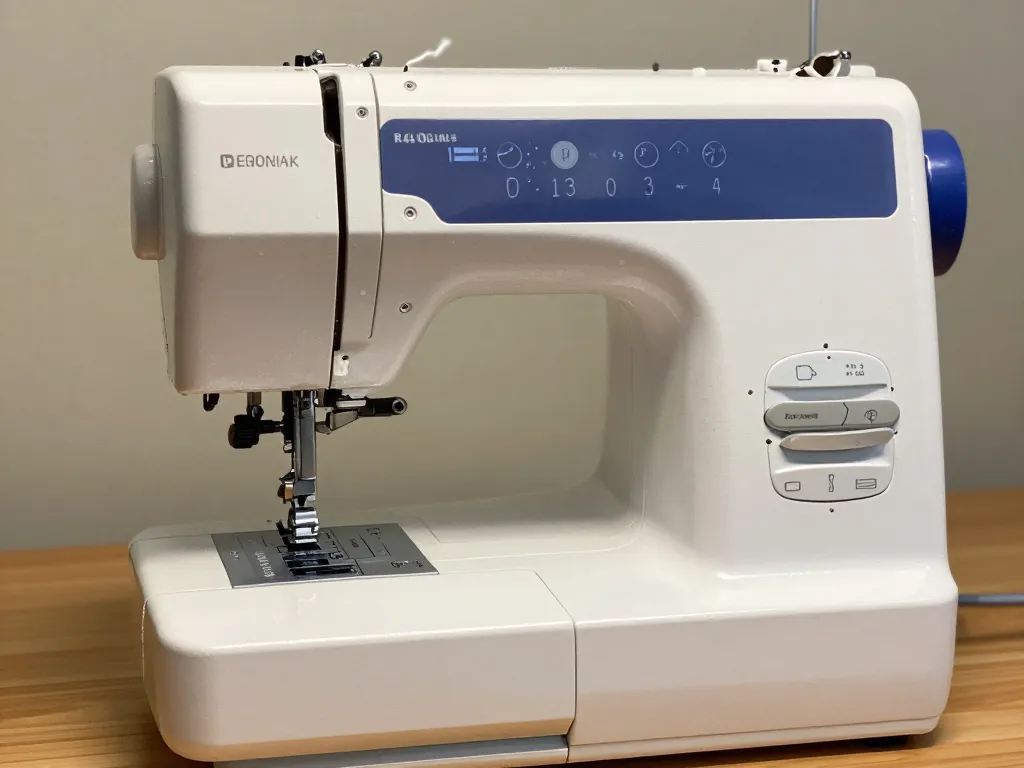
Before you start sewing, it’s essential to understand the basics of how a sewing machine works and the different parts that make up a sewing machine. Familiarize yourself with the machine’s manual or online tutorials to learn how to thread the machine, wind a bobbin, and adjust the stitch length and width. It’s also crucial to understand the different types of stitches and when to use them. For example, a straight stitch is ideal for sewing straight lines, while a zigzag stitch is better suited for sewing stretchy fabrics.
Choosing the Right Fabric
Selecting the right fabric for your project is critical to achieving professional-looking results. As a beginner, it’s best to start with cotton or polyester fabrics, which are easy to work with and forgiving. Avoid using thin or slippery fabrics like silk or chiffon, as they can be challenging to handle. When choosing a fabric, consider the project’s requirements, such as durability, comfort, and aesthetics. For example, if you’re making a tote bag, you’ll want a sturdy fabric that can withstand heavy use.
Measuring and Cutting Fabric
Accurate measuring and cutting are critical steps in the sewing process. To ensure a perfect fit, take your measurements carefully, using a flexible measuring tape to record your body measurements. When cutting fabric, use a rotary cutter and mat to prevent errors and ensure precise cuts. Always cut your fabric slightly larger than the pattern piece, allowing for a 1/4-inch seam allowance. This will give you room to adjust the fit and make any necessary alterations.

Threading and Winding a Bobbin
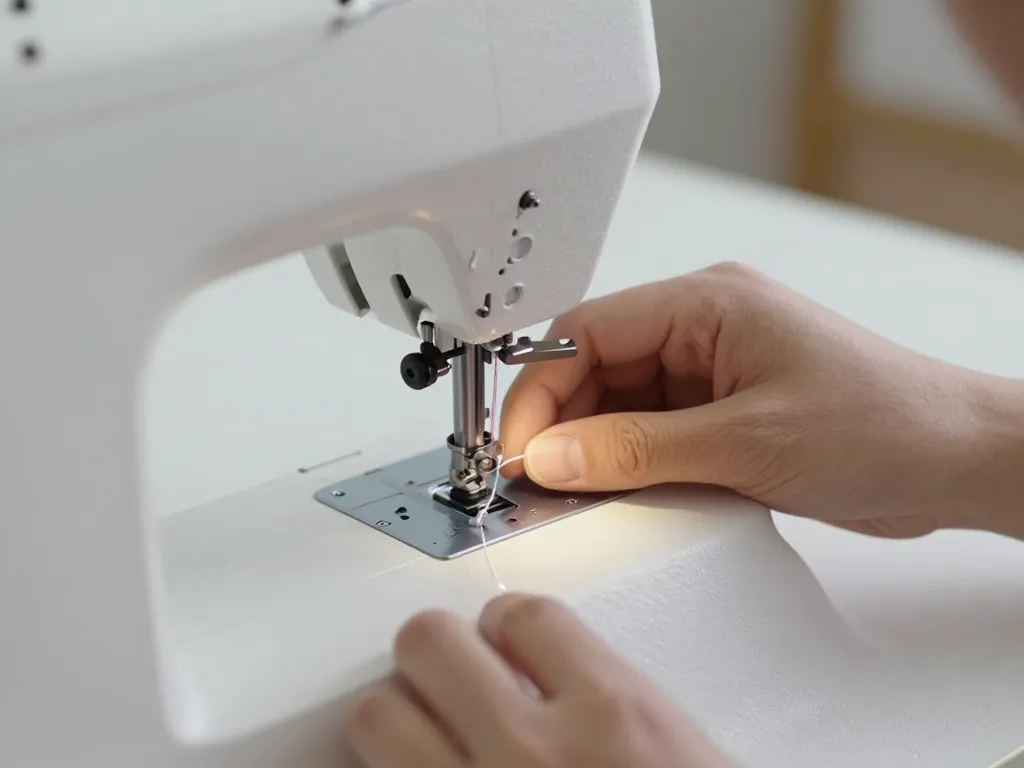
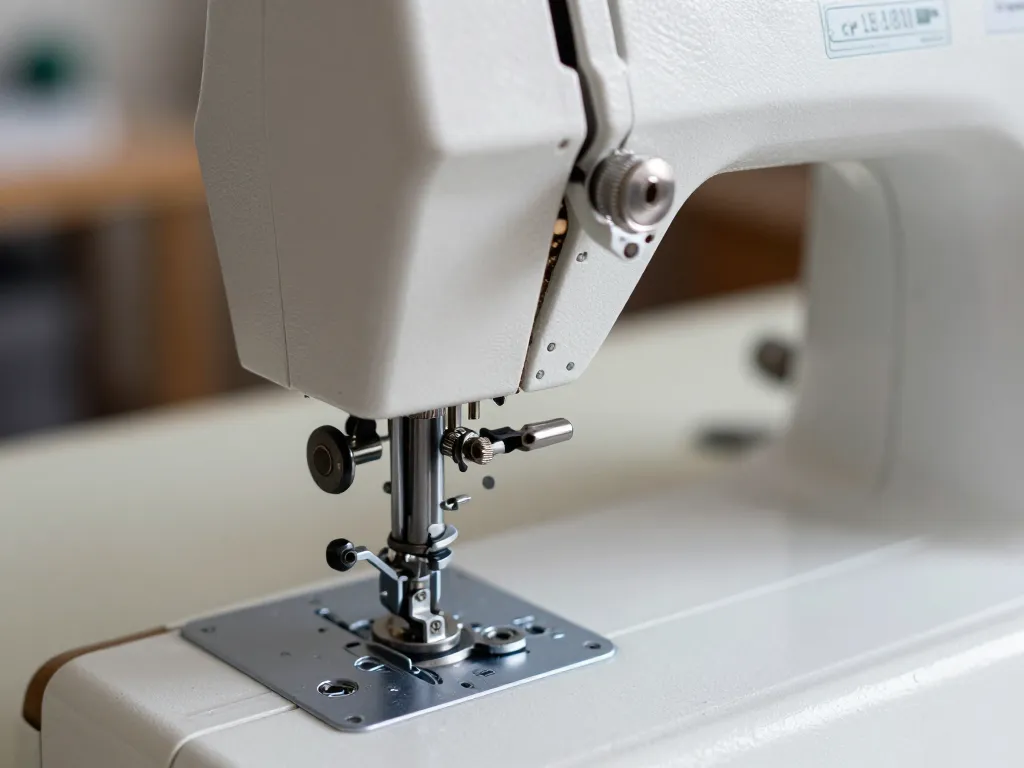
Threading your sewing machine and winding a bobbin are essential skills that require practice to master. To thread your machine, follow the manufacturer’s instructions or online tutorials. Make sure to thread the machine correctly, as incorrect threading can cause tangles and knots. When winding a bobbin, use a consistent tension to prevent the thread from tangling or knotting. It’s also essential to use a high-quality thread that matches your fabric’s color and texture.
Sewing a Straight Line
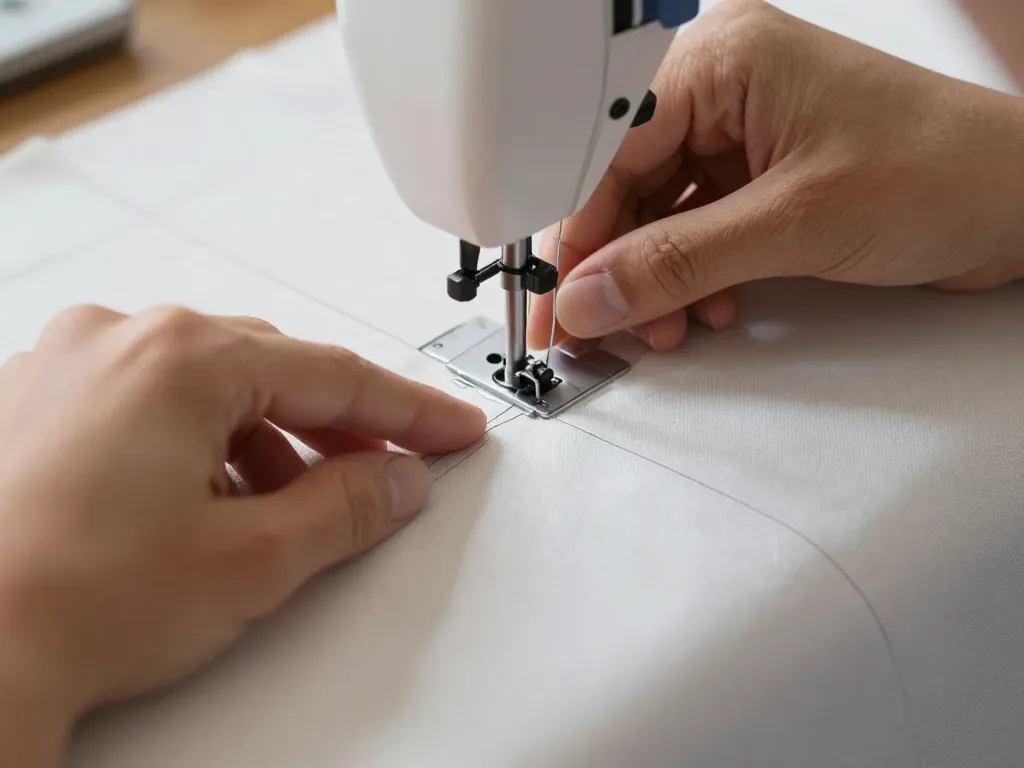
Sewing a straight line is a fundamental skill that requires practice and patience. Start by sewing a straight line on a scrap piece of fabric to get a feel for the machine and to build your confidence. Use the machine’s built-in guide or a walking foot to help you maintain a straight line. Keep your hands and arms relaxed, and focus on keeping the fabric moving smoothly under the presser foot.
Backstitching and Securing Seams
Backstitching and securing seams are crucial steps in the sewing process. Backstitching involves sewing a few reverse stitches at the beginning and end of a seam to prevent it from coming undone. To secure seams, use a serger or zigzag stitch on the seam allowance to prevent fraying. You can also use a seam finisher or binding to give your seams a professional finish.
Tips for Fast Progress
While sewing takes time and practice to master, there are several tips that can help you make fast progress. Start with simple projects like a tote bag or pillowcase, and gradually move on to more complex projects. Practice regularly, even if it’s just for a few minutes a day. Watch online tutorials and sewing classes to learn new techniques and improve your skills. Join a sewing community or find a sewing buddy to stay motivated and inspired.
Conclusion
Mastering the basics of sewing takes time and practice, but with patience and dedication, you can quickly make progress and start creating beautiful garments and home decor items. By following these step-by-step instructions and practicing regularly, you’ll be well on your way to becoming a confident sewer. So why wait? Get started today, and discover the joy of sewing!
0 Comments