Get ready to create the wedding dress of your dreams with our comprehensive guide to wedding dress sewing patterns, featuring expert tips and advice to ensure a stunning and memorable look on your special day.
When it comes to planning a wedding, the dress is often the most important aspect for the bride. After all, it’s the one thing that will make her feel like a princess on her big day. But, with so many options available, it can be overwhelming to choose the perfect wedding dress sewing pattern. In this article, we’ll take you through the different types of patterns, fabrics, and techniques to consider, as well as provide expert tips and advice to ensure a stunning and memorable look.
Choosing the Right Wedding Dress Sewing Patterns
With so many wedding dress sewing patterns available, it can be difficult to know where to start. The first step is to consider the style of dress you want to create. Do you prefer a classic, fairytale-inspired ball gown, or a more modern, sleek design? Perhaps you’re looking for a vintage-inspired tea-length dress or a bohemian, lace-covered masterpiece. Whatever your style, there’s a pattern out there to suit your needs.
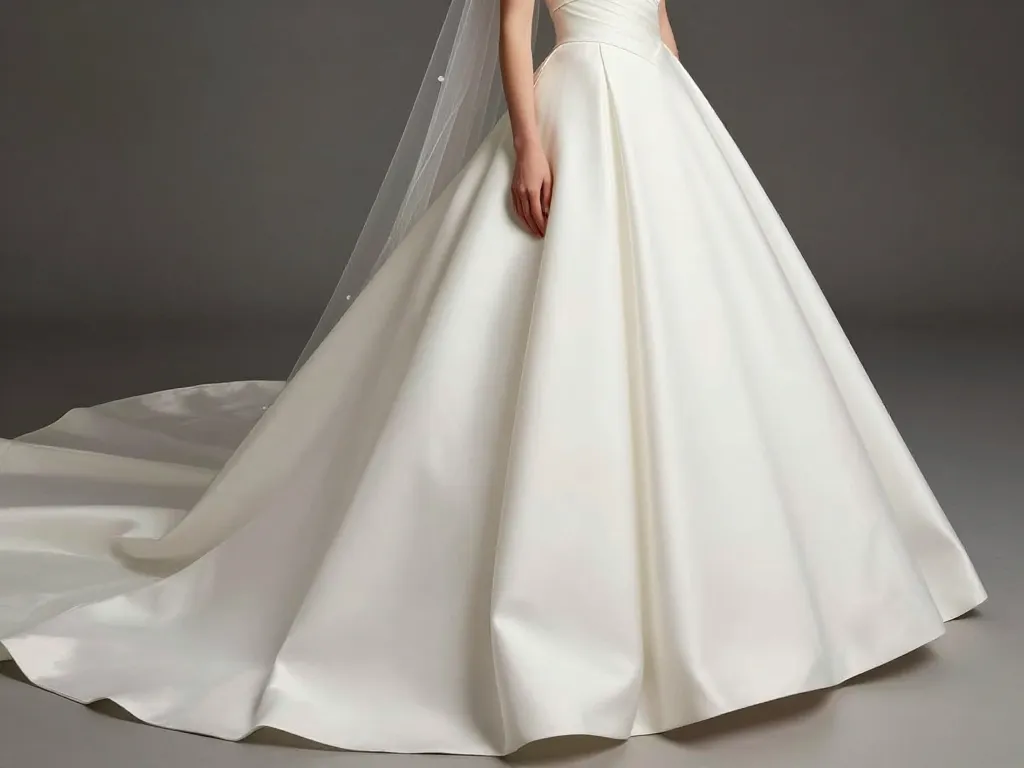
One of the most popular wedding dress sewing patterns is the traditional ball gown. This classic design features a full, flowing skirt and a fitted bodice, often with a sweetheart or scoop neckline. For a more modern take, consider a mermaid or trumpet-style dress, which hugs the body from the hips to the knees before flaring out. If you’re looking for something a little more unique, why not try a high-low or asymmetrical hem?
Fabric Selection for Your Wedding Dress Sewing Pattern
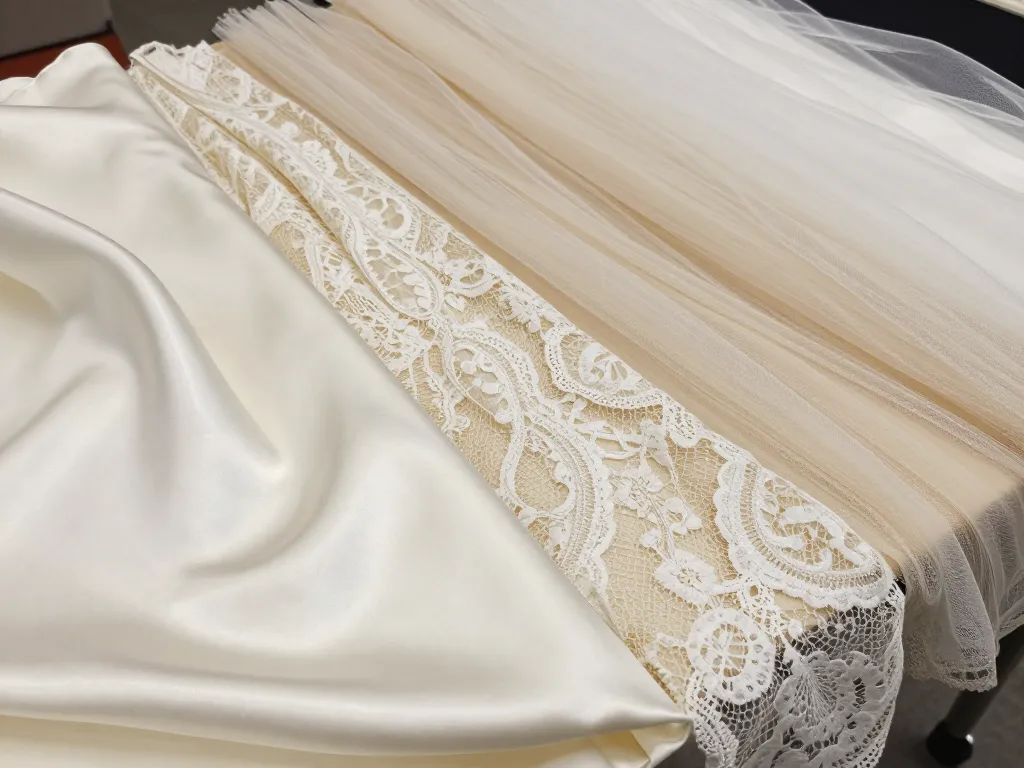
Once you’ve chosen your pattern, it’s time to think about fabric selection. The right fabric can make or break your wedding dress, so it’s essential to choose a material that drapes well, is comfortable to wear, and suits the style of your dress. For a classic ball gown, consider using a luxurious satin or silk fabric. These materials have a smooth, lustrous finish and a beautiful drape, making them perfect for creating a flowing, fairytale-inspired skirt.
For a more modern design, why not try using a lightweight, airy fabric such as tulle or organza? These materials add volume and texture to your dress, creating a dramatic, eye-catching effect. If you’re looking for something a little more unique, consider using a lace or crocheted fabric. These materials add a delicate, romantic touch to your dress, making them perfect for a vintage-inspired or bohemian wedding.
Sewing Techniques for Your Wedding Dress Sewing Patterns
When it comes to sewing your wedding dress, it’s essential to have the right techniques up your sleeve. One of the most important skills to master is working with curves.
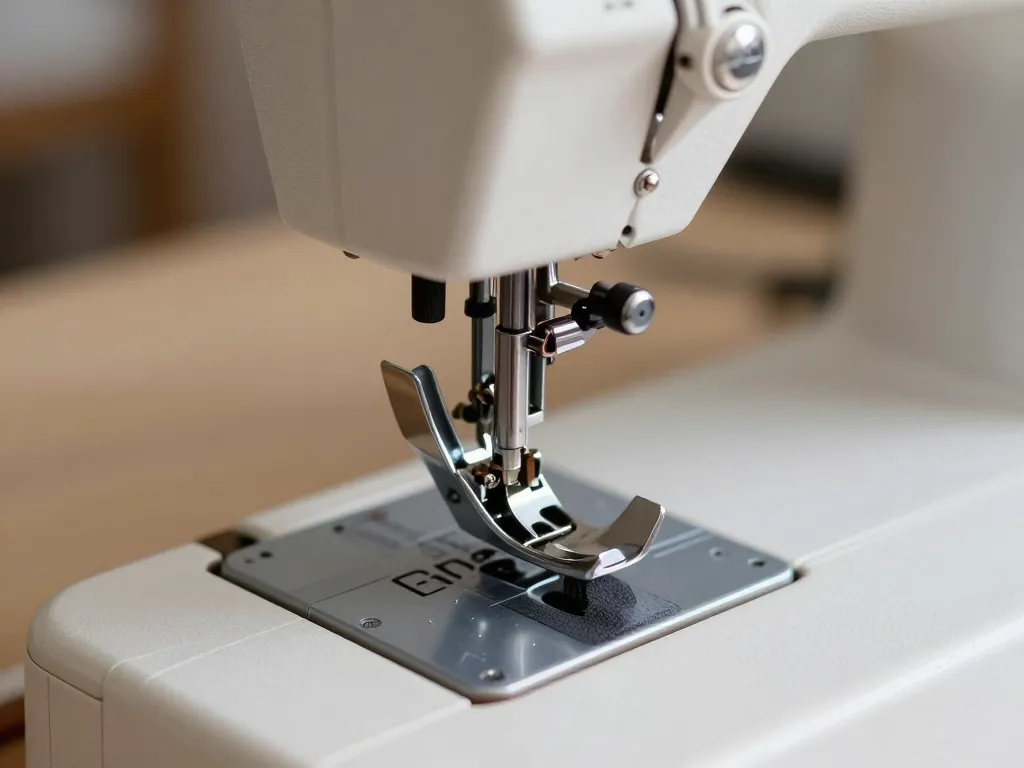
Whether you’re creating a fitted bodice or a flowing skirt, being able to sew smooth, even curves is essential. To achieve this, make sure to use a walking foot or Teflon foot on your sewing machine, as these will help guide the fabric smoothly and prevent bunching or dragging.
Another essential technique to master is gathering. Whether you’re creating a full, flowing skirt or a delicate, lace-covered bodice, gathering is a crucial skill to have.
To gather fabric, simply sew a line of stitches along the edge of the fabric, then pull the threads to gather the fabric to the desired width. This technique can be used to create a range of different effects, from delicate, romantic gathers to dramatic, voluminous folds.
Tips and Tricks for Sewing Your Wedding Dress
Sewing a wedding dress can be a daunting task, but with a few expert tips and tricks up your sleeve, you’ll be well on your way to creating a stunning, memorable look. One of the most important things to remember is to take your time.
Sewing a wedding dress is a process that requires patience, attention to detail, and a willingness to make adjustments as needed.
Another essential tip is to make a muslin prototype of your dress before cutting into your final fabric. This will allow you to test the fit and make any necessary adjustments before committing to your expensive fabric.
Finally, don’t be afraid to ask for help. Whether you’re a seasoned seamstress or a beginner, sewing a wedding dress can be a complex and overwhelming task. Consider enlisting the help of a friend or family member, or seeking out online tutorials and resources to guide you through the process.
Conclusion
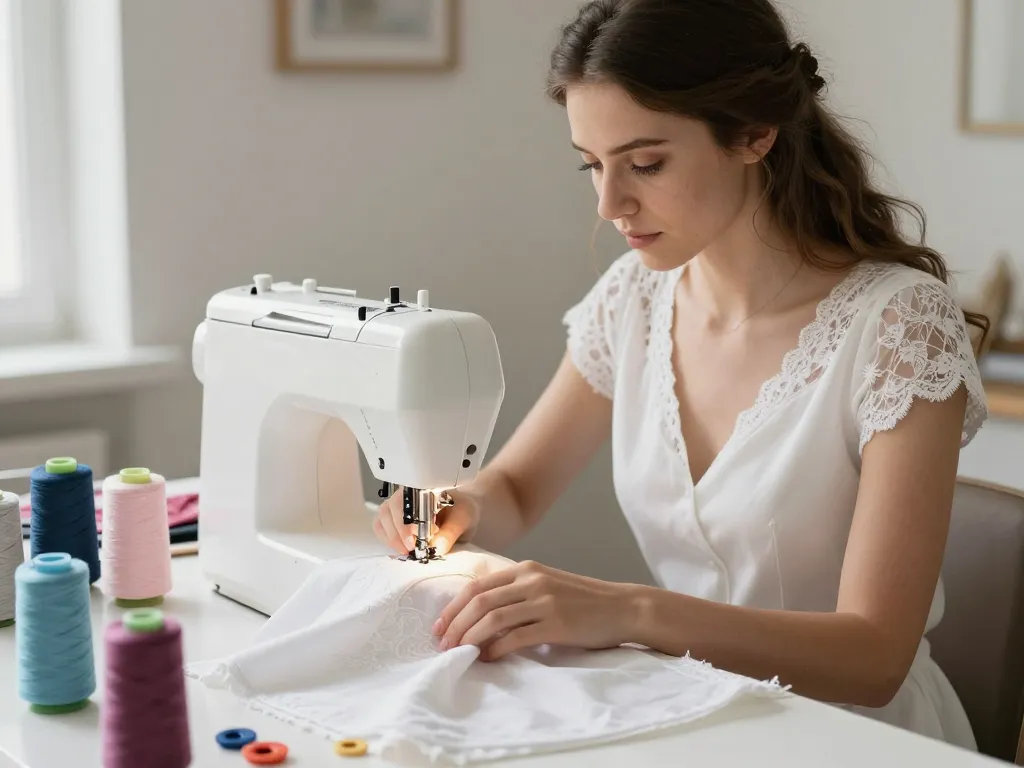
Sewing your own wedding dress can be a fun and rewarding experience, but it requires careful planning, attention to detail, and a willingness to learn and adapt.
By choosing the right pattern, fabric, and techniques, you’ll be well on your way to creating a stunning, memorable look that will make you feel like a princess on your big day.
So why not take the plunge and start sewing your wedding dress today? With patience, practice, and a little bit of creativity, you’ll be walking down the aisle in style in no time.
Ready to start sewing your dream wedding dress? Browse our collection of wedding dress sewing patterns and get started today!
read also:
0 Comments