Let’s learn how to use a sewing machine. Master the basics of sewing machine operation with our step-by-step guide, designed to help beginners feel confident and in control.
Are you eager to start sewing but intimidated by the thought of using a sewing machine? You’re not alone! Many people struggle to get started with sewing because they’re unsure about how to operate the machine. But with the right guidance, you can learn to use a sewing machine with ease. In this article, we’ll take you through a step-by-step guide on how to use a sewing machine, covering everything from setting up the machine to completing your first project.
Getting Started with Your Sewing Machine
Before you begin, make sure you have a sewing machine that suits your needs. If you’re a beginner, consider investing in a basic, mechanical machine. These machines are easier to use and more affordable than computerized models. Once you have your machine, read the user manual to understand its specific features and settings.
👋 Sounds interesting?
Explore the full offer — you might find exactly what you’ve been looking for.
Step 1: Threading the Machine
Threading the machine is often the most daunting task for beginners. However, it’s a crucial step that ensures your machine runs smoothly. To thread your machine, follow these steps:
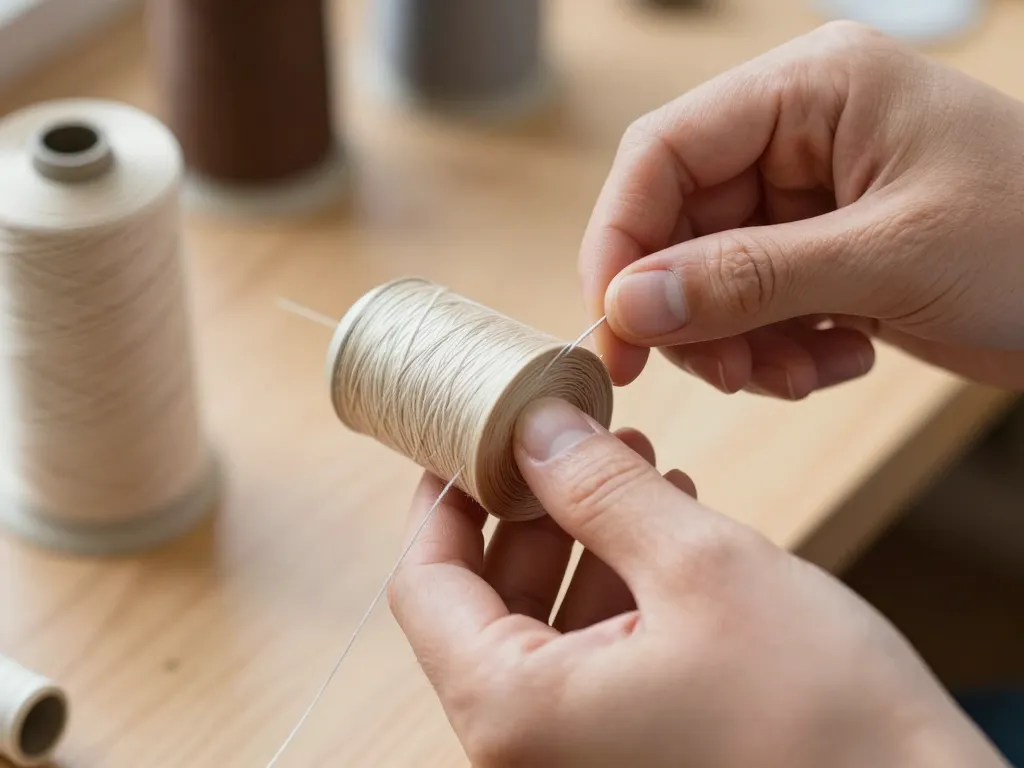
Start by locating the spool pin, which is usually located at the top of the machine. Remove any remaining thread from the spool pin, and cut a new piece of thread to the desired length. Insert one end of the thread into the machine’s tension discs, making sure it’s seated properly. Then, pull the thread gently to remove any slack. Next, pass the thread through the take-up lever, which is usually located near the presser foot. Finally, pull the thread through the machine’s needle, leaving a small tail.
Step 2: Winding the Bobbin
The bobbin is the small spool that holds the thread on the underside of the machine. To wind the bobbin, follow these steps:
Locate the bobbin winder, which is usually located on the top or side of the machine. Remove any remaining thread from the bobbin, and cut a new piece of thread to the desired length. Insert one end of the thread into the bobbin winder, making sure it’s seated properly. Then, wind the thread around the bobbin in a clockwise direction, keeping the thread taut. Once the bobbin is full, remove it from the winder, and trim the excess thread.
Step 3: Setting the Stitch Length and Width
The stitch length and width determine the size and type of stitches your machine produces. To set the stitch length and width, follow these steps:
Locate the stitch length and width dials, which are usually located on the front or side of the machine. Consult your user manual to determine the recommended settings for the type of fabric you’re using. Turn the dials to the desired settings, making sure they’re securely locked in place.
⭐ Top Pick
This is one of the most recommended options in this category. Check availability before it sells out.
Step 4: Practicing Your Stitches
Before you start sewing your project, it’s essential to practice your stitches. This will help you get a feel for the machine and ensure that your stitches are even and consistent. To practice your stitches, follow these steps:
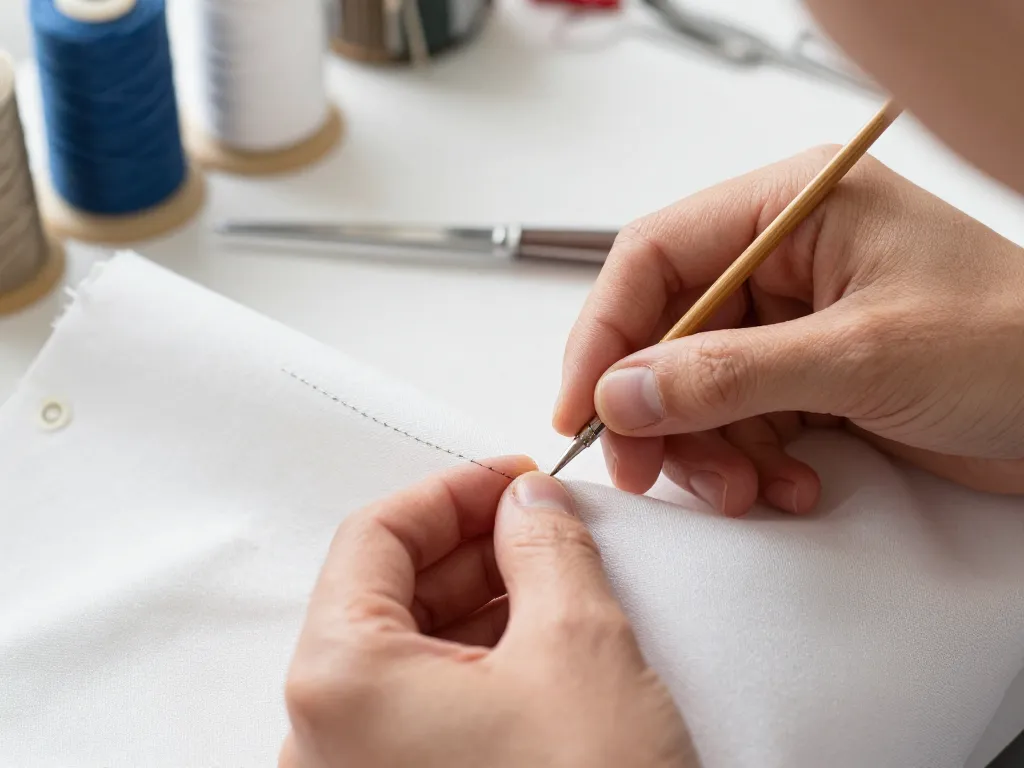
Cut a piece of scrap fabric to the desired size, and place it under the presser foot. Lower the presser foot, and begin sewing in a straight line, keeping the fabric moving at a steady pace. As you sew, adjust the stitch length and width as needed to achieve the desired results.
Step 5: Sewing Your Project
Now that you’ve practiced your stitches, it’s time to start sewing your project. Follow these steps:
Cut out your fabric pieces according to your pattern, and place them under the presser foot. Lower the presser foot, and begin sewing in a straight line, keeping the fabric moving at a steady pace. As you sew, make sure to backstitch at the beginning and end of each seam to secure it.
Tips and Tricks for Beginners
As a beginner, it’s essential to remember a few key tips and tricks to ensure your sewing experience is smooth and enjoyable. Here are a few tips to keep in mind:
Always use high-quality thread and fabric to ensure your machine runs smoothly.
Keep your machine well-maintained by regularly cleaning and oiling it.
Start with simple projects, such as a tote bag or pillowcase, to build your confidence and skills.
Don’t be afraid to make mistakes – they’re an essential part of the learning process!
Conclusion
Learning to use a sewing machine takes time and practice, but with the right guidance, you can master the basics in no time. By following these step-by-step instructions, you’ll be well on your way to becoming a confident sewer. So why not get started today? Take out your machine, and begin practicing your stitches. With patience and persistence, you’ll be creating beautiful garments and home decor items in no time. Happy sewing!
0 Comments