Master the basics of sewing with our comprehensive guide, designed for beginners. Learn to use a sewing machine, thread, sew, and troubleshoot with ease, and start creating your own projects today!
Are you new to the world of sewing and feeling overwhelmed by the thought of using a sewing machine? You’re not alone! Many people struggle to get started with sewing, but with the right guidance, you can quickly become proficient and start creating beautiful projects. In this beginner-friendly guide, we’ll take you by the hand and walk you through the process of learning to use a sewing machine, from setting it up to troubleshooting common issues.
Understanding Your Sewing Machine
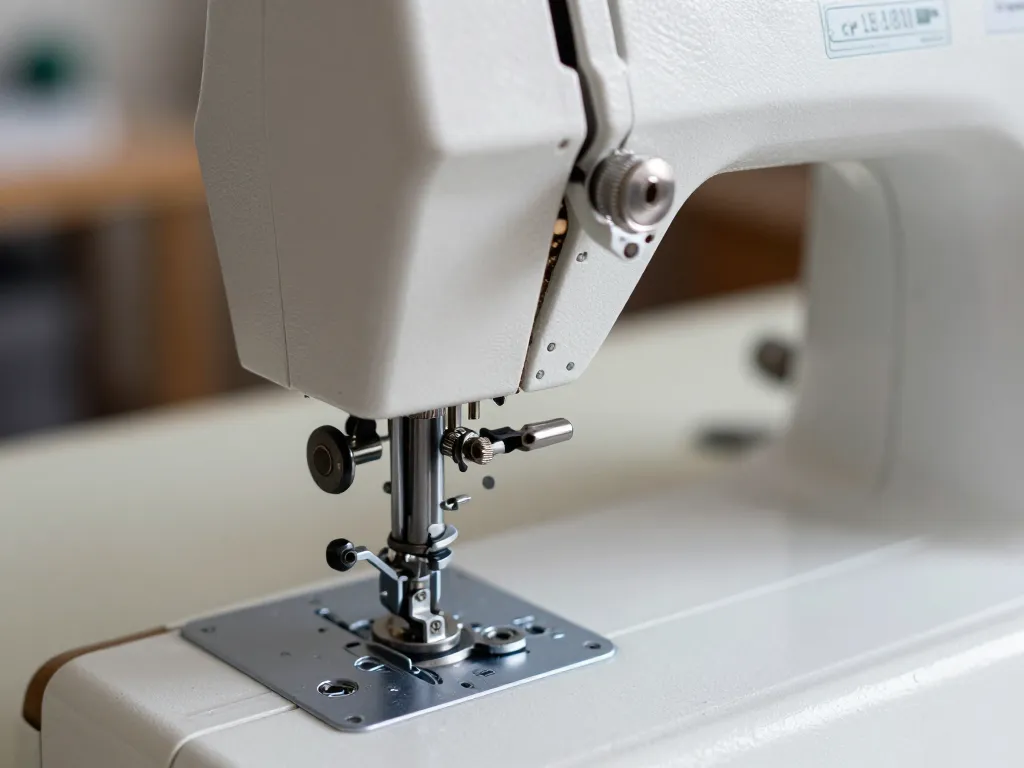
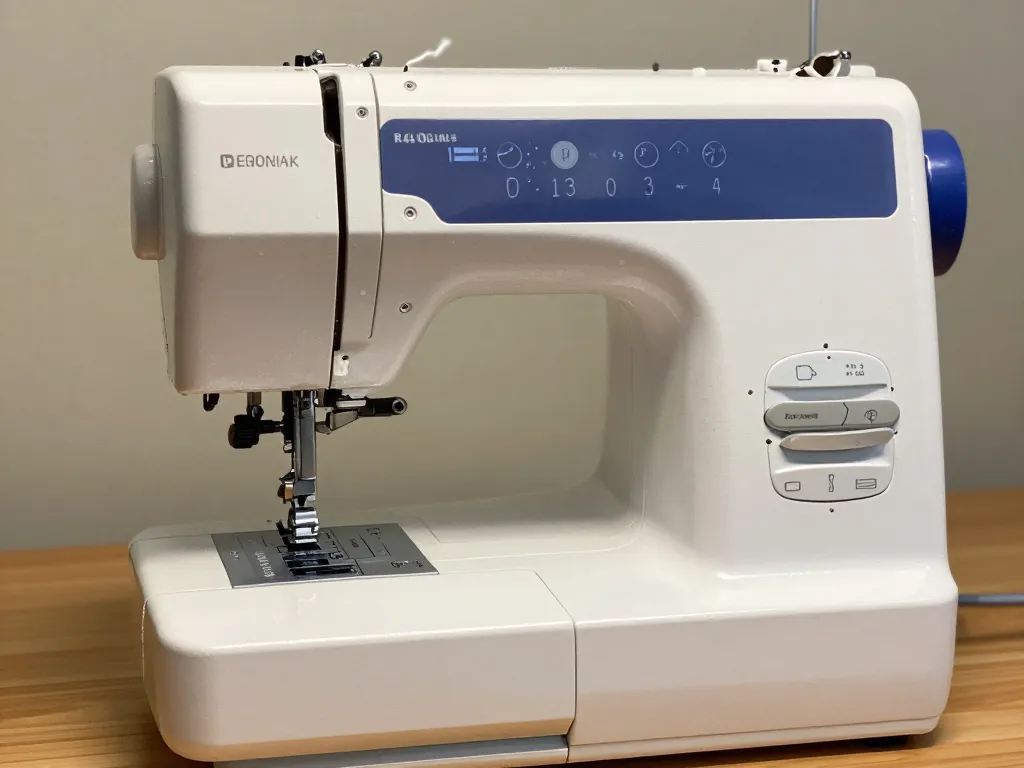
Before you start sewing, it’s essential to understand the different parts of your machine. Take some time to familiarize yourself with the various components, including the spool pin, take-up lever, and presser foot. Knowing what each part does will help you navigate the machine with confidence.
👋 Sounds interesting?
Explore the full offer — you might find exactly what you’ve been looking for.
Threading Your Sewing Machine
Threading your machine can seem like a daunting task, but it’s actually quite straightforward once you know the steps. Start by locating the spool pin and inserting the thread. Then, pull the thread through the take-up lever and guide it through the machine’s tension discs. Finally, pull the thread gently to remove any slack, and you’re ready to start sewing. Remember to always refer to your machine’s user manual if you’re unsure about the specific threading process for your model.
Basic Sewing Techniques
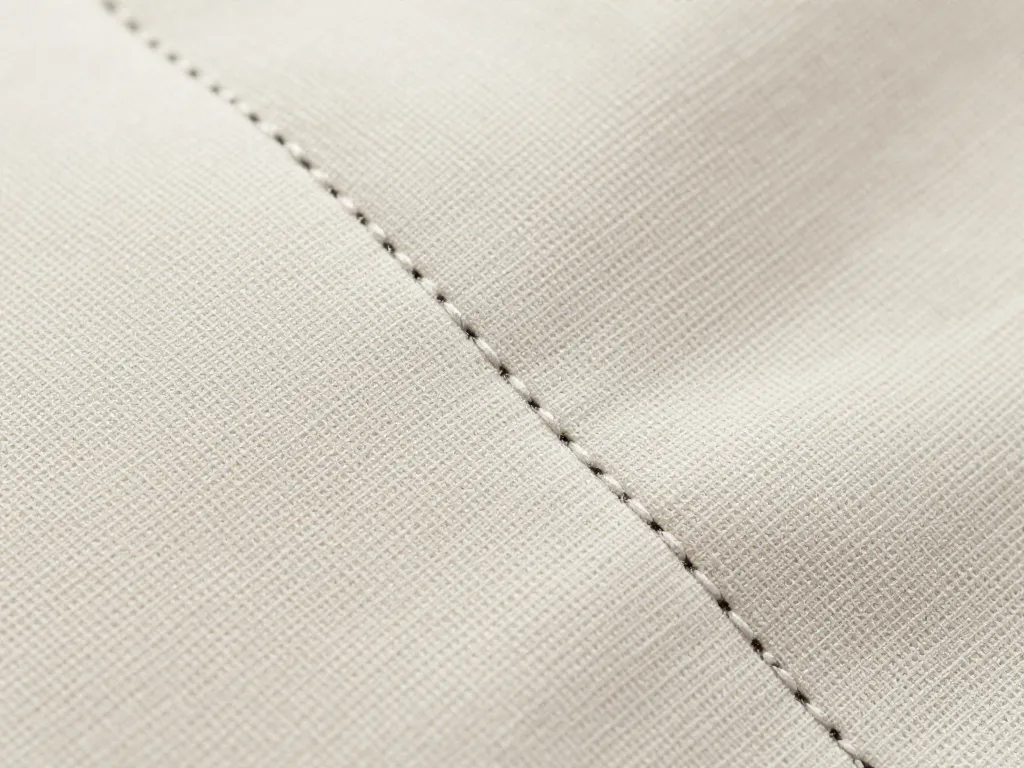
Now that your machine is threaded, it’s time to learn some basic sewing techniques. Start by practicing straight stitching on a scrap piece of fabric. This will help you get a feel for the machine and build your confidence. As you become more comfortable, you can move on to more complex stitches, such as backstitching and zigzagging. Remember to keep your fabric smooth and flat, and don’t pull the thread too tightly, as this can cause puckering.
Choosing the Right Fabric
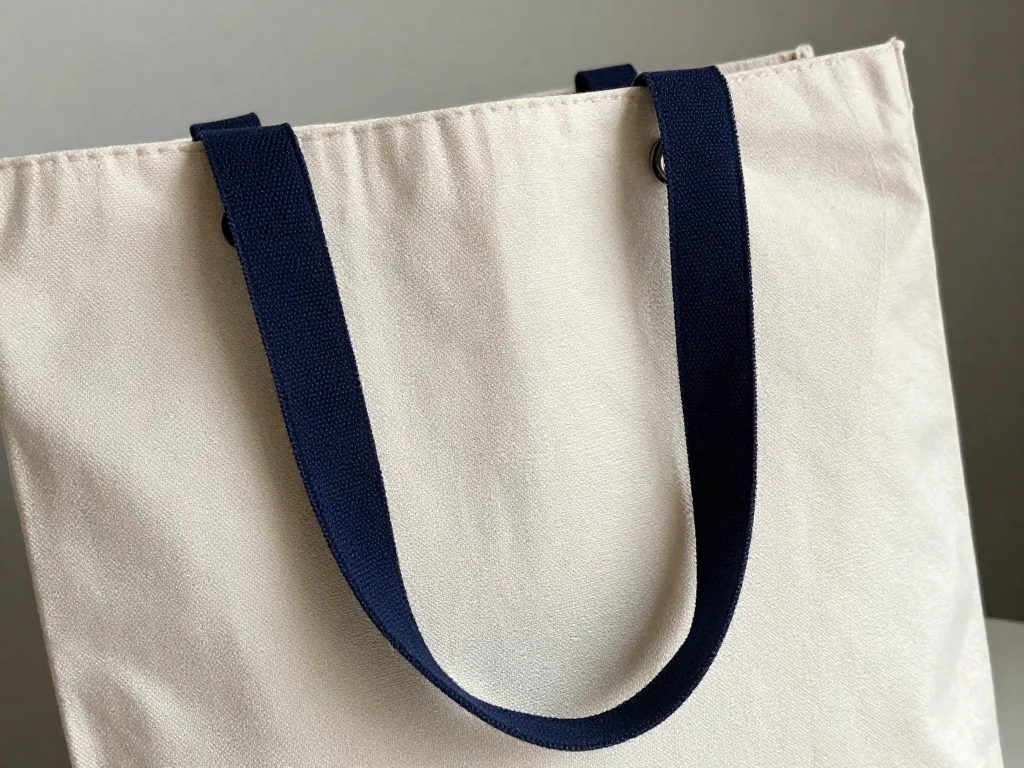
The type of fabric you choose can greatly affect the quality of your sewing project. As a beginner, it’s best to start with simple fabrics like cotton or polyester blends. Avoid delicate or slippery fabrics like silk or chiffon, as they can be challenging to work with. When selecting fabric, consider the project you want to make and choose a fabric that’s suitable for the task. For example, if you’re making a tote bag, you’ll want a sturdy fabric that can hold its shape.
Troubleshooting Common Issues
⭐ Top Pick
This is one of the most recommended options in this category. Check availability before it sells out.
Even with practice, you may encounter some common issues when using your sewing machine. One of the most frustrating problems is thread bunching or tangling. To prevent this, make sure to keep your thread at a consistent tension and avoid pulling it too tightly. If you do encounter a tangle, don’t panic! Simply stop the machine, carefully remove the thread, and rethread the machine.
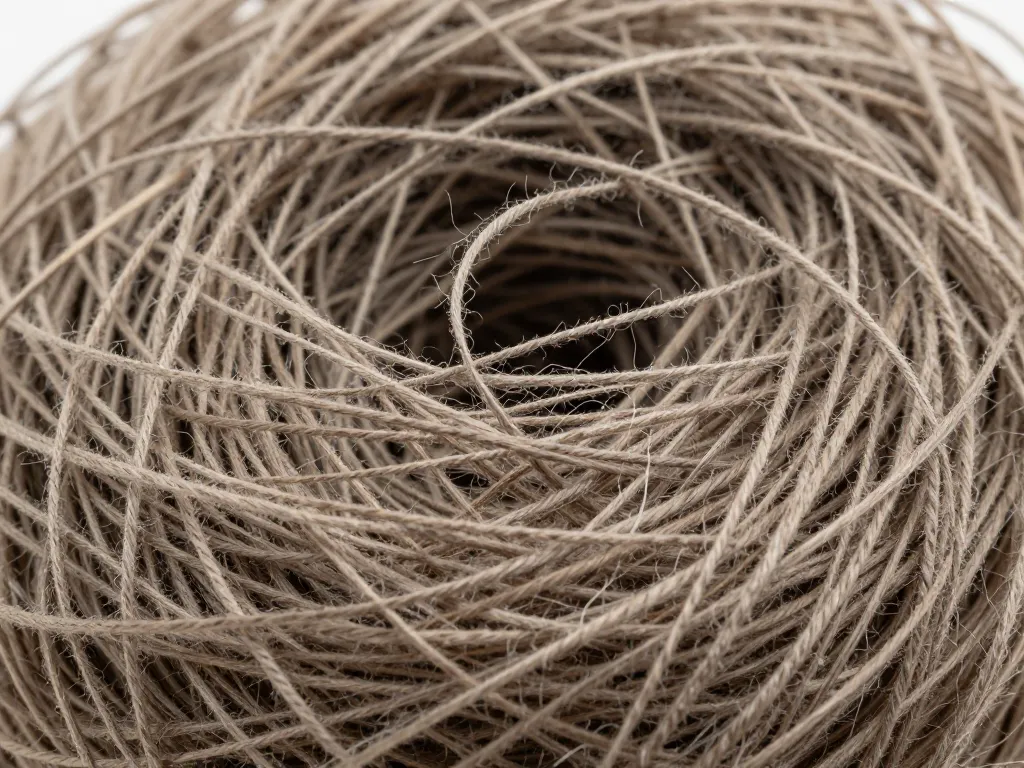
Another common issue is the machine not sewing at all. This can be due to a variety of reasons, including a faulty needle or incorrect thread tension. Check your machine’s user manual for troubleshooting guides specific to your model.
Tips for Improving Your Sewing Skills
As you become more comfortable with your sewing machine, there are several tips you can follow to improve your skills. One of the most important is to practice regularly. Set aside time each week to sew, even if it’s just for a few minutes. This will help you build muscle memory and increase your confidence.
Another tip is to watch online tutorials or take a sewing class. Seeing an experienced sewer in action can help you learn new techniques and improve your skills. Additionally, consider joining a sewing community or online forum, where you can connect with other sewers and get feedback on your projects.
Getting Started with Your First Project
Now that you’ve learned the basics of using a sewing machine, it’s time to start your first project! Choose a simple project like a pillowcase or tote bag, and follow a pattern or tutorial. Don’t be afraid to make mistakes – they’re an essential part of the learning process. As you complete your project, take pride in your accomplishment and know that you’re one step closer to becoming a skilled sewer.
Conclusion
Learning to use a sewing machine takes time and practice, but with patience and persistence, you can become a skilled sewer. Remember to start with the basics, practice regularly, and don’t be afraid to ask for help. With this beginner-friendly guide, you’ll be well on your way to creating beautiful projects and enjoying the many benefits of sewing. So why wait? Get started today and discover the joy of sewing!
0 Comments