Learn how to sew a wedding dress with this complete DIY bridal sewing guide. Discover wedding dress patterns, fabric choices, sewing techniques, fitting tips, and expert dressmaking advice for beginners and advanced sewists in 2026.
Introduction
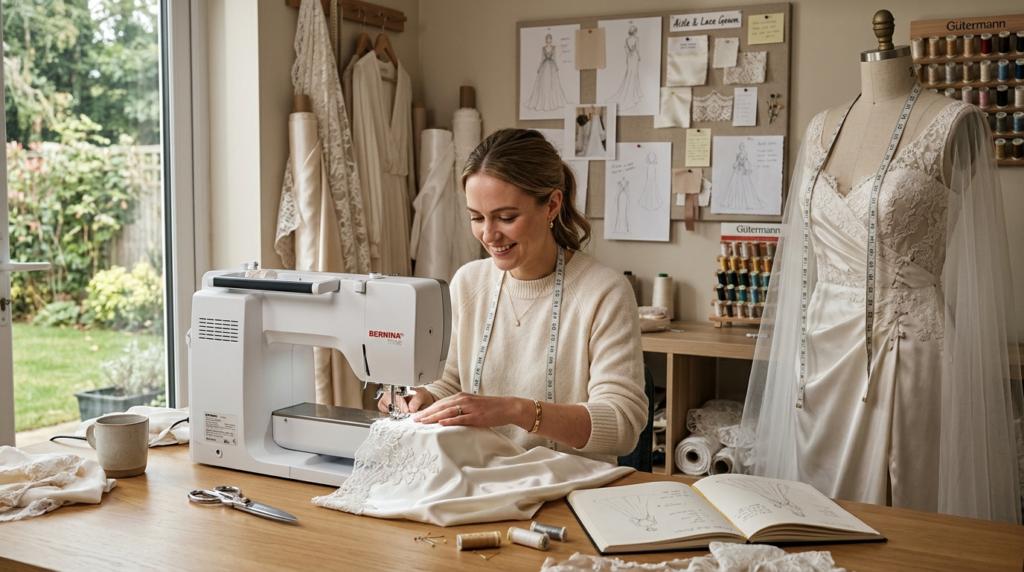
Dreaming of creating your own wedding gown? You’re not alone! More brides and sewing enthusiasts are searching for how to sew a wedding dress as custom bridal fashion and handmade wedding trends continue to rise in 2026. A handmade wedding dress is more than just clothing—it’s a deeply personal creation filled with creativity, craftsmanship, and unforgettable memories.
While sewing a bridal gown may sound intimidating at first, it becomes far more manageable when broken down into simple steps. From choosing the perfect wedding dress sewing pattern to selecting luxurious fabrics and mastering bridal sewing techniques, this guide will walk you through the entire process.
Whether you want a romantic lace gown, a minimalist satin dress, or a vintage-inspired bridal silhouette, learning how to sew a wedding dress allows you to create a one-of-a-kind gown tailored perfectly to your style, body shape, and wedding vision.
Choosing the Right Wedding Dress Sewing Pattern
Choosing the perfect wedding dress sewing pattern is one of the most important steps when learning how to sew a wedding dress. The sewing pattern acts as the foundation of your entire bridal gown project, influencing everything from the dress silhouette and fabric choice to construction difficulty and final fit.
Because wedding dresses often involve delicate fabrics, detailed fitting, and elegant finishing techniques, selecting the right bridal sewing pattern can make the sewing process far smoother and more enjoyable. Whether you are creating a minimalist satin gown, a romantic lace bridal dress, or a dramatic couture-inspired silhouette, starting with the right wedding gown sewing pattern helps you avoid unnecessary frustration and costly mistakes.
In 2026, modern sewists have access to more bridal sewing resources than ever before, including downloadable PDF patterns, multi-size bridal templates, and customizable wedding gown designs suitable for both beginners and advanced dressmakers.
Understanding Beginner vs Advanced Bridal Sewing Patterns
Not all wedding dress sewing patterns are created for the same skill level. Some bridal gown patterns are designed specifically for beginners, while others require advanced couture sewing techniques and precise garment construction knowledge.
If you are new to bridal sewing, starting with a beginner-friendly wedding dress sewing pattern is highly recommended. Simple bridal designs allow you to build confidence while learning essential dressmaking skills without becoming overwhelmed.
Beginner bridal sewing patterns often include:
- Simple silhouettes with fewer seams
- Minimal boning and structure
- Elastic or easy zipper closures
- Basic sleeve construction
- Straightforward bodice assembly
- Clear step-by-step instructions
Advanced bridal gown sewing patterns, however, may involve:
- Corset bodices and boning
- Complex draping techniques
- Intricate lace appliqué placement
- Couture hand-sewing finishes
- Multiple lining layers
- Cathedral trains and dramatic skirts
- Delicate fabric handling
Many experienced sewists enjoy advanced bridal projects because they allow for more luxurious details and professional couture-inspired construction. However, even advanced sewists often create muslin mockups before cutting expensive bridal fabric.
When selecting a wedding gown sewing pattern, honestly evaluating your current skill level can save time, reduce stress, and improve the final result.
Selecting Silhouettes That Match Wedding Themes
Your chosen wedding dress sewing pattern should complement both your personal style and the overall wedding theme. Different bridal silhouettes create completely different moods and aesthetics, making silhouette selection a major part of wedding gown planning.
For example:
- Romantic garden weddings often pair beautifully with soft flowing bridal gowns
- Formal ballroom weddings suit dramatic structured dresses
- Beach weddings work best with lightweight and relaxed silhouettes
- Vintage weddings often feature retro-inspired bridal details
- Minimalist ceremonies favor clean modern gown lines
A thoughtfully selected bridal sewing pattern helps create visual harmony between the dress, venue, season, and overall wedding atmosphere.
Some important factors to consider include:
- Venue location
- Wedding season
- Comfort and mobility
- Desired level of formality
- Fabric drape and structure
- Personal body shape and style preferences
Modern bridal fashion trends in 2026 continue blending timeless elegance with comfort, making softer silhouettes and lightweight fabrics increasingly popular among DIY brides.
A-Line, Mermaid, Ball Gown, and Sheath Dress Styles
Understanding popular bridal silhouettes helps narrow down the best wedding dress sewing pattern for your project. Each style creates a unique shape and requires different sewing techniques.
A-Line Wedding Dresses
A-line gowns remain one of the most popular choices for both beginner and advanced bridal sewing projects. These dresses gently flare from the waist downward, creating a flattering and elegant silhouette.
Benefits of A-line wedding dress sewing patterns include:
- Universally flattering shape
- Easier fitting adjustments
- Comfortable movement
- Suitable for many fabric types
- Beginner-friendly construction
A-line bridal gowns work beautifully for traditional, romantic, and outdoor weddings.
Mermaid Wedding Dresses
Mermaid silhouettes create dramatic body-contouring shapes that flare below the knees. These fitted gowns are ideal for glamorous and formal bridal looks.
Mermaid bridal gown sewing patterns often require:
- Precise fitting adjustments
- Structured bodice construction
- Advanced seam shaping
- Stretch or carefully tailored fabrics
Because of their fitted design, mermaid dresses are usually better suited for intermediate or advanced sewists.
Ball Gown Wedding Dresses
Ball gown silhouettes feature fitted bodices paired with voluminous skirts, creating classic fairy-tale bridal aesthetics.
These dramatic wedding dress sewing patterns often include:
- Layers of tulle or organza
- Structured corset bodices
- Full petticoats
- Extensive fabric yardage
Ball gowns are ideal for formal weddings and luxurious bridal fashion styles.
Sheath Wedding Dresses
Sheath bridal gowns create sleek, minimalist silhouettes that skim the body naturally without dramatic volume.
Minimalist wedding gown sewing patterns are especially popular in 2026 due to the rise of modern bridal fashion and quiet luxury aesthetics.
Advantages of sheath dresses include:
- Elegant simplicity
- Lightweight comfort
- Minimal fabric bulk
- Contemporary bridal appearance
Satin, crepe, and silk fabrics are especially beautiful for sheath-style bridal gowns.
PDF Sewing Patterns vs Printed Bridal Patterns
Modern sewists can now choose between digital PDF wedding dress sewing patterns and traditional printed bridal patterns. Both options offer advantages depending on personal preferences and sewing workflow.
PDF Wedding Dress Sewing Patterns
PDF patterns are downloaded instantly and printed at home or through professional printing services.
Advantages include:
- Immediate access after purchase
- Convenient online storage
- Reprintable files
- Affordable pricing
- Access to independent bridal pattern designers
However, PDF patterns usually require assembling printed pages together before use.
Printed Bridal Patterns
Traditional printed bridal sewing patterns are physically purchased through fabric stores or sewing brands.
Advantages include:
- Ready-to-use large format sheets
- No printing or taping required
- Familiar format for experienced sewists
- Durable storage options
Many modern sewists prefer PDF wedding dress sewing patterns because they offer convenience, flexibility, and access to modern bridal fashion trends online.
Multi-Size Wedding Dress Patterns for Fitting Flexibility
One of the biggest benefits of modern bridal sewing patterns is the availability of multi-size options. These patterns include several sizes within one package or digital file, allowing sewists to blend between measurements for a better custom fit.
This flexibility is especially important because:
- Most bodies do not perfectly match standard pattern sizes
- Bridal gowns require accurate shaping
- Bust, waist, and hip measurements may fall into different sizes
- Alterations are easier with adjustable sizing options
A multi-size wedding dress sewing pattern allows you to:
- Customize fit more precisely
- Adjust silhouettes gradually
- Improve comfort and movement
- Create more professional-looking results
Custom fitting is one of the biggest advantages of sewing your own wedding dress instead of purchasing ready-made bridal fashion.
Importance of Detailed Sewing Instructions
The quality of instructions included with a wedding dress sewing pattern can dramatically affect your sewing experience. Bridal sewing involves many delicate construction steps, making clear guidance especially important.
A well-designed bridal sewing pattern should include:
- Step-by-step construction instructions
- Clear illustrations and diagrams
- Fabric recommendations
- Cutting layouts
- Notions and materials lists
- Seam allowance information
- Zipper and lining guidance
- Difficulty ratings
Some modern bridal pattern designers even provide:
- Video tutorials
- Online sewing support
- Pattern hacks and customization ideas
- Community sewing groups
Detailed instructions are especially valuable for beginners learning how to sew a wedding dress, as they help reduce confusion during complicated bridal sewing techniques.
Customizable Bridal Gown Pattern Options
Many sewists today prefer customizable wedding dress sewing patterns because they allow greater creative freedom and personalization. Instead of following one exact design, customizable bridal patterns let you mix and match various elements to create a unique gown.
Popular customization options include:
- Sleeve variations
- Neckline adjustments
- Train length options
- Different skirt fullness levels
- Corset or zipper back choices
- Lace overlay additions
- Modest bridal modifications
Customizable bridal gown sewing patterns are especially popular in 2026 because brides increasingly want unique handmade dresses that reflect their individual personality and wedding vision.
Some sewists even combine multiple wedding dress sewing patterns together to create entirely custom bridal gowns inspired by couture fashion.
Ultimately, choosing the right wedding dress sewing pattern is about balancing skill level, comfort, style preferences, and wedding aesthetics. By selecting a bridal sewing pattern that fits your experience and vision, you’ll create a smoother sewing experience and a far more beautiful handmade wedding gown.
Best Fabrics for Sewing a Wedding Dress
Choosing the right fabric is one of the most important decisions when learning how to sew a wedding dress. Even the most beautiful wedding dress sewing pattern can look completely different depending on the fabric you choose. Bridal fabrics affect the gown’s silhouette, movement, structure, comfort, and overall luxury appearance.
When planning how to sew a wedding dress, many beginners focus only on the dress design while overlooking the importance of fabric selection. In reality, fabric choice can dramatically influence how easy or difficult the bridal sewing process becomes. Some fabrics are beginner-friendly and forgiving, while others require advanced bridal sewing techniques and careful handling.
The best fabric for your wedding dress sewing project depends on:
- Your bridal gown silhouette
- Wedding theme and season
- Desired level of structure or softness
- Sewing experience level
- Comfort and movement preferences
- Budget for bridal materials
Modern bridal fashion in 2026 continues embracing both timeless elegance and minimalist luxury, making fabric selection more important than ever when learning how to sew a wedding dress successfully.
Satin Fabric for Luxurious Bridal Elegance
Satin remains one of the most iconic fabrics used in wedding dress sewing because of its luxurious shine, smooth texture, and elegant drape. Many brides choosing how to sew a wedding dress prefer satin because it instantly creates a sophisticated bridal appearance.
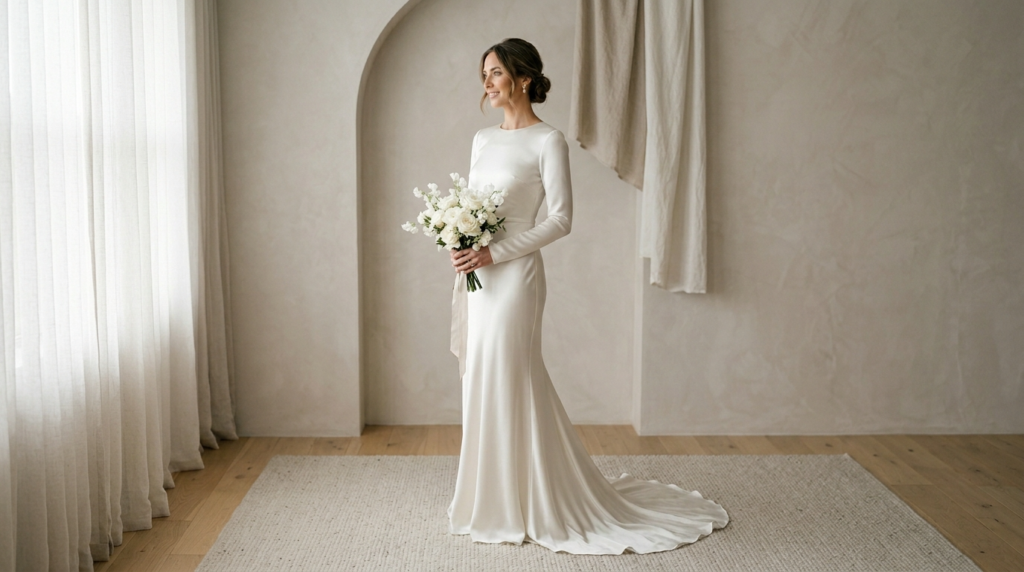
Satin works beautifully for:
- Minimalist bridal gowns
- A-line wedding dresses
- Mermaid silhouettes
- Ball gown bodices
- Formal cathedral wedding dresses
A satin wedding dress sewing pattern often creates a clean and polished bridal silhouette that photographs beautifully under natural and indoor lighting.
Popular satin fabric types include:
- Duchess satin
- Stretch satin
- Silk satin
- Matte satin
- Charmeuse satin
When learning how to sew a wedding dress with satin fabric, it’s important to understand that satin can be slippery and delicate. Precision cutting and careful pinning help prevent shifting during sewing.
Benefits of satin for bridal gown sewing:
- Elegant glossy appearance
- Luxurious texture
- Beautiful fabric drape
- Timeless bridal aesthetic
- Ideal for formal wedding gowns
However, satin may show needle marks, wrinkles, and seam imperfections more easily than textured fabrics, making careful sewing techniques especially important.
Chiffon Fabric for Soft Flowing Movement
Chiffon is another highly popular fabric choice for brides researching how to sew a wedding dress, especially for romantic and lightweight bridal styles. Chiffon creates soft movement and airy elegance, making it ideal for flowing wedding gowns.
Chiffon is commonly used in:
- Bohemian wedding dresses
- Layered bridal skirts
- Soft bridal sleeves
- Romantic overlay details
- Beach wedding gowns
A chiffon wedding dress sewing pattern creates graceful movement while maintaining a soft feminine silhouette. This lightweight fabric is especially beautiful for outdoor weddings and modern minimalist bridal fashion.
Advantages of chiffon in wedding dress sewing:
- Lightweight and breathable
- Elegant flowing movement
- Soft romantic appearance
- Beautiful layered effects
- Comfortable for warm-weather weddings
Because chiffon is thin and delicate, sewing it requires patience and careful fabric handling. Many sewists use fine needles and lightweight thread when learning how to sew a wedding dress using chiffon fabrics.
Chiffon pairs beautifully with:
- Satin linings
- Lace overlays
- Tulle layers
- Soft gathered skirts
Its airy texture helps create dreamy bridal silhouettes without adding excessive weight to the gown.
Lace Overlays and Decorative Bridal Details
Lace is one of the most recognizable fabrics associated with wedding dress sewing and bridal couture fashion. Many brides learning how to sew a wedding dress choose lace because it instantly adds elegance, romance, and timeless bridal detail.
Lace can be used for:
- Sleeves
- Bodice overlays
- Neckline details
- Trains
- Full gown overlays
- Decorative appliqué accents
Popular lace styles for bridal gown sewing include:
- Chantilly lace
- Alençon lace
- Guipure lace
- Embroidered lace
- Beaded lace
A lace wedding dress sewing pattern often combines multiple fabrics together, such as satin bases with lace overlays or chiffon skirts with lace bodices.
Benefits of lace in how to sew a wedding dress projects include:
- Romantic bridal appearance
- Luxurious couture-inspired texture
- Vintage bridal elegance
- Intricate decorative detail
- Endless customization possibilities
Many bridal sewists also hand-place lace appliqués individually to create custom couture-inspired wedding gowns.
Working with lace requires careful pattern placement to maintain symmetry, especially around necklines and sleeves. However, the final result can look incredibly elegant and professional.
Tulle Fabric for Volume and Dramatic Skirts
Tulle is essential in many dramatic wedding dress sewing patterns because it creates volume, softness, and bridal fullness without adding excessive weight.
Brides learning how to sew a wedding dress often use tulle for:
- Ball gown skirts
- Layered bridal underskirts
- Veils
- Sleeves
- Decorative overlays
- Trains and dramatic silhouettes
Tulle helps create the classic fairy-tale bridal aesthetic seen in formal wedding gowns.
Advantages of tulle for bridal gown sewing:
- Lightweight volume
- Soft layered texture
- Romantic appearance
- Affordable compared to luxury fabrics
- Easy layering for dramatic effects
Different types of tulle include:
- Soft bridal tulle
- Illusion tulle
- Glitter tulle
- Structured tulle
- Silk tulle
Soft tulle is often preferred when learning how to sew a wedding dress because it feels more comfortable against the skin and creates more elegant movement.
Many bridal gowns combine tulle with satin or chiffon to balance structure and softness beautifully.
Organza for Structured Lightweight Layers
Organza is a lightweight yet structured fabric commonly used in formal wedding dress sewing projects. Brides looking for elegant volume without heavy fabric often choose organza for bridal skirts and layered details.
Organza works especially well for:
- Ball gown layers
- Overskirts
- Structured sleeves
- Bridal ruffles
- Formal wedding silhouettes
Unlike chiffon, organza holds its shape more firmly, helping create dramatic bridal volume and architectural silhouettes.
Benefits of organza in how to sew a wedding dress projects:
- Lightweight structure
- Crisp elegant appearance
- Luxurious translucent texture
- Excellent for layered skirts
- Adds dramatic bridal dimension
However, organza can wrinkle easily and may fray during sewing, making seam finishing important for professional bridal construction.
Many couture-inspired wedding dress sewing patterns use organza to create elegant movement while maintaining gown structure.
Crepe Fabric for Minimalist Wedding Dresses
Minimalist bridal fashion continues trending strongly in 2026, making crepe fabric increasingly popular among brides researching how to sew a wedding dress.
Crepe creates smooth, modern silhouettes with subtle texture and soft drape. It is especially common in:
- Sheath wedding dresses
- Minimalist bridal gowns
- Contemporary bridal fashion
- Sleek fitted silhouettes
Advantages of crepe for wedding dress sewing include:
- Elegant matte finish
- Soft comfortable texture
- Modern minimalist appearance
- Smooth body-skimming drape
- Sophisticated simplicity
Many brides prefer crepe because it creates understated luxury without excessive embellishment. Crepe also photographs beautifully and works well for modern city weddings and minimalist bridal aesthetics.
A crepe wedding dress sewing pattern often focuses more on silhouette and fit rather than heavy decorative details.
Fabric Lining Choices for Comfort and Support
When learning how to sew a wedding dress, lining fabrics are just as important as outer bridal fabrics. A proper lining improves comfort, support, durability, and the overall professional appearance of the gown.
Bridal lining fabrics help:
- Prevent transparency
- Improve structure
- Reduce fabric irritation
- Support delicate outer fabrics
- Create smoother silhouettes
Common lining fabrics used in bridal gown sewing include:
- Lightweight satin lining
- Cotton voile
- Silk lining
- Polyester bridal lining
- Stretch lining fabrics
The best lining depends on the outer fabric and desired comfort level. For example:
- Satin gowns often use soft slippery linings
- Lace dresses require smooth underlayers
- Structured gowns may need additional support fabrics
Comfort becomes especially important because brides typically wear wedding dresses for many hours during ceremonies, photos, and receptions.
Professional bridal sewists carefully choose lining materials to ensure the handmade gown feels as beautiful as it looks.
Ultimately, fabric selection plays a massive role in learning how to sew a wedding dress successfully. The right bridal fabrics not only enhance the final appearance of the gown but also improve sewing experience, comfort, and overall bridal elegance.
Step-by-Step Guide on How to Sew a Wedding Dress
Learning how to sew a wedding dress may seem overwhelming at first, but breaking the process into manageable steps makes bridal sewing far more achievable. Whether you are creating a minimalist satin gown, a romantic lace bridal dress, or a dramatic ball gown silhouette, careful planning and precise sewing techniques are essential for achieving professional results.
Unlike regular dressmaking projects, wedding dress sewing often involves delicate fabrics, detailed fitting adjustments, layered construction, and couture-inspired finishing techniques. Taking your time throughout each stage is one of the biggest secrets to successfully learning how to sew a wedding dress.
This step-by-step bridal sewing guide covers the essential stages of creating a beautiful handmade wedding gown from start to finish.
Preparing and Prewashing Wedding Fabrics
Before beginning any wedding dress sewing project, preparing your fabrics properly is extremely important. Many beginners learning how to sew a wedding dress skip fabric preparation, only to encounter shrinking, wrinkling, or texture changes later.
Prewashing helps:
- Remove fabric chemicals and finishes
- Prevent future shrinking
- Relax fabric fibers
- Improve fabric softness
- Ensure accurate final sizing
Not all bridal fabrics should be machine washed, however. Different wedding fabrics require different preparation methods.
For example:
- Cotton linings may be gently prewashed
- Satin often requires dry cleaning or steaming
- Lace should be handled delicately
- Silk fabrics may require professional cleaning
- Tulle usually does not need washing
Always test a small fabric sample first before treating expensive bridal materials.
Proper fabric preparation is one of the most overlooked but essential parts of learning how to sew a wedding dress professionally.
Cutting Bridal Fabric Carefully and Accurately
Accurate fabric cutting is critical in wedding dress sewing because even small mistakes can affect the gown’s final fit and appearance. Bridal fabrics are often slippery, delicate, or sheer, making precision especially important.
When learning how to sew a wedding dress, many sewists choose to:
- Use large cutting tables
- Cut fabric in single layers
- Use sharp fabric scissors or rotary cutters
- Secure fabric with pattern weights
- Follow grainlines carefully
Before cutting:
- Double-check all pattern markings
- Confirm fabric direction and nap
- Pin or clip patterns securely
- Measure twice before cutting
Delicate fabrics like satin and chiffon can shift easily during cutting, so working slowly helps maintain accuracy.
Many advanced bridal sewists also create muslin mockups before cutting expensive wedding fabric. This allows fitting adjustments without risking costly mistakes on final bridal materials.
Careful cutting is one of the most important technical skills when mastering how to sew a wedding dress successfully. Read also evening gown patterns
Reading Sewing Pattern Instructions Properly
A high-quality wedding dress sewing pattern usually contains detailed construction steps, fabric guides, cutting layouts, and sewing techniques. Taking time to fully understand the instructions before starting helps prevent confusion later.
When learning how to sew a wedding dress, it’s helpful to:
- Read all instructions completely before sewing
- Highlight unfamiliar techniques
- Organize pattern pieces carefully
- Identify required notions and materials
- Understand seam allowances and markings
Many beginner bridal sewing mistakes happen because sewists rush into construction without fully reviewing the pattern instructions first.
Modern bridal sewing patterns may also include:
- Video tutorials
- Step-by-step illustrations
- Online sewing support groups
- Fit adjustment guides
Understanding the entire sewing sequence beforehand helps make the bridal construction process much smoother.
Sewing the Bodice and Structural Components
The bodice is one of the most important parts of wedding dress sewing because it determines much of the gown’s fit, support, and silhouette.
When learning how to sew a wedding dress, the bodice usually includes:
- Bust shaping
- Waist structure
- Darts or princess seams
- Boning channels
- Lining layers
- Support fabrics
Structured bridal bodices often require additional stabilization to maintain shape throughout the wedding day.
Common bridal support materials include:
- Boning
- Interfacing
- Bra cups
- Waist stays
- Corset foundations
Precision sewing is especially important here because visible seam inaccuracies can affect the overall appearance of the bridal gown.
Many advanced bridal gowns use couture sewing techniques such as:
- Hand basting
- Understitching
- Layered seam finishing
- Hidden structural stitching
The bodice fitting stage often requires multiple fittings and adjustments to achieve a smooth, comfortable silhouette.
Creating Sleeves, Straps, or Neckline Details
Sleeves and neckline details dramatically influence the overall style of a wedding dress sewing pattern. Whether you choose romantic lace sleeves, minimalist straps, or dramatic off-shoulder designs, these details add personality and bridal elegance.
Popular bridal sleeve styles include:
- Long lace sleeves
- Puff sleeves
- Illusion sleeves
- Off-shoulder sleeves
- Cap sleeves
- Sleeveless bodices
Many brides learning how to sew a wedding dress prefer long sleeves because they create timeless elegance and work beautifully with lace fabrics.
Neckline options commonly include:
- Sweetheart necklines
- V-neck bridal gowns
- High neck lace details
- Strapless bodices
- Square neck silhouettes
Delicate bridal details often require careful hand-finishing to maintain clean professional edges.
Attaching Skirts and Layered Fabrics
Attaching the skirt is one of the most exciting parts of learning how to sew a wedding dress because the gown finally begins to look complete.
Wedding dress skirts may include:
- Satin base layers
- Chiffon overlays
- Tulle volume layers
- Lace appliqué details
- Trains and dramatic extensions
Depending on the wedding dress sewing pattern, skirts may be:
- Gathered
- Pleated
- Circle-cut
- Bias-cut
- Multi-layered
Large bridal skirts require careful handling because heavy fabric layers can shift during sewing.
Many sewists use:
- Temporary hand basting
- Extra fabric clips
- Walking feet for sewing machines
- Layer-by-layer construction methods
Taking time during skirt attachment helps ensure smooth waistlines and balanced gown movement.
Installing Invisible Zippers or Corset Backs
Closures are another important part of wedding dress sewing. The two most common bridal closure styles are invisible zippers and corset backs.
Invisible Zippers
Invisible zippers create sleek modern bridal silhouettes and are commonly used in minimalist wedding gowns.
Benefits include:
- Clean professional appearance
- Hidden closure design
- Smooth back silhouette
- Faster dressing process
However, invisible zipper installation requires precision sewing and careful alignment.
Corset Backs
Corset backs are popular in romantic and dramatic bridal styles because they provide adjustable fitting and elegant detailing.
Benefits include:
- Flexible fit adjustments
- Waist shaping support
- Decorative bridal appearance
- Comfortable wearability
Many brides learning how to sew a wedding dress choose corset backs because they allow slight sizing flexibility during fittings.
Sewing Bridal Linings and Support Layers
Linings are essential in professional bridal gown sewing because they improve comfort, support, and garment durability.
Wedding dress linings help:
- Reduce transparency
- Protect delicate outer fabrics
- Improve gown structure
- Create smooth interior finishes
- Enhance comfort during long wear
Common support layers include:
- Interfacing
- Boning
- Crinoline
- Horsehair braid
- Inner tulle support
Many couture bridal gowns include multiple hidden support layers that help maintain the gown’s silhouette throughout the wedding day.
Proper lining construction is one of the key techniques that separates professional bridal sewing from beginner dressmaking.
Hemming Floor-Length Wedding Gowns Evenly
Hemming is one of the final major steps when learning how to sew a wedding dress. Because bridal gowns are usually floor-length, achieving an even hemline is extremely important.
Before hemming:
- Wear the correct wedding shoes
- Let heavy skirts hang for at least 24 hours
- Recheck dress balance on all sides
Popular bridal hemming techniques include:
- Rolled hems
- Horsehair braid hems
- Blind hems
- Hand-sewn hems
Many bridal fabrics shift slightly after hanging, especially bias-cut skirts and chiffon layers. Allowing the gown to settle before hemming helps create more accurate results.
Professional hemming dramatically improves the final appearance of a handmade wedding gown.
Final Pressing and Finishing Techniques
The final finishing stage is where a handmade bridal gown truly comes to life. Careful pressing and detail work give the dress a polished couture-inspired appearance.
Final bridal finishing often includes:
- Pressing seams carefully
- Removing loose threads
- Hand-sewing lace details
- Securing embellishments
- Final fit adjustments
- Steaming delicate fabrics
Different bridal fabrics require different pressing methods:
- Satin may need low heat
- Lace often requires pressing cloths
- Tulle should be steamed carefully
- Silk fabrics require gentle handling
Many experienced sewists say the final pressing stage is one of the most satisfying parts of learning how to sew a wedding dress, because the gown finally looks complete and professionally finished.
With patience, careful construction, and attention to detail, sewing your own bridal gown can become one of the most rewarding sewing projects you ever create.\
Popular Wedding Dress Styles to Sew in 2026
As bridal fashion continues evolving, modern sewists are embracing a wide variety of styles when learning how to sew a wedding dress. In 2026, wedding gown trends combine timeless elegance with comfort, personalization, and couture-inspired details. From minimalist satin gowns to romantic lace bridal dresses, today’s most popular wedding dress sewing patterns offer endless inspiration for creating a unique handmade bridal look.
Choosing the right bridal style is an important part of learning how to sew a wedding dress because the silhouette, fabric, and design details affect both the sewing process and the final appearance of the gown.
Whether you prefer modern luxury, vintage romance, or relaxed bohemian bridal fashion, these trending wedding dress styles continue dominating bridal sewing inspiration in 2026.
Minimalist Satin Wedding Dresses
Minimalist bridal fashion remains one of the strongest trends in modern wedding dress sewing. Brides searching for elegant simplicity often choose minimalist satin gowns because they create luxurious bridal aesthetics without excessive embellishment.
A minimalist wedding dress sewing pattern typically focuses on:
- Clean silhouettes
- Smooth fabric draping
- Elegant tailoring
- Sophisticated structure
- Understated bridal elegance
Satin fabric is especially popular for minimalist wedding dresses because of its soft shine and fluid movement. Bias-cut satin gowns have become increasingly fashionable in 2026 due to the rise of quiet luxury and timeless bridal aesthetics.
Popular features of minimalist satin bridal gowns include:
- Sleek sheath silhouettes
- Open-back designs
- Long fitted sleeves
- Structured bodices
- Floor-length flowing skirts
- Soft draped necklines
Many brides learning how to sew a wedding dress choose minimalist styles because they allow the quality of construction and fabric to stand out beautifully.
Benefits of minimalist satin wedding dress sewing patterns:
- Timeless bridal appearance
- Elegant photography results
- Modern sophisticated style
- Less overwhelming embellishment work
- Luxurious couture-inspired simplicity
Simple yet luxurious bridal aesthetics continue dominating modern wedding fashion because they feel refined, wearable, and effortlessly elegant.
Romantic Lace Bridal Gowns
Romantic lace gowns remain one of the most iconic styles associated with wedding dress sewing. Brides who love feminine and timeless bridal fashion often choose lace-heavy wedding dress sewing patterns filled with delicate details and soft silhouettes.
Lace bridal gowns commonly feature:
- Lace appliqué overlays
- Illusion necklines
- Sheer lace sleeves
- Delicate floral embroidery
- Soft layered skirts
- Romantic train details
Many sewists learning how to sew a wedding dress choose lace because it instantly creates bridal elegance and couture-inspired beauty.
Popular lace styles in 2026 include:
- Chantilly lace
- Floral embroidered lace
- Beaded lace overlays
- Soft illusion lace fabrics
- Vintage-inspired lace motifs
Soft feminine silhouettes remain extremely popular in romantic bridal gown sewing, especially for:
- Garden weddings
- Church ceremonies
- Romantic outdoor venues
- Vintage-inspired bridal themes
Vintage-inspired wedding dress trends continue influencing modern bridal fashion through:
- High lace necklines
- Long illusion sleeves
- Delicate pearl embellishments
- Flowing layered skirts
- Feminine waist shaping
Romantic lace bridal gowns often require advanced sewing techniques, but the final result can look breathtakingly elegant and highly personalized.
Bohemian Wedding Dresses
Bohemian bridal fashion continues growing in popularity as more brides seek relaxed and natural-looking wedding dress styles. Many sewists researching how to sew a wedding dress love bohemian gowns because they prioritize comfort, movement, and effortless elegance.
Bohemian wedding dress sewing patterns typically include:
- Relaxed flowing silhouettes
- Lightweight fabrics
- Lace accents
- Loose sleeves
- Soft gathers and draping
- Comfortable unstructured fits
These dresses are especially popular for:
- Outdoor weddings
- Beach ceremonies
- Forest weddings
- Destination weddings
- Minimalist bridal celebrations
Lightweight fabrics are essential for bohemian bridal gown sewing, including:
- Chiffon
- Rayon
- Lightweight lace
- Soft tulle
- Cotton blends
Many brides prefer bohemian wedding dresses because they feel romantic without appearing overly formal or restrictive.
Popular boho bridal details include:
- Bell sleeves
- Open backs
- Floral lace
- Crochet-inspired details
- Flowing layered skirts
- Earthy neutral tones
Outdoor and beach wedding inspiration strongly influence modern bohemian bridal sewing trends in 2026, especially with the growing popularity of natural and sustainable weddings.
Vintage-Inspired Wedding Dresses
Vintage bridal fashion continues inspiring many sewists learning how to sew a wedding dress. These gowns combine timeless romantic details with classic couture silhouettes inspired by historical fashion eras.
Vintage-inspired wedding dress sewing patterns often include:
- Puff sleeves
- Corset bodices
- High necklines
- Structured waistlines
- Full skirts
- Delicate lace accents
Retro bridal fashion influences from the 1920s, 1930s, and 1950s continue shaping modern bridal trends in 2026.
Popular vintage bridal details include:
- Pearl buttons
- Lace collars
- Cathedral sleeves
- Structured bodices
- Tea-length retro gowns
- Soft romantic draping
Many brides love vintage-inspired wedding dresses because they create:
- Timeless elegance
- Feminine silhouettes
- Romantic aesthetics
- Unique bridal character
Corset bodices remain especially popular because they provide:
- Structured waist shaping
- Couture-inspired silhouettes
- Adjustable fitting
- Elegant bridal structure
Vintage bridal gowns often combine multiple sewing techniques, making them rewarding projects for sewists wanting to expand their bridal gown sewing skills.
Timeless romantic dress details continue making vintage-inspired bridal gowns one of the most beloved categories in modern wedding dress sewing patterns.
Wedding Dress Embellishment and Finishing Techniques
One of the most exciting stages of learning how to sew a wedding dress is adding embellishments and finishing details. These couture-inspired techniques elevate a handmade bridal gown from simple dressmaking into luxurious bridal fashion.
Professional embellishment and finishing methods help create:
- Elegant bridal texture
- Couture-inspired detail
- Luxurious visual depth
- Personalized bridal style
- High-end professional appearance
Careful finishing work is what often separates beginner sewing projects from truly polished bridal gown sewing results.
Hand-Sewn Beadwork and Sequins
Hand-sewn embellishments remain one of the most luxurious techniques used in wedding dress sewing. Beads, pearls, and sequins add sparkle, texture, and bridal glamour to handmade gowns.
Popular embellishment areas include:
- Bodices
- Sleeves
- Necklines
- Waistlines
- Veils
- Lace appliqués
Many couture bridal gowns feature individually hand-sewn beadwork because it creates far more elegant results than machine-applied embellishments.
Benefits of hand-sewn bridal embellishments:
- Custom bridal detailing
- Luxury couture appearance
- Personalized design flexibility
- Elegant light reflection
- High-end bridal aesthetics
Brides learning how to sew a wedding dress often start with small bead accents before attempting heavily embellished couture-style gowns.
Lace Appliqué Placement Techniques
Lace appliqué is one of the most important decorative techniques in bridal gown sewing. Proper lace placement creates seamless transitions and luxurious bridal detailing throughout the gown.
Lace appliqué can be used to:
- Frame necklines
- Decorate sleeves
- Add texture to skirts
- Create illusion bodices
- Blend seams invisibly
Many sewists carefully hand-place lace motifs individually to create balanced symmetrical designs.
Professional lace appliqué techniques help:
- Hide seam lines
- Enhance silhouette shaping
- Create custom bridal patterns
- Add romantic texture
This technique is especially common in luxury wedding dress sewing patterns inspired by couture bridal fashion.
Bridal Embroidery Details
Embroidery adds elegant texture and artistic personalization to handmade wedding dresses. Modern bridal embroidery often includes floral motifs, pearl accents, and delicate threadwork.
Popular embroidery details include:
- Floral embroidery
- Monogram initials
- Pearl thread accents
- Vine-inspired bridal patterns
- Lace integration
Bridal embroidery allows sewists learning how to sew a wedding dress to create completely unique couture-inspired gowns.
Embroidery works especially beautifully on:
- Tulle overlays
- Illusion sleeves
- Veils
- Corset bodices
- Cathedral trains
Creating Professional Hems and Seams
Professional finishing techniques dramatically improve the overall appearance of a handmade wedding dress. Clean seams and smooth hems help bridal gowns look polished and luxurious.
Important bridal finishing methods include:
- French seams
- Rolled hems
- Hand-finished hems
- Understitching
- Seam grading
- Hidden stitching
Many bridal fabrics are delicate and lightweight, making clean seam construction essential in bridal gown sewing.
Professional hems also improve:
- Dress movement
- Fabric drape
- Durability
- Photography appearance
Adding Buttons, Trains, and Veils
Decorative bridal details help personalize a wedding dress sewing project and enhance the gown’s overall elegance.
Popular additions include:
- Pearl button backs
- Cathedral trains
- Detachable overskirts
- Matching veils
- Bridal bows
- Decorative sleeve cuffs
Buttons and trains are especially popular in vintage-inspired and romantic wedding dress styles.
Many brides choose detachable bridal elements because they allow multiple looks throughout the wedding day.
Pressing Delicate Fabrics Properly
Pressing is one of the most overlooked parts of learning how to sew a wedding dress, yet it dramatically affects the final result.
Different bridal fabrics require different pressing methods:
- Satin needs low heat
- Lace requires pressing cloths
- Tulle should be steamed gently
- Silk requires delicate handling
Proper pressing helps:
- Smooth seam lines
- Improve fabric drape
- Create crisp structure
- Remove construction wrinkles
- Enhance couture appearance
Experienced bridal sewists often press after nearly every sewing step to maintain professional-quality results.
Luxury Couture-Inspired Finishing Methods
Luxury bridal gowns often include couture sewing techniques that create exceptional structure, comfort, and detail.
Couture-inspired bridal finishing methods include:
- Hand basting
- Hidden inner structure
- Boning channels
- Horsehair braid hems
- Hand-sewn lace integration
- Layered support construction
These advanced methods elevate handmade wedding dress sewing into true bridal couture craftsmanship.
Many sewists learning how to sew a wedding dress gradually incorporate couture techniques as their bridal sewing skills improve.
The combination of careful embellishment, detailed finishing, and professional bridal construction ultimately transforms a handmade wedding gown into a truly unforgettable masterpiece.
Learning how to sew a wedding dress is a rewarding and meaningful journey that combines creativity, craftsmanship, and personal expression. While bridal sewing requires patience and attention to detail, the result is a completely unique gown tailored specifically to your style, body, and wedding vision.
From selecting the perfect wedding dress sewing pattern to mastering delicate bridal fabrics and professional finishing techniques, every step helps create a truly unforgettable handmade masterpiece. Whether you choose a romantic lace gown, a minimalist satin silhouette, or a flowing bohemian bridal dress, sewing your own wedding gown makes your special day even more personal and memorable.
As DIY bridal fashion and sustainable weddings continue growing in 2026, there has never been a better time to begin your bridal sewing journey.
0 Comments