
Learn the basics of sewing patterns for beginners and create a stylish, strong, and neat bag with our expert guide, perfect for those new to sewing.
As a beginner, venturing into the world of sewing can be daunting, especially when it comes to creating a bag from scratch. With so many patterns and techniques to choose from, it’s easy to get overwhelmed. However, with the right guidance, sewing a bag can be a fun and rewarding experience. In this article, we’ll take you through the essential tips and techniques for creating a strong, neat, and stylish bag using sewing patterns for beginners.
Understanding Sewing Patterns for Beginners
Before we dive into the nitty-gritty of sewing a bag, it’s crucial to understand the basics of sewing patterns. A sewing pattern is a template or guide that helps you cut out fabric pieces accurately, ensuring a professional finish. For beginners, it’s essential to choose a pattern that’s easy to follow and suitable for your skill level. Look for patterns labeled “beginner-friendly” or “easy” to ensure a smooth learning experience.
When selecting a pattern, consider the type of bag you want to create. Do you want a tote bag, a shoulder bag, or a backpack? Different patterns cater to different bag styles, so make sure to choose one that aligns with your project.
Choosing the Right Fabric
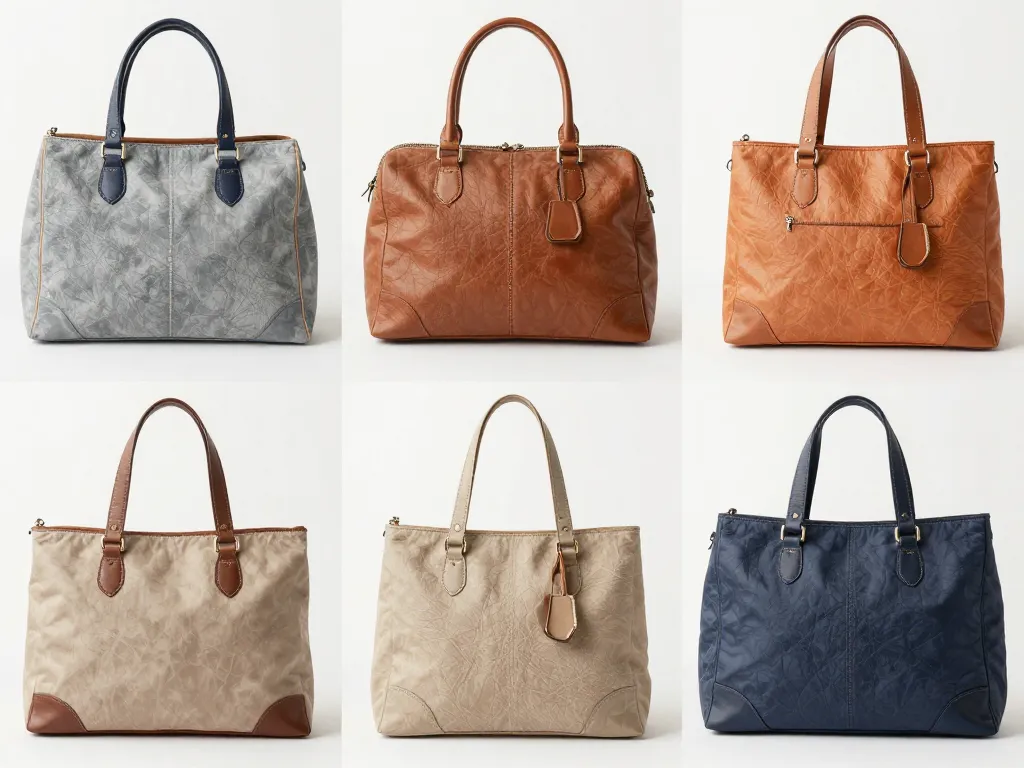
The type of fabric you choose can make or break your bag. As a beginner, it’s best to opt for fabrics that are easy to work with and forgiving. Cotton, linen, and canvas are excellent choices for beginners, as they’re sturdy and easy to manipulate. Avoid delicate or thin fabrics like silk or chiffon, as they can be challenging to work with.
When selecting fabric, consider the weight, texture, and color. A heavier fabric will provide more structure and support, while a lighter fabric will create a more relaxed, casual look. Think about the style you’re aiming for and choose a fabric that fits the bill.
Measuring and Cutting Your Fabric
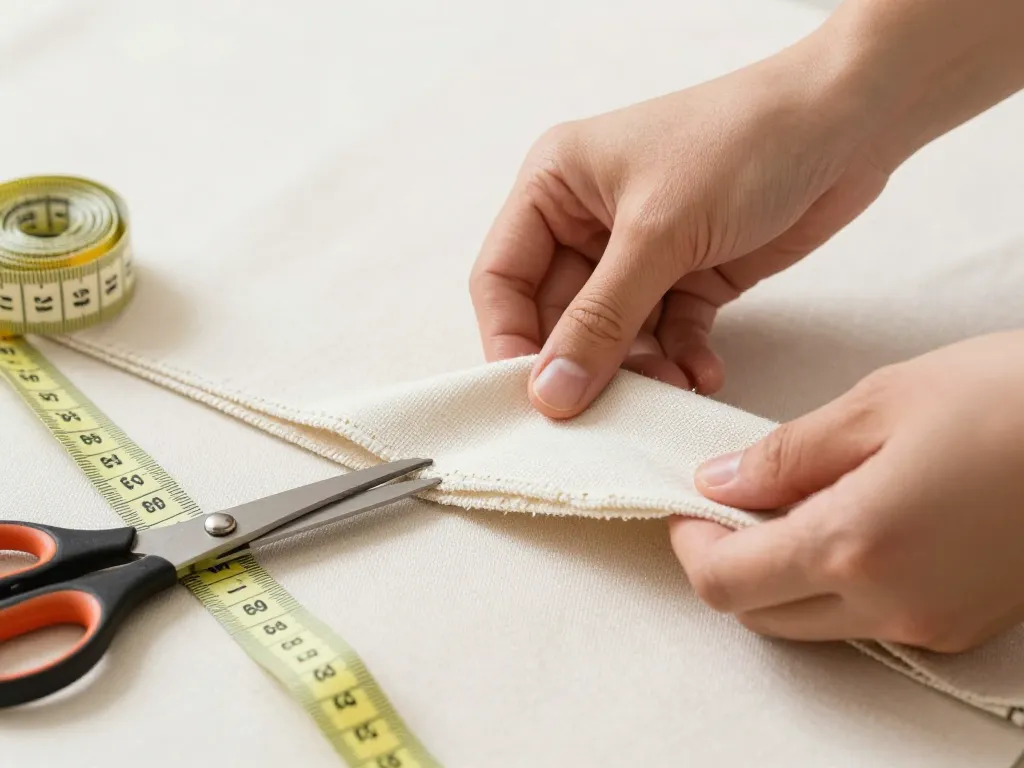
Accurate measuring and cutting are critical steps in creating a professional-looking bag. To ensure a precise fit, use a measuring tape or ruler to measure your fabric against the pattern pieces. Cut your fabric carefully, using scissors or a rotary cutter, and make sure to leave a 1/4-inch seam allowance around each piece.
Sewing Your Bag Together
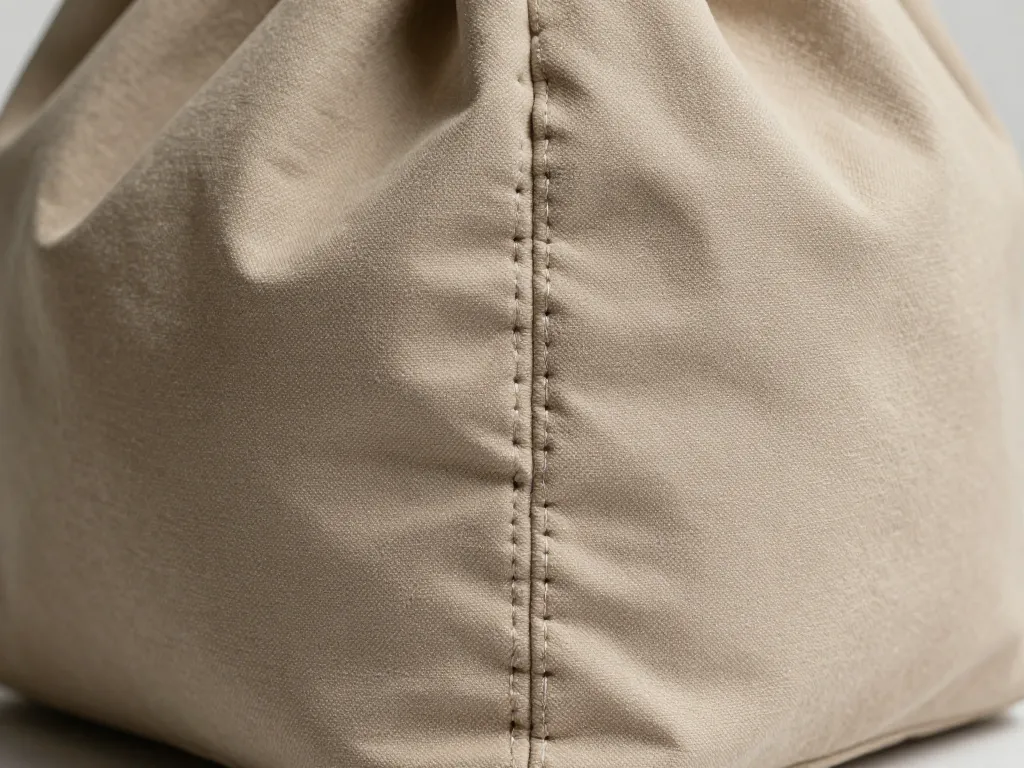
With your fabric cut and ready, it’s time to start sewing. Begin by sewing the sides and bottom of your bag together, using a 1/4-inch seam allowance. Make sure to backstitch at the beginning and end of each seam to secure it. As you sew, use a walking foot or Teflon foot to help guide the fabric and prevent bunching.
Adding a Lining and Interfacing
A lining and interfacing can add an extra layer of professionalism to your bag. A lining helps to conceal the seams and adds a touch of elegance, while interfacing provides stability and structure. To add a lining, simply sew the lining pieces together, leaving a small opening to turn the bag right side out. Then, slip the lining into the bag and sew in place.
Adding a Zipper or Closure
A zipper or closure is an essential component of any bag. Choose a zipper or closure that’s suitable for your bag style and fabric type. For a beginner-friendly option, consider a magnetic snap or Velcro closure. These are easy to install and require minimal sewing.
Adding Handles and Straps
Handles and straps can make or break the functionality of your bag. Choose handles or straps that are sturdy and comfortable to carry. You can use pre-made straps or create your own using fabric or webbing. Attach the handles or straps to the bag using a strong thread and a reinforced stitch.
Tips for a Strong, Neat, and Stylish Finish
To ensure a strong, neat, and stylish finish, follow these expert tips:
Press your seams as you go to prevent wrinkles and creases.
Use a walking foot or Teflon foot to guide the fabric and prevent bunching.
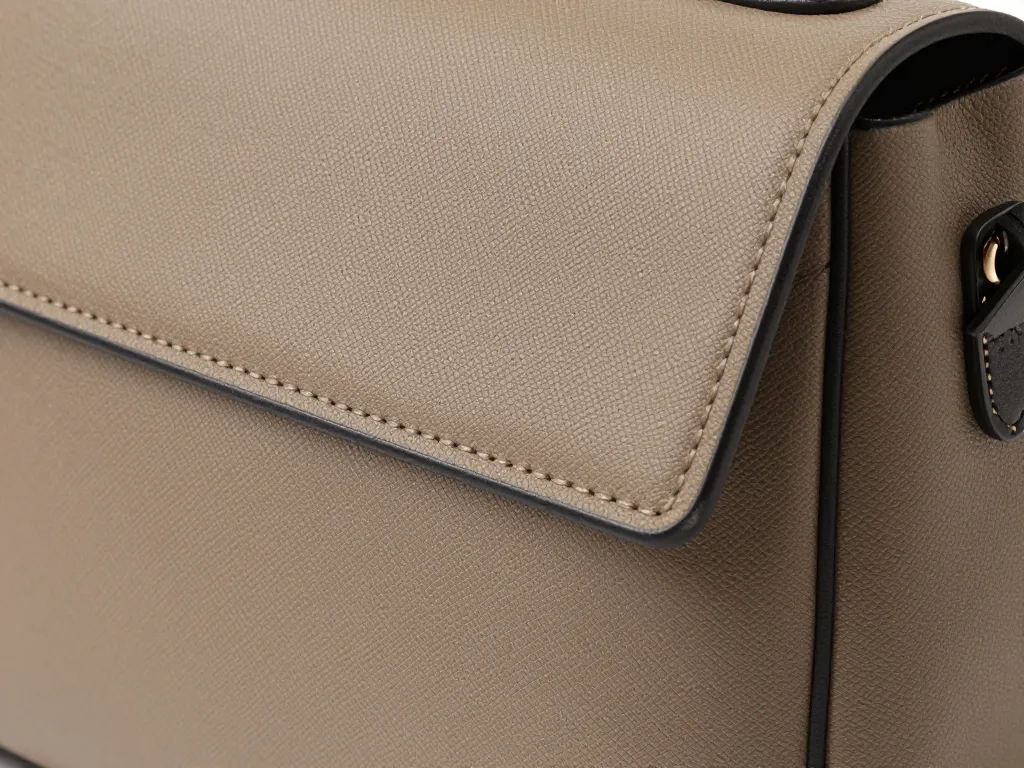
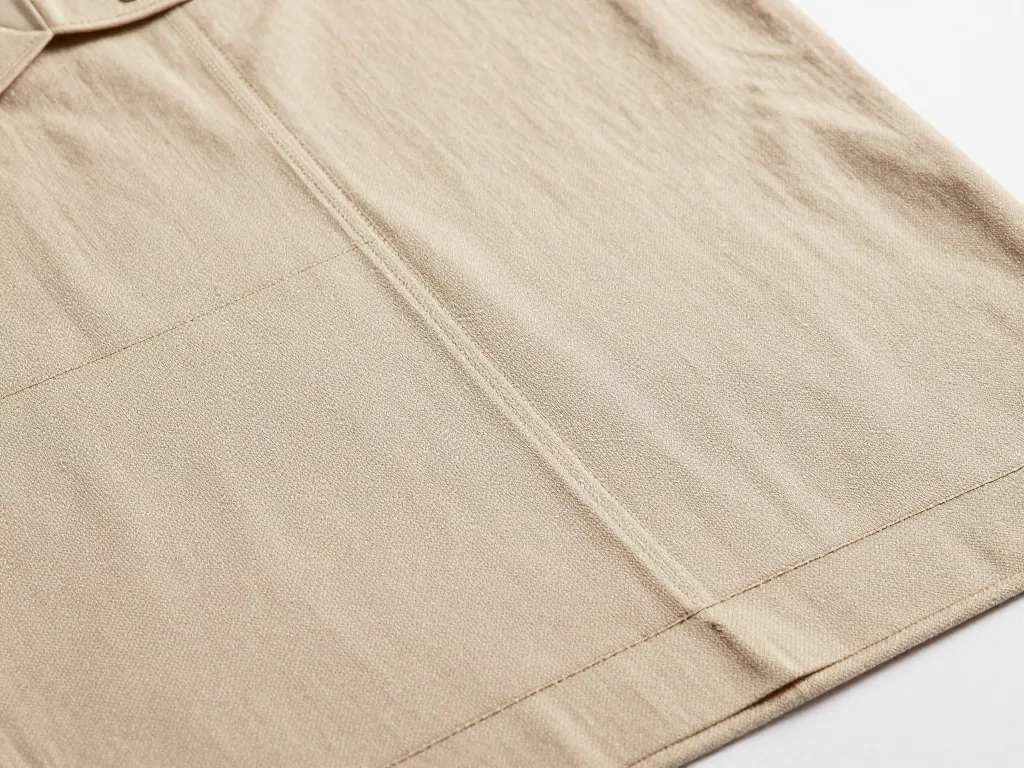
Topstitch your seams to add a professional touch.
Use a contrasting thread color to add a pop of color and create a stylish finish.
Common Mistakes to Avoid
As a beginner, it’s easy to make mistakes that can ruin your bag. Here are some common mistakes to avoid:
Not leaving enough seam allowance, resulting in a bag that’s too small.
Not pressing your seams, leading to wrinkles and creases.
Not using a walking foot or Teflon foot, causing the fabric to bunch up.
Conclusion
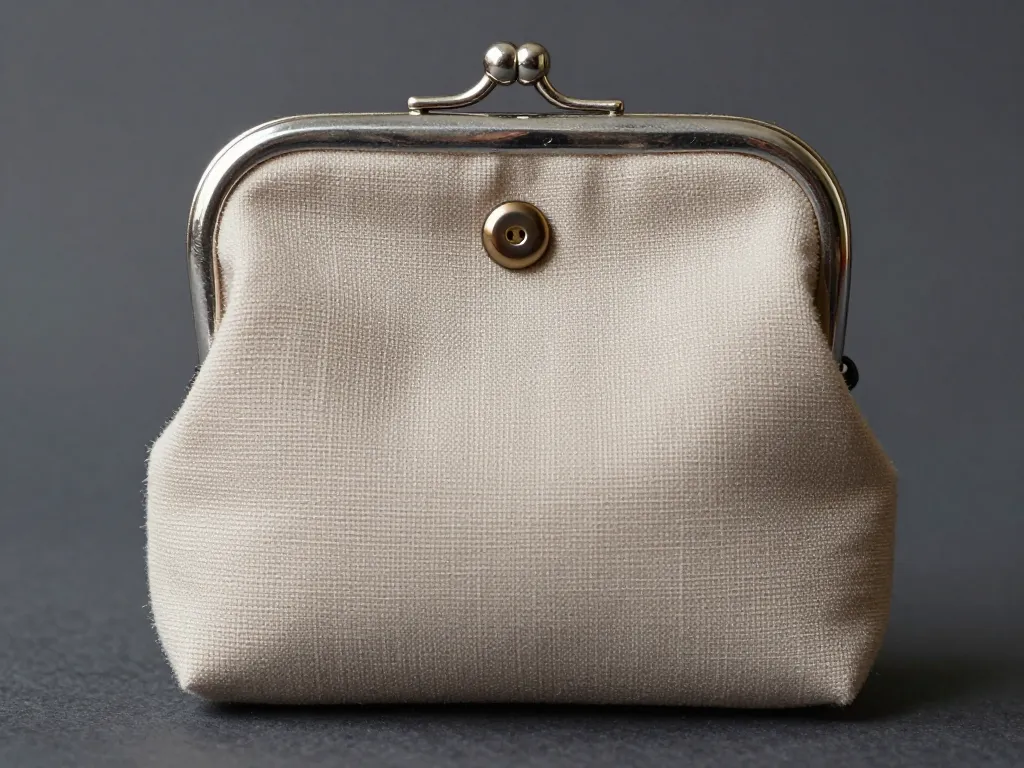
Creating a strong, neat, and stylish bag using sewing patterns for beginners requires patience, practice, and attention to detail. By following these expert tips and techniques, you’ll be well on your way to creating a professional-looking bag that’s perfect for everyday use. Remember to choose a beginner-friendly pattern, select the right fabric, and take your time when measuring, cutting, and sewing. With these skills under your belt, you’ll be ready to tackle more complex sewing projects and create a wardrobe of stylish bags. So, what are you waiting for? Get sewing and create your dream bag today!
0 Comments