Learn the fundamentals of sewing basics patterns and how to read them correctly to create beautiful garments and home decor items with ease.
Sewing is a skill that requires patience, practice, and attention to detail. One of the most crucial aspects of sewing is understanding how to read and use sewing patterns. A sewing pattern mostly dress sewing patterns is a template or design that guides you in cutting and sewing fabric to create a specific garment or item.
Without a solid grasp of pattern reading, even the most experienced sewists can struggle to produce professional-looking results. In this article, we’ll delve into the world of sewing patterns, exploring the basics of pattern reading and providing tips on how to use them effectively.
Understanding Sewing Patterns
A sewing pattern typically consists of a set of instructions, diagrams, and templates that help you create a specific design. Patterns can be found in various forms, including paper patterns, digital patterns, and even free sewing patterns online. Regardless of the type, a good pattern should provide clear instructions, accurate measurements, and a well-designed template. When choosing a pattern, it’s essential to select one that suits your skill level, fabric type, and desired outcome.
✨ Want to make this process way easier and skip the confusion phase?
If you’re tired of guessing instructions or feeling stuck mid-project, having the right guidance makes a huge difference. That’s why many beginners start with a structured resource that already breaks everything down step-by-step.
It’s a simple way to go from “I don’t get this pattern” to “I can actually sew this!” much faster.
Reading a Sewing Basics Patterns
Reading a sewing pattern requires a combination of understanding symbols, abbreviations, and instructions. The first step is to familiarize yourself with the pattern’s layout and notation system. Most patterns use a standardized set of symbols and abbreviations to convey information. Take the time to study the pattern’s legend or key, which explains the meaning behind each symbol and abbreviation.
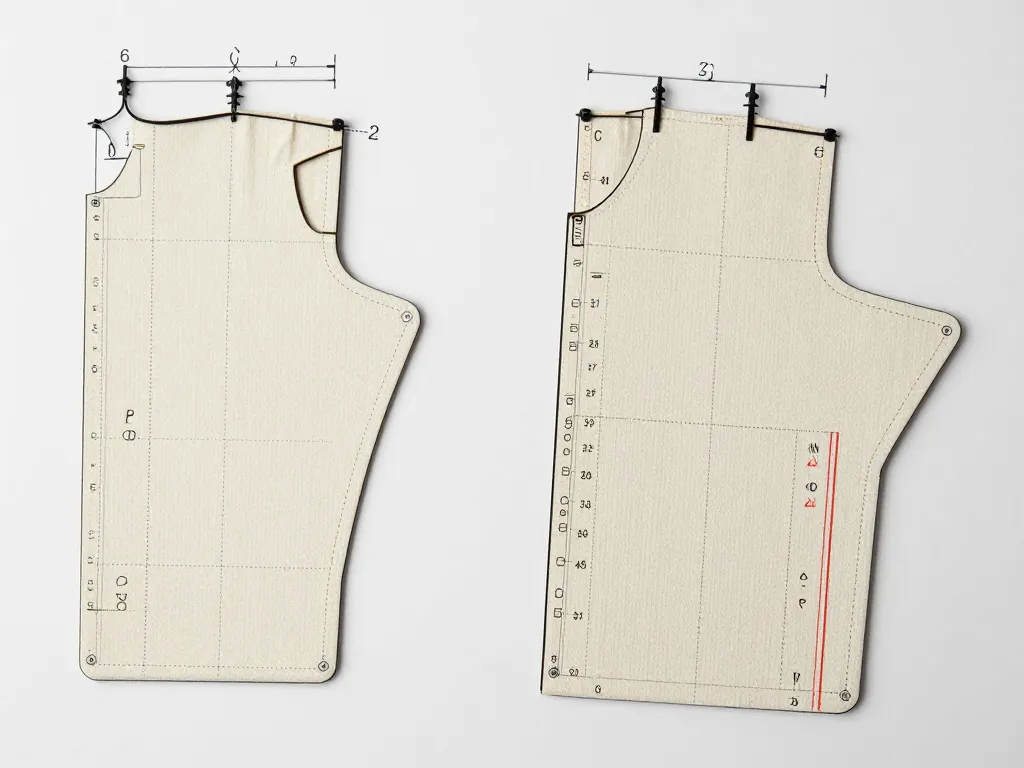
One of the most critical aspects of reading a pattern is understanding the grain line. The grain line indicates the direction of the fabric’s weave, which is crucial for ensuring that your garment hangs correctly and doesn’t distort during sewing. The grain line is usually represented by an arrow on the pattern piece, indicating the direction of the fabric’s warp threads. When cutting your fabric, make sure to align the grain line on the pattern with the grain line on the fabric to achieve a professional finish.
Pattern Pieces and Notches
A sewing pattern typically consists of multiple pattern pieces, each with its own set of instructions and notches. Notches are small marks or cuts on the pattern piece that serve as guides for aligning and matching different pieces during sewing. When cutting your fabric, make sure to cut accurately along the pattern piece’s edges, including the notches. This will ensure that your pieces fit together seamlessly during assembly.
Understanding Pattern Instructions
Pattern instructions can be overwhelming, especially for beginners. However, by breaking down the instructions into smaller steps and focusing on one task at a time, you can simplify the process. Start by reading the entire instruction manual to get an overview of the project’s requirements and timeline. Then, focus on each step individually, following the instructions carefully and accurately. Don’t be afraid to ask for help or consult online resources if you’re unsure about a particular step.
Understanding pattern instructions is one of those skills that quietly separates frustrated beginners from confident sewists. The truth is, most patterns aren’t actually “hard”—they just look intimidating because of how information is presented. Once you learn how to read them like a roadmap, everything becomes much more manageable.
First, don’t jump straight into cutting or sewing. Take time to study the pattern like you would a guidebook. Pattern instructions usually include several key sections: a materials list, fabric recommendations, cutting layouts, symbol guides, and step-by-step construction. Each of these plays a specific role. The materials list tells you exactly what you need (fabric type, yardage, interfacing, notions), while fabric recommendations help ensure your final garment behaves the way the designer intended. Skipping this step is one of the most common beginner mistakes.
Next, carefully review the pattern symbols and markings. These are the “language” of sewing patterns. Notches, grainlines, darts, fold lines, and seam allowances all communicate how pieces should align and come together. For example, grainlines determine how fabric hangs on the body—ignore them, and your garment may twist or drape poorly. Notches help match seams accurately, especially on curves or complex shapes.
Before sewing anything, it’s extremely helpful to go through a process called “pattern walkthrough.” This means reading every step from start to finish without doing anything yet. As you read, visualize each step: which pieces are being used, how they connect, and in what order. This builds a mental map of the construction process, so you’re not constantly confused mid-project. Many experienced sewists even highlight or underline key steps.
When you’re ready to begin, break the instructions into small, actionable tasks. Don’t think “I’m making a dress”—think “right now, I’m sewing shoulder seams.” This reduces overwhelm and keeps your focus sharp. Sewing is much easier when treated as a sequence of tiny wins rather than one big project.
Pay close attention to terminology. Words like “right sides together,” “clip curves,” “understitch,” or “baste” have very specific meanings. If you encounter a term you don’t understand, pause and look it up before continuing. Misinterpreting one term can throw off the entire construction process. Keeping a small sewing glossary nearby (or bookmarked) can save a lot of frustration.
Another important habit is to check your work after each step. After sewing a seam, ask yourself: Does this match the illustration? Are the pieces aligned correctly? Is the seam allowance accurate? Fixing mistakes immediately is far easier than unpicking multiple steps later.
Don’t ignore the illustrations or diagrams—they’re often more helpful than the written instructions. Many patterns rely heavily on visuals to show orientation and positioning. If the text feels confusing, compare it with the diagram and let them complement each other.
💡 Imagine having 155+ ready-to-use sewing patterns plus 50+ detailed video tutorials that literally show you what each step looks like in real time—no more second-guessing, no more overwhelm.
Also, understand that patterns assume a certain level of basic knowledge. They won’t always explain how to sew a seam or press fabric—they expect you to already know. That’s why building foundational skills alongside pattern reading is so important. If needed, pause your project and practice a specific technique on scrap fabric before continuing.
Finally, give yourself permission to slow down. Rushing is the fastest way to make mistakes and feel overwhelmed. Even experienced sewists take their time when working with a new or complex pattern. Confidence comes from repetition—each pattern you complete makes the next one easier to understand.
If you approach pattern instructions as a structured system rather than a wall of text, you’ll start to see the logic behind them—and that’s when sewing becomes far more enjoyable and creative instead of confusing.
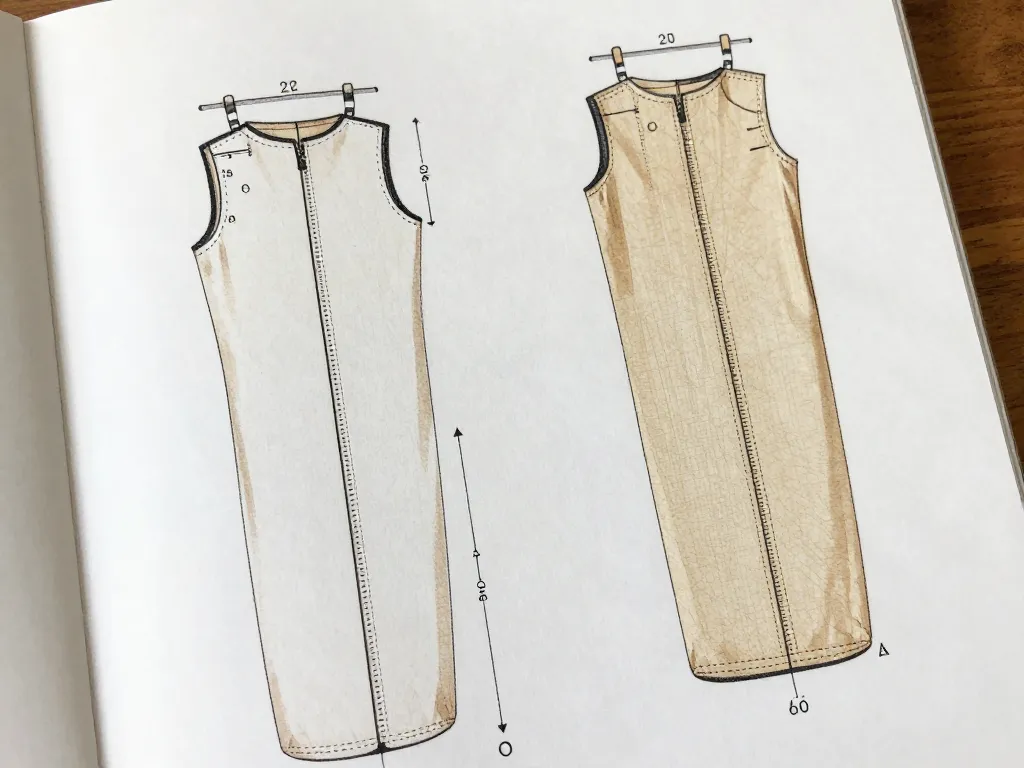
Tips for Working with Sewing Patterns
Working with sewing patterns requires patience, attention to detail, and practice. Here are some additional tips to help you get the most out of your patterns:
Always read the pattern instructions carefully before starting your project.
Use high-quality fabric that matches the pattern’s recommended type and weight.
Cut your fabric accurately, using a rotary cutter and mat or scissors.
Press your seams as you go to ensure a crisp, professional finish.
Don’t be afraid to make adjustments to the pattern to fit your body or desired outcome.
Common Mistakes to Avoid
Even experienced sewists can make mistakes when working with sewing patterns. Here are some common errors to avoid:
Not following the grain line, resulting in a distorted or misshapen garment.
Cutting fabric inaccurately, leading to poor fit or mismatched seams.
Ignoring pattern instructions or skipping crucial steps.
Using low-quality fabric that doesn’t match the pattern’s recommended type and weight.
Conclusion
Mastering the art of sewing patterns takes time and practice, but with patience and attention to detail, you can create beautiful garments and home decor items that rival store-bought quality. By understanding the basics of pattern reading and following the tips outlined in this article, you’ll be well on your way to becoming a confident sewist. Remember to always choose a pattern that suits your skill level and fabric type, and don’t be afraid to ask for help or consult online resources when needed. Happy sewing!
Ready to take your sewing skills to the next level? Start by practicing with a simple sewing pattern, such as a tote bag or pillowcase. As you gain confidence and experience, move on to more complex projects, like garments or home decor items. Don’t forget to explore online resources, sewing communities, and tutorials to help you improve your skills and stay inspired. With persistence and dedication, you can become a master sewist, creating beautiful and functional items that bring joy to yourself and others.
0 Comments