Discover the best easy wrap dress sewing pattern ideas for beginners. Learn how to sew a flattering wrap dress step-by-step with simple techniques, fabric tips, and styling inspiration.
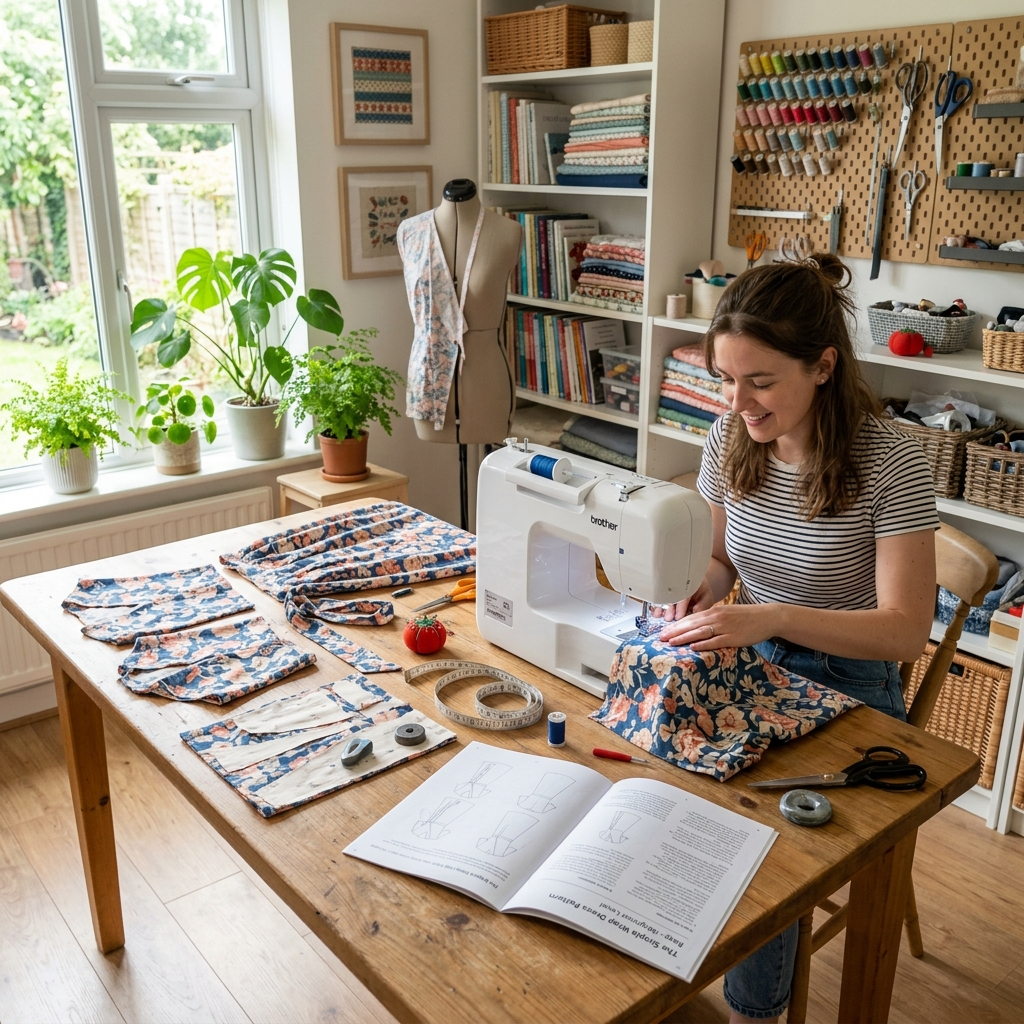
Wrap dresses never go out of style—and honestly, that’s part of the magic! They’re flattering, comfortable, adjustable, and surprisingly beginner-friendly to sew. Whether you want a casual everyday outfit, a chic summer dress, or a handmade wardrobe staple, an easy wrap dress sewing pattern can help you create something beautiful without advanced sewing skills.
Did you know wrap dresses became globally iconic thanks to fashion designer Diane von Fürstenberg in the 1970s? Today, they remain one of the most popular DIY garment projects because they suit almost every body type and work with countless fabrics and prints.
In this guide, we’ll explore everything you need to know about choosing, sewing, fitting, and styling an easy wrap dress sewing pattern. From beginner sewing tips to fabric recommendations and common mistakes to avoid, this outline covers all the essentials for creating a stylish handmade wrap dress in 2026.
What Is an Easy Wrap Dress Sewing Pattern?
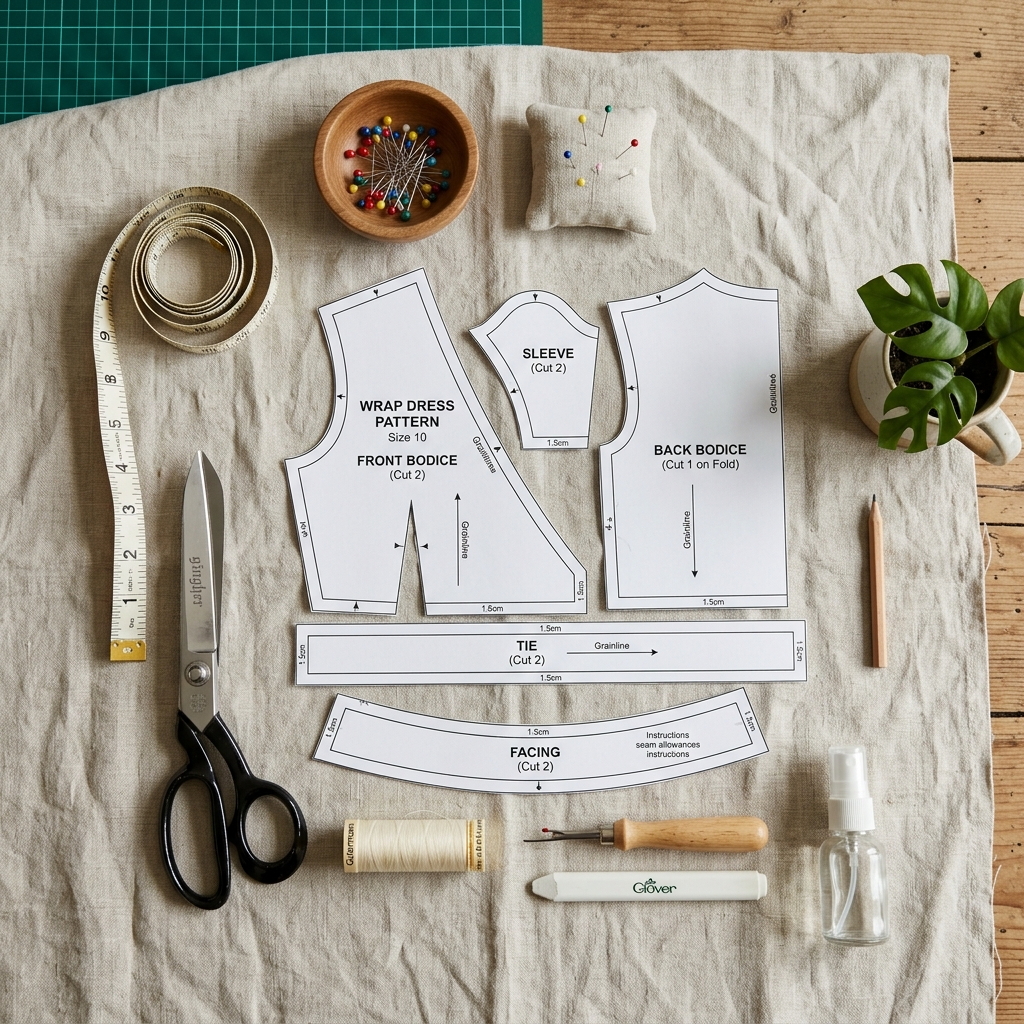
An easy wrap dress sewing pattern is a beginner-friendly garment pattern designed to help sewists create a stylish dress that wraps around the body and ties at the waist. Unlike fitted dresses that rely on zippers, buttons, or complicated tailoring, a wrap dress uses overlapping fabric panels to create an adjustable and flattering silhouette. Because of its simple construction and flexible fit, an easy wrap dress sewing pattern is one of the most popular choices for beginners learning how to sew clothes at home.
The beauty of an easy wrap dress sewing pattern is its versatility. You can create casual everyday dresses, elegant maxi dresses, lightweight summer outfits, or even formal occasion wear using the same basic wrap design. Many DIY fashion enthusiasts love wrap dress sewing projects because they combine comfort, practicality, and timeless style in one easy garment.
Definition of a Wrap Dress Sewing Pattern
A wrap dress sewing pattern is a dressmaking template that allows fabric to wrap across the front of the body and fasten using waist ties, buttons, snaps, or hidden closures. Most easy wrap dress sewing patterns feature a V-neckline created naturally by the overlapping front panels, giving the dress its signature feminine shape.
In sewing, wrap dress patterns are available in many formats, including printable PDF sewing patterns, digital sewing patterns, and traditional paper sewing patterns. Beginner wrap dress patterns are usually designed with simplified instructions, fewer pattern pieces, and easy sewing techniques to make the project less intimidating for new sewists.
An easy wrap dress sewing pattern often includes:
- Front wrap bodice pieces
- Adjustable waist ties
- Simple skirt panels
- Optional sleeves or sleeveless designs
- Basic hemming and finishing instructions
Because of their straightforward structure, wrap dresses are commonly recommended in beginner sewing tutorials and easy garment sewing guides.
How Wrap Dresses Differ From Other Dress Styles
One reason an easy wrap dress sewing pattern remains so popular is that it differs significantly from more structured dress styles. Traditional fitted dresses often require darts, zippers, invisible closures, precise tailoring, and detailed fitting adjustments. A wrap dress, however, naturally adjusts to the body through the waist ties and overlapping front panels.
Unlike bodycon dresses or heavily tailored garments, wrap dresses offer:
- Adjustable sizing flexibility
- Greater comfort and movement
- Easier fitting for different body shapes
- Simpler garment construction
- Less reliance on difficult sewing techniques
This flexibility makes an easy wrap dress sewing pattern ideal for beginner dressmaking projects. Even if your measurements fluctuate slightly, the wrap style still provides a comfortable and flattering fit.
Another major difference is versatility. A simple wrap dress pattern can easily transition from casual daytime wear to elegant evening fashion depending on the fabric choice. Cotton creates a relaxed everyday dress, while rayon or jersey knit fabric gives the wrap silhouette a softer, more elegant drape.
Key Features of a Wrap Silhouette
The wrap silhouette is known for its universally flattering shape and timeless appeal. Most easy wrap dress sewing patterns share several signature features that make them both stylish and functional.
Overlapping Front Panels
The front sections of the dress cross over one another to create the wrap effect. This overlap creates the iconic V-neckline often associated with wrap dress fashion.
Adjustable Waist Ties
One of the biggest advantages of an easy wrap dress sewing pattern is the adjustable waist tie system. The ties allow the wearer to tighten or loosen the dress for comfort and fit, making the garment adaptable for different body shapes.
Defined Waistline
Wrap dresses naturally create waist definition without requiring advanced tailoring. The waist ties gently pull the fabric inward, helping create an hourglass silhouette that flatters many figures.
Comfortable Skirt Movement
Most wrap dresses feature flowing skirt panels that allow comfortable movement and soft draping. This makes wrap dresses practical for daily wear, vacations, summer outfits, and even special occasions.
Customizable Design Options
A beginner wrap dress pattern can be customized in many ways, including:
- Sleeveless wrap dress styles
- Long sleeve wrap dress designs
- Maxi wrap dress sewing patterns
- Short wrap dress variations
- Ruffle details and tiered skirts
- Wrap dresses with pockets
These customizable elements make DIY wrap dress sewing both creative and beginner-friendly.
Adjustable Waist Ties and Flattering Fit
The adjustable waist tie is one of the main reasons sewists love using an easy wrap dress sewing pattern. Unlike rigid fitted garments, wrap dresses allow flexibility in sizing and comfort. The ties can be adjusted throughout the day, which makes the dress practical for everyday wear.
The flattering fit of a wrap dress works well because the diagonal lines created by the wrap design naturally elongate the body. The V-neckline visually lengthens the neck, while the cinched waist enhances body proportions in a soft and comfortable way.
An easy wrap dress sewing pattern is especially popular among beginners because:
- It accommodates minor sewing inaccuracies
- Fitting adjustments are easier
- The waist tie creates flexibility
- The dress suits many body types
- It provides comfort without sacrificing style
This forgiving construction helps reduce frustration for beginner sewists learning garment sewing for the first time.
Why Wrap Dresses Are Beginner-Friendly Sewing Projects
Many sewing experts recommend starting with an easy wrap dress sewing pattern because the construction process is simpler than many other garment projects. Beginner sewists can practice important sewing techniques while still creating a wearable finished piece.
Here are several reasons wrap dresses are considered beginner-friendly sewing projects:
Simple Construction
Most easy wrap dress sewing patterns use straightforward seams and minimal complicated shaping. This allows beginners to focus on learning sewing fundamentals without becoming overwhelmed.
Fewer Closures
Many wrap dresses eliminate the need for zippers and buttonholes, which are often challenging for new sewists. Waist ties simplify the closure process considerably.
Flexible Fitting
The adjustable wrap style means small measurement mistakes are less noticeable compared to fitted dresses.
Great Skill Builder
Sewing a wrap dress helps beginners learn:
- Cutting fabric accurately
- Reading sewing patterns
- Sewing curved seams
- Hemming garments
- Attaching waist ties
- Basic garment construction techniques
An easy wrap dress sewing pattern offers the perfect balance between simplicity and professional-looking results.
Common Types of Wrap Dresses for Home Sewing
There are many variations of easy wrap dress sewing patterns available for home sewing enthusiasts. Different styles allow sewists to match their personal fashion preferences, fabric choices, and skill levels.
Classic Wrap Dress
The traditional wrap dress features a fitted bodice, waist ties, and a gently flared skirt. This timeless design works well for both casual and formal sewing projects.
Faux Wrap Dress
A faux wrap dress creates the appearance of a wrap silhouette without requiring full wrapping functionality. These patterns are especially beginner-friendly because they simplify construction even further.
Maxi Wrap Dress
Maxi wrap dress sewing patterns feature long flowing skirts that create elegant and comfortable outfits perfect for vacations, summer fashion, or special occasions.
Short Wrap Dress
Short wrap dress styles offer a playful and casual look that works well for everyday wear and warm-weather outfits.
Sleeveless Wrap Dress
Sleeveless designs are often easier and faster to sew, making them ideal for beginner garment sewing projects.
Long Sleeve Wrap Dress
Long sleeve wrap dresses provide additional coverage and are perfect for transitional weather or cooler seasons.
With so many variations available, an easy wrap dress sewing pattern remains one of the most versatile and rewarding DIY sewing projects for beginners and experienced sewists alike.
Why Beginners Love Easy Wrap Dress Sewing Patterns
An easy wrap dress sewing pattern is one of the most beginner-friendly garment projects in modern sewing. Many new sewists choose an easy wrap dress sewing pattern as their first clothing project because it combines simple construction, comfortable fit, and stylish results without requiring advanced sewing skills. Unlike complicated formal dresses or structured garments, a wrap dress is forgiving, adjustable, and much easier to customize.
For anyone learning how to sew clothes at home, an easy wrap dress sewing pattern offers the perfect balance between creativity and simplicity. It allows beginners to practice essential sewing techniques while still producing a wearable and flattering handmade dress.
Simple Construction With Minimal Complicated Seams
One of the biggest reasons beginners love using an easy wrap dress sewing pattern is the simple garment construction. Most beginner wrap dress patterns are designed with fewer pattern pieces and straightforward sewing steps, making the project feel less overwhelming.
Unlike fitted dresses that require:
- Zippers
- Complex darts
- Heavy interfacing
- Structured bodices
- Advanced sleeve setting techniques
an easy wrap dress sewing pattern usually focuses on clean lines and basic seams. Many wrap dress sewing tutorials only require sewists to assemble the bodice, attach the skirt, sew waist ties, and finish hems.
This simplified process helps beginners focus on learning important garment sewing basics without getting frustrated by difficult tailoring details. The sewing experience feels more approachable, especially for people starting their first DIY fashion sewing project.
Simple construction also means faster progress. New sewists can see the dress taking shape quickly, which makes the project more motivating and enjoyable.
Easy Fitting Due to Adjustable Waist Ties
Fitting is often one of the most intimidating parts of garment sewing, but an easy wrap dress sewing pattern solves many common fitting problems. The adjustable waist ties allow the dress to adapt naturally to the body, making sizing much more flexible than traditional fitted dresses.
This flexibility is especially helpful for beginners because:
- Small measuring mistakes are less noticeable
- The waist can be tightened or loosened easily
- The dress adapts to body changes comfortably
- Fewer complicated fitting adjustments are required
An easy wrap dress sewing pattern creates a flattering silhouette without relying on precise tailoring. The wrap design naturally shapes around the body while still remaining comfortable and wearable.
Many beginner sewists feel more confident starting with wrap dresses because they do not need perfect sewing accuracy to achieve good results. Even if the fit is slightly imperfect, the adjustable ties help balance the overall appearance.
Comfortable and Forgiving Garment Design
Comfort is another reason why easy wrap dress sewing patterns remain popular among beginner and experienced sewists alike. Wrap dresses are designed to move naturally with the body instead of feeling restrictive or overly structured.
The forgiving design makes an easy wrap dress sewing pattern suitable for many body shapes and sizes. The soft draping fabric, adjustable waistline, and flowing skirt create a relaxed fit that feels both stylish and practical.
Compared to tight-fitting garments, wrap dresses offer:
- Better movement and flexibility
- Breathable everyday comfort
- Relaxed yet elegant styling
- Easy layering options
- Comfortable wear throughout the day
This forgiving construction also helps beginners feel less stressed during the sewing process. Minor imperfections in stitching or fitting are often less visible in wrap dress styles than in highly tailored garments.
Because of this, many beginner sewing guides recommend starting with an easy wrap dress sewing pattern before attempting more advanced dressmaking projects.
Great Sewing Project for Practicing Garment Basics
An easy wrap dress sewing pattern is an excellent learning project because it teaches foundational garment sewing skills in a manageable way. Instead of jumping into complicated couture techniques, beginners can practice essential sewing methods step by step.
By sewing a wrap dress, beginners learn:
- How to read sewing patterns
- Proper fabric cutting techniques
- Seam allowance basics
- Pinning and assembling garment pieces
- Sewing curves and straight seams
- Hemming techniques
- Waist tie attachment methods
- Basic garment finishing skills
These skills build a strong foundation for future sewing projects. After completing an easy wrap dress sewing pattern, many beginners feel ready to try more advanced dress sewing patterns and DIY clothing projects.
Wrap dresses are also excellent practice for understanding fabric drape and garment movement. Since the wrap silhouette relies heavily on soft shaping, beginners gain valuable experience working with fabrics like cotton, rayon, linen, and jersey knit.
Quick DIY Fashion Project With Stylish Results
Many beginners enjoy projects that provide visible progress quickly, and an easy wrap dress sewing pattern delivers exactly that. Compared to highly detailed garments that may take weeks to finish, a simple wrap dress can often be completed within a day or weekend.
Quick sewing projects help beginners:
- Stay motivated
- Avoid feeling overwhelmed
- Gain sewing momentum
- Build excitement for future projects
Despite the relatively simple construction, wrap dresses still look polished and fashionable. The elegant wrap silhouette creates professional-looking results even for beginner sewists.
An easy wrap dress sewing pattern can easily be customized using:
- Different fabric prints
- Sleeve variations
- Maxi or short skirt lengths
- Ruffles or tiered details
- Decorative waist ties
This versatility allows beginners to create stylish handmade clothing that looks unique and personalized without requiring advanced fashion design experience.
Builds Confidence for Beginner Sewists
Confidence is extremely important when learning how to sew clothes, and an easy wrap dress sewing pattern helps beginners build that confidence naturally. Because wrap dresses are forgiving and beginner-friendly, sewists are more likely to complete the project successfully.
Finishing a wearable garment creates a strong sense of accomplishment. Many beginners feel inspired to continue learning after successfully sewing their first wrap dress.
The confidence boost comes from:
- Completing a real clothing project
- Wearing handmade fashion proudly
- Learning practical sewing skills
- Seeing visible improvement with each project
- Understanding garment construction more clearly
An easy wrap dress sewing pattern gives beginners positive early experiences with sewing, which often encourages them to explore more advanced sewing patterns later.
Requires Fewer Advanced Tailoring Techniques
One major advantage of an easy wrap dress sewing pattern is that it avoids many difficult tailoring methods that beginners may not yet understand. Traditional formal dresses often require precise fitting, complex closures, structured linings, and detailed shaping techniques.
Wrap dresses simplify many of these challenges by using:
- Adjustable waist ties instead of zippers
- Soft draping instead of rigid tailoring
- Relaxed silhouettes instead of exact body contouring
- Minimal structured interfacing
- Easier seam construction
This allows beginners to focus on mastering the fundamentals before moving into more technical dressmaking skills.
Even simple wrap dress sewing patterns can still produce elegant and flattering garments without requiring couture-level experience. That combination of simplicity and style is exactly why so many new sewists continue to choose easy wrap dress sewing patterns as their go-to beginner sewing project.
Step-by-Step Guide to Sewing an Easy Wrap Dress
Learning how to sew an easy wrap dress sewing pattern can feel exciting and surprisingly manageable, even for complete beginners. One of the biggest advantages of an easy wrap dress sewing pattern is that the construction process is much simpler than many other garment sewing projects. With the right preparation, fabric, and basic sewing techniques, you can create a stylish handmade wrap dress that looks polished and comfortable.
This step-by-step guide will walk you through the essential stages of sewing a beginner-friendly wrap dress, from taking body measurements to completing the final fitting adjustments.
Taking Accurate Body Measurements
Before cutting fabric for your easy wrap dress sewing pattern, accurate measurements are extremely important. Good measurements help ensure the wrap dress fits comfortably and drapes properly around the body.
The main measurements you typically need include:
- Bust measurement
- Waist measurement
- Hip measurement
- Shoulder width
- Dress length
- Sleeve length if applicable
Use a soft measuring tape and measure while wearing lightweight clothing or fitted garments. Keep the measuring tape snug but not too tight.
One reason beginners love an easy wrap dress sewing pattern is that the adjustable waist ties provide more flexibility compared to fitted dresses. Even if your measurements are slightly between sizes, the wrap style allows easier adjustments during fitting.
Many beginner sewing patterns include size charts and fitting guides. Always compare your measurements carefully with the sewing pattern instructions before selecting your size.
Preparing and Cutting Fabric Properly
Fabric preparation is one of the most important parts of sewing an easy wrap dress sewing pattern. Skipping preparation can lead to shrinking, uneven seams, or distorted garment shapes later.
Prewash Your Fabric
Always prewash fabric before cutting your wrap dress sewing pattern pieces. Natural fabrics like cotton, linen, and rayon can shrink after washing, so prewashing helps prevent sizing problems once the dress is finished.
Iron the Fabric
Press the fabric flat before cutting. Wrinkled fabric can affect cutting accuracy and lead to uneven pattern pieces.
Lay Out the Pattern Carefully
Most easy wrap dress sewing patterns include layout diagrams showing how to position pattern pieces on the fabric. Pay attention to:
- Fabric grainline direction
- Fold lines
- Stretch direction for knit fabrics
- Pattern placement for printed fabrics
Cut Slowly and Accurately
Use sharp fabric scissors or a rotary cutter for clean edges. Accurate cutting helps garment pieces align properly during sewing.
Many beginner sewists discover that careful cutting makes the entire easy wrap dress sewing pattern much easier to assemble later.
Understanding Sewing Pattern Markings
Sewing patterns contain important symbols and markings that guide garment construction. Understanding these markings helps beginners avoid confusion during the sewing process.
Common sewing pattern markings include:
- Notches for matching seams
- Grainline arrows
- Fold indicators
- Seam allowance lines
- Placement markings for ties or closures
- Hem guides
An easy wrap dress sewing pattern often includes fewer complicated markings than advanced dressmaking patterns, which makes it more beginner-friendly.
Transfer important markings onto your fabric using tailor’s chalk, washable fabric pens, or sewing clips. Proper marking helps ensure:
- Seams align correctly
- Bodice pieces fit properly
- Waist ties attach evenly
- The wrap silhouette stays symmetrical
Taking a few extra minutes to understand your sewing pattern instructions can prevent many common beginner mistakes later in the project.
Sewing the Bodice and Skirt Pieces Together
Once the fabric is prepared and cut, it’s time to begin assembling the wrap dress. Most easy wrap dress sewing patterns are constructed in manageable stages, making the sewing process easier for beginners.
Sew the Bodice Pieces
Start by sewing the front and back bodice sections together at the shoulders and side seams. If your wrap dress includes sleeves, attach them according to the pattern instructions.
Many beginner wrap dress sewing patterns use simple bodice construction techniques without complicated tailoring or heavy interfacing.
Assemble the Skirt
Next, sew the skirt panels together. Depending on the design, your easy wrap dress sewing pattern may include:
- Gathered skirts
- A-line skirts
- Circle skirts
- Straight wrap skirts
Press seams carefully after sewing to help the garment look more professional.
Attach the Bodice to the Skirt
Match the waist seams carefully and pin the bodice to the skirt before sewing. Take your time aligning seams evenly to maintain the flattering wrap silhouette.
At this stage, your easy wrap dress sewing pattern will finally begin looking like a real garment, which is often one of the most exciting moments for beginner sewists.
Attaching Waist Ties and Closures
The waist ties are one of the defining features of an easy wrap dress sewing pattern. These ties allow the dress to wrap securely around the body while creating an adjustable and flattering fit.
Sewing Waist Ties
Most wrap dress sewing patterns include long fabric ties that are folded, sewn, and turned right-side out. Press the ties neatly before attaching them to the dress.
Placement Matters
Attach the waist ties exactly where indicated in the sewing pattern instructions. Proper placement helps:
- Maintain balance in the wrap silhouette
- Prevent pulling or twisting
- Improve comfort and fit
Some easy wrap dress sewing patterns also include:
- Internal waist ties
- Hidden snaps
- Buttons
- Hook-and-eye closures
- Faux wrap construction details
However, many beginner-friendly wrap dresses keep closures simple to make the sewing process easier.
Hemming Techniques for Clean Finishes
A clean hem can dramatically improve the final appearance of your handmade wrap dress. Hemming may seem simple, but taking your time here helps your easy wrap dress sewing pattern look polished and professional.
Double Fold Hem
The most common beginner hemming technique involves folding the raw fabric edge twice before sewing. This creates a neat and durable finish.
Curved Hem Tips
Wrap dresses often feature curved skirt edges, which can be slightly trickier to hem. Sewing slowly and pressing carefully helps maintain smooth curves.
Press Before Sewing
Iron the hem folds before stitching to keep the fabric stable and even.
Use Matching Thread
Thread color can affect the overall appearance of your garment. Matching thread creates a cleaner and more seamless finish.
Many beginner sewists find that proper hemming gives their easy wrap dress sewing pattern a much more store-bought appearance.
Final Fitting and Adjustments
The final fitting stage allows you to test the comfort, movement, and appearance of your wrap dress before considering the project complete.
Try on the dress and check:
- Waist tie placement
- Neckline coverage
- Skirt length
- Sleeve comfort
- Overall fit and drape
Because an easy wrap dress sewing pattern is adjustable, small fitting issues are usually easy to correct.
Common beginner adjustments include:
- Tightening or loosening waist ties
- Shortening the hem
- Adjusting neckline overlap
- Taking in side seams slightly
- Improving sleeve fit
After making any final adjustments, press the entire garment carefully for a clean finished look.
If you're new to garment sewing, this complete dress sewing patterns guide can help you choose easier projects to start with.
Completing an easy wrap dress sewing pattern is a huge confidence boost for beginner sewists. Not only do you end up with a stylish handmade garment, but you also gain valuable garment sewing experience that prepares you for future sewing projects.
An easy wrap dress sewing pattern is one of the best beginner garment projects because it combines comfort, style, and simple construction in one versatile design. With the right fabric, basic sewing tools, and a beginner-friendly pattern, you can create a custom dress that fits beautifully and reflects your personal style.
The best part? Every wrap dress you sew helps build new sewing skills and confidence. Start with a simple pattern, experiment with fabrics and lengths, and enjoy the creative process. Soon, you’ll have a handmade wardrobe filled with stylish DIY wrap dresses perfect for every season.
Save this guide for your next sewing project, explore new wrap dress variations, and start sewing your dream handmade dress today!
0 Comments