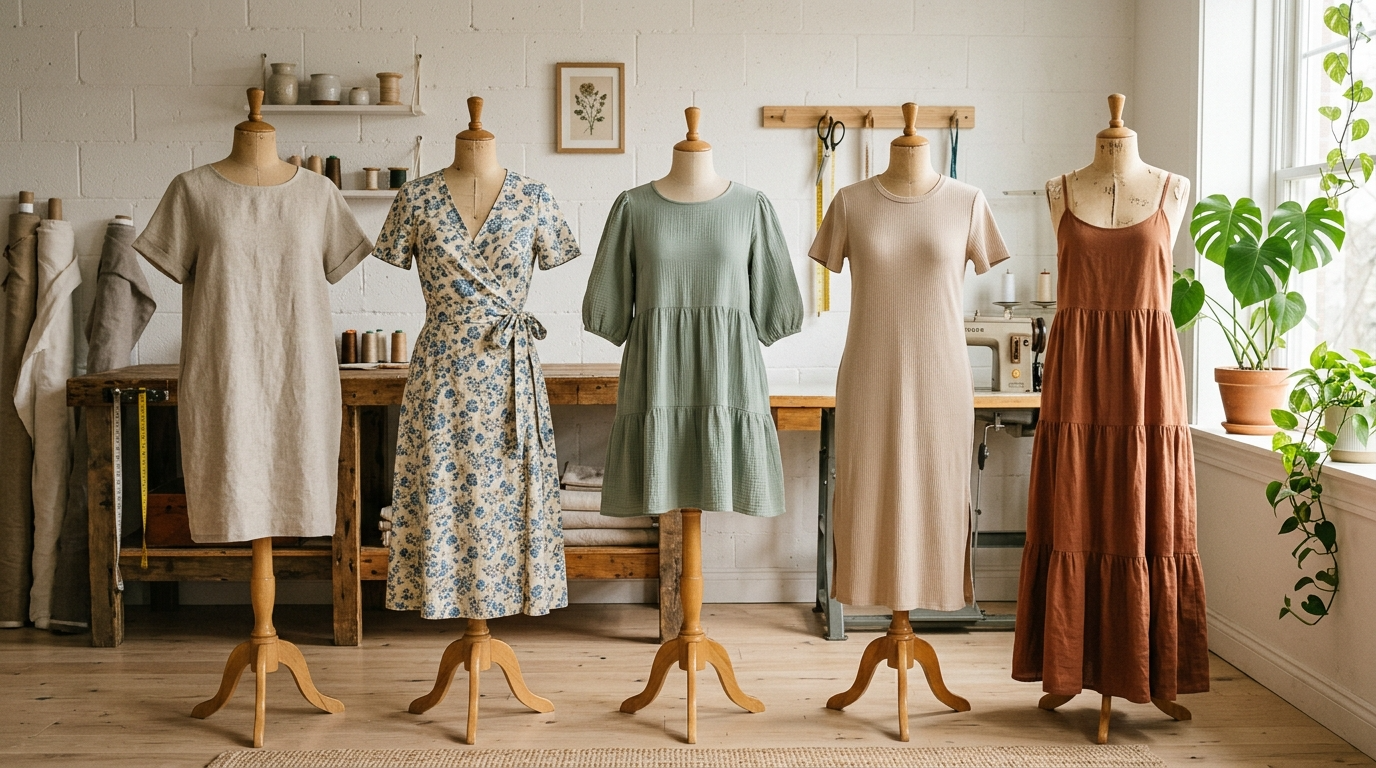
Discover the best beginner dress sewing patterns for 2026! Learn how to choose easy dress patterns, beginner-friendly fabrics, and simple sewing projects perfect for new sewists.
Introduction
Did you know that more people are learning to sew now than at any point in the last decade? From TikTok DIY creators to Pinterest sewing enthusiasts, beginner dress sewing patterns are making a huge comeback — and honestly, it’s easy to see why! Sewing your own dress isn’t just budget-friendly; it’s also incredibly rewarding. You get complete control over the fit, fabric, and style while building practical sewing skills at the same time.
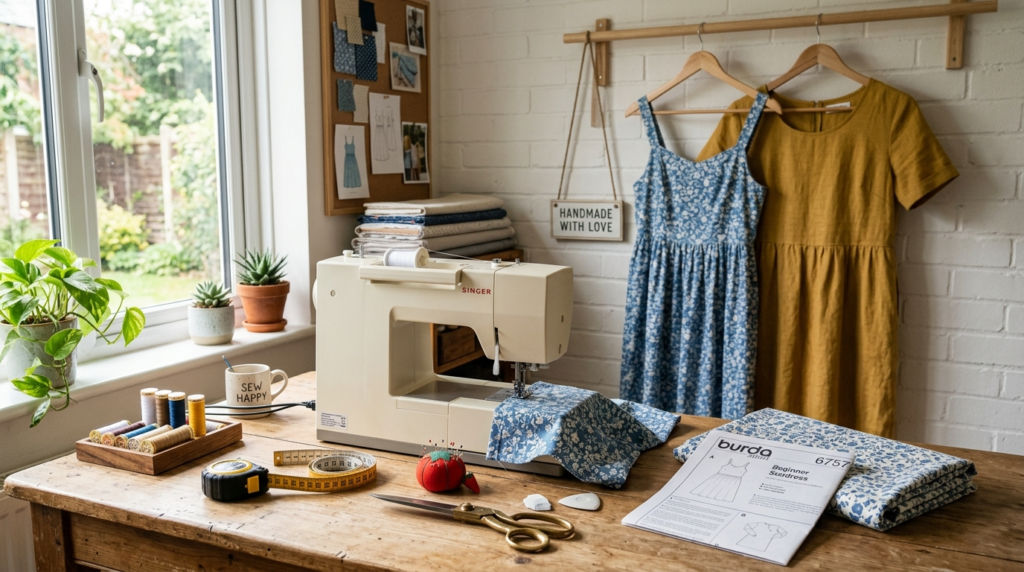
If you’ve ever looked at a beautiful handmade dress and thought, “Could I actually make that?” — the answer is yes. Absolutely yes.
In this guide, we’ll explore the best beginner dress sewing patterns, easy styles for first-time sewists, essential tools, common mistakes to avoid, and tips that make sewing dresses much less intimidating. Whether you’re using a sewing machine for the first time or searching for quick sewing projects to build confidence, this article will help you start strong.
What Are Beginner Dress Sewing Patterns?
If you’re new to sewing clothes, you’ve probably come across the term beginner dress sewing patterns quite often. But what exactly makes a sewing pattern “beginner-friendly”? In simple terms, these patterns are designed specifically for people who are still learning basic sewing skills. They focus on easy construction, simple techniques, and clear instructions so new sewists can complete projects without feeling overwhelmed.
Unlike advanced garment projects that may involve complicated tailoring, zippers, or intricate shaping, beginner patterns keep things approachable. They allow new sewists to build confidence while learning essential techniques used in dressmaking for beginners.
Definition of Beginner-Friendly Sewing Patterns
A beginner-friendly sewing pattern is a clothing template created with simplicity in mind. These patterns usually contain fewer pieces, straightforward instructions, and easy sewing methods that help reduce mistakes. Many easy dress sewing patterns are specifically designed for first-time sewists who are learning how to cut fabric, sew seams, and assemble garments correctly.
Most beginner patterns also include:
- Step-by-step illustrations
- Basic sewing terminology explanations
- Simple fitting techniques
- Easy-to-follow layout guides
- Minimal hand sewing or finishing work
Because of this, they are perfect for anyone exploring sewing clothes for beginners or starting their first DIY fashion project.
Features That Make a Dress Pattern Easy to Sew
Not all sewing patterns are equally beginner-friendly. Some styles are much easier to handle than others. The best simple dress sewing patterns usually share a few important characteristics that make the sewing process smoother and less stressful.
Common beginner-friendly features include:
- Loose-fitting silhouettes that do not require advanced fitting
- Elastic waistbands instead of zippers or buttons
- Simple necklines and sleeves
- Minimal darts or shaping details
- Straight seams that are easier to sew accurately
- Lightweight woven fabrics like cotton or linen
Patterns with fewer complicated techniques help beginners focus on mastering the basics before moving on to more advanced garment construction. This is why many easy sewing patterns feature relaxed dress styles such as shift dresses, smock dresses, or simple maxi dresses.
Why Simple Dress Silhouettes Are Ideal for New Sewists
When learning to sew, simplicity matters. Complicated designs can quickly become frustrating, especially when working with unfamiliar tools or fabrics. Simple silhouettes help beginners practice essential sewing techniques without the pressure of achieving a perfect tailored fit.
Loose-fitting garments are especially popular in beginner sewing projects because they are forgiving and easier to adjust. Styles like:
- Shift dresses
- T-shirt dresses
- Wrap dresses
- Smock dresses
- Easy maxi dresses
are excellent starting points for new sewists.
These types of dresses often require fewer pattern adjustments and allow beginners to focus on important foundational skills like sewing straight seams, pressing fabric properly, and understanding garment assembly. Many sewists discover that completing a simple project successfully motivates them to continue improving their skills.
Difference Between Beginner, Intermediate, and Advanced Patterns
Sewing patterns are typically labeled according to skill level. Understanding these categories can help prevent beginners from choosing projects that are too difficult too soon.
Beginner Patterns
Beginner patterns focus on basic construction techniques and easy sewing methods. They often avoid complex closures, structured tailoring, or difficult fabrics. Most easy sewing projects fall into this category.
Intermediate Patterns
Intermediate patterns introduce more technical elements such as zippers, facings, fitted bodices, lining, or more detailed garment shaping. These projects require greater sewing accuracy and familiarity with sewing terminology.
Advanced Patterns
Advanced sewing patterns often include tailoring techniques, intricate draping, detailed fitting adjustments, and specialty fabrics. These patterns are designed for experienced sewists who already understand advanced garment construction methods.
Starting with simpler projects allows beginners to gradually build confidence before attempting more challenging designs.
Common Sewing Terms Beginners Should Know
Many sewing instructions contain terminology that may feel confusing at first. Learning a few basic terms can make reading sewing patterns much easier.
Some common sewing terms include:
- Seam allowance — the space between the fabric edge and stitching line
- Right side — the visible outer side of the fabric
- Wrong side — the inside portion of the fabric
- Notches — small marks used to align pattern pieces
- Hem — the finished edge at the bottom of a garment
- Basting — temporary stitches used for positioning fabric
- Grainline — the direction fabric should be cut for proper drape
Understanding these basic terms helps beginners follow instructions more confidently and improves overall sewing accuracy.
Why Reading Pattern Instructions Carefully Matters
One of the most common beginner mistakes is skipping pattern instructions. It may seem tempting to jump straight into cutting fabric and sewing pieces together, but sewing patterns are carefully organized for a reason.
Instructions provide important information about:
- Fabric recommendations
- Cutting layouts
- Seam allowances
- Assembly order
- Finishing techniques
- Fit adjustments
Reading everything before starting a project can help beginners avoid costly mistakes and frustration later. Many dress sewing patterns for beginners are specifically written to teach sewing skills step-by-step, making the instructions part of the learning experience itself.
Taking the time to understand the pattern first often leads to cleaner results, smoother sewing sessions, and a much more enjoyable experience overall.
Why Beginner Dress Sewing Patterns Are Perfect for Learning to Sew
Starting your sewing journey can feel both exciting and intimidating. With so many techniques, tools, and fabric choices to learn, it’s easy to feel overwhelmed at first. That’s exactly why beginner dress sewing patterns are such a smart place to start. They provide a structured, low-pressure way to practice essential skills while creating something beautiful and wearable.
Instead of diving straight into complicated garments, beginner-friendly projects allow new sewists to learn gradually, build confidence, and enjoy the creative process. Whether you’re exploring dressmaking for beginners or searching for your first easy sewing projects, simple dress patterns offer the ideal balance of learning and accomplishment.
Helps Build Confidence with Manageable Projects
One of the biggest challenges for new sewists is simply getting started. Large or complicated projects can feel overwhelming, often leading to frustration before the first stitch is even sewn. Beginner dress sewing patterns solve this problem by breaking garment construction into manageable, easy-to-follow steps.
Simple projects help beginners:
- Learn how sewing patterns work
- Practice using a sewing machine comfortably
- Complete a garment without advanced skills
- Build trust in their own abilities
- Reduce fear of making mistakes
Finishing your first handmade dress—even if it’s not perfect—can be incredibly motivating. Each completed project builds confidence and makes the next sewing challenge feel more achievable.
Teaches Essential Sewing Techniques Step-by-Step
Every sewing project is an opportunity to learn, and easy dress sewing patterns are designed to teach foundational techniques naturally as you work through them.
These beginner-friendly patterns often introduce important skills such as:
- Measuring and selecting the correct pattern size
- Cutting fabric accurately
- Pinning and aligning fabric pieces
- Sewing straight seams
- Pressing seams properly
- Finishing hems neatly
Rather than overwhelming beginners with advanced construction methods, these projects focus on one skill at a time. This makes sewing clothes for beginners much less intimidating and allows new sewists to build a strong technical foundation.
Allows Beginners to Practice Sewing Straight Seams
Straight seams are one of the most important sewing basics to master. They may seem simple, but learning to sew consistent, even lines takes practice.
Many simple dress sewing patterns are intentionally designed with long, straight seams that help beginners improve machine control and stitching accuracy. Projects like shift dress sewing patterns, smock dress sewing patterns, and loose-fitting maxi dress sewing patterns provide excellent opportunities to practice these essential skills.
Repeated seam practice helps beginners learn how to:
- Guide fabric smoothly through the sewing machine
- Maintain consistent seam allowance
- Control sewing speed
- Improve stitch quality
- Correct mistakes more easily
Mastering straight seams builds the confidence needed for more detailed sewing projects later on.
Easier to Troubleshoot Mistakes on Simple Garments
Mistakes are part of learning—especially in sewing. Crooked seams, uneven hems, or misaligned fabric pieces happen to everyone, even experienced sewists. The good news is that dress sewing patterns for beginners are often much easier to troubleshoot than complex garments.
Simple designs usually have:
- Fewer pattern pieces
- Less complicated shaping
- Forgiving fits
- Easier seam adjustments
- Flexible style options
If a beginner makes a small error, it’s often much easier to fix or hide on a relaxed-fit dress than on a tailored garment. This reduces stress and helps sewists focus on learning rather than perfection.
Faster Project Completion Keeps Motivation High
One of the most rewarding parts of sewing is seeing a finished piece come together. However, long or overly difficult projects can sometimes lead to unfinished work and lost motivation.
That’s another reason beginner sewing projects are so valuable—they can often be completed in a day or over a single weekend.
Quick finishes offer several benefits:
- Immediate sense of accomplishment
- Faster skill-building through repetition
- More opportunities to experiment with new patterns
- Increased sewing confidence
- Greater excitement to start the next project
Completing multiple easy sewing patterns in a short period helps beginners improve much faster than spending weeks struggling through one overly advanced garment.
Encourages Creativity Through Fabric and Style Choices
Learning to sew isn’t just about technique—it’s also about creativity. One of the most enjoyable parts of working with beginner dress sewing patterns is the freedom to personalize every project.
Even simple designs can look completely different depending on your choices:
- Soft cotton for casual everyday dresses
- Linen for minimalist summer styles
- Floral prints for romantic looks
- Solid neutrals for timeless wardrobe staples
- Lightweight fabrics for flowy silhouettes
Beginners can also experiment with simple customizations like adjusting sleeve length, changing hemlines, or adding pockets. These small creative choices make each project feel unique and help new sewists develop their own personal style.
This combination of skill-building and creative freedom is what makes DIY dress sewing so rewarding. Each dress becomes both a learning experience and a handmade expression of individuality.
Essential Sewing Tools for Beginner Dress Sewing Patterns
Before starting your first beginner dress sewing patterns project, having the right tools can make the entire sewing experience smoother, faster, and far less frustrating. While it may be tempting to buy every sewing gadget available, beginners only need a few reliable essentials to begin creating beautiful handmade dresses.
The good news? You do not need an expensive professional sewing studio to start learning dressmaking for beginners. A simple setup with quality basic tools is more than enough for most easy dress sewing patterns and other beginner sewing projects.
Choosing beginner-friendly supplies also helps improve sewing accuracy, reduce mistakes, and build confidence while working on your first garments.
Basic Sewing Supplies Every Beginner Needs
Every successful beginner dress sewing patterns project starts with a solid collection of basic sewing tools. These essentials help beginners complete simple sewing tasks safely and efficiently while learning foundational techniques.
Some must-have sewing supplies include:
- A reliable sewing machine
- Fabric scissors
- Pins or sewing clips
- Measuring tape
- Hand sewing needles
- Polyester thread
- Seam ripper
- Fabric marking tools
- Iron and ironing board
- Rotary cutter and cutting mat (optional)
These basic tools are enough to complete many simple dress sewing patterns, including shift dress sewing patterns, smock dress sewing patterns, and beginner-friendly maxi dress sewing patterns.
Starting with high-quality basics is often better than purchasing large inexpensive sewing kits filled with tools you may never use.
Choosing the Right Sewing Machine for Dressmaking
A sewing machine is usually the biggest investment for beginners learning DIY dress sewing. Fortunately, you do not need an advanced machine with hundreds of decorative stitches to sew beautiful dresses.
For most beginner dress sewing patterns, a beginner-friendly sewing machine should include:
- Straight stitch function
- Zigzag stitch option
- Adjustable stitch length
- Reverse stitching capability
- Easy threading system
- Simple tension controls
Machines designed for beginners are often easier to maintain and less intimidating to use. Many new sewists prefer lightweight mechanical machines because they are straightforward and dependable for easy sewing projects.
When selecting a sewing machine for dress sewing patterns for beginners, reliability and ease of use matter far more than advanced features.
Importance of Fabric Scissors and Measuring Tools
One of the most overlooked aspects of sewing is accurate cutting and measuring. Poorly cut fabric can lead to uneven seams, fitting issues, and frustrating sewing mistakes—even when using excellent beginner dress sewing patterns.
That is why investing in quality cutting and measuring tools is so important.
Fabric Scissors
Fabric scissors should only be used for cutting fabric. Using them on paper or other materials dulls the blades quickly and reduces cutting precision.
Sharp fabric scissors help beginners:
- Cut smoother fabric edges
- Improve pattern accuracy
- Reduce fabric shifting
- Prevent jagged or uneven cuts
Measuring Tools
Accurate measurements are essential when working with easy sewing patterns and fitted garments.
Helpful measuring tools include:
- Flexible measuring tape
- Clear sewing ruler
- Seam gauge
- French curve ruler (optional for beginners)
These tools make it easier to follow dressmaking for beginners instructions accurately and achieve better garment fit.
Beginner-Friendly Sewing Notions and Accessories
Sewing notions are the smaller tools and accessories that support garment construction. While they may seem minor, they make a huge difference when working on beginner sewing projects.
Some beginner-friendly notions include:
- Extra sewing machine needles
- Bobbins
- Elastic bands
- Fusible interfacing
- Safety pins
- Tailor’s chalk
- Hem tape
These accessories are commonly used in many simple sewing techniques and beginner garment projects. For example, elastic waistbands are frequently included in easy maxi dress sewing patterns because they are much easier than installing zippers.
As beginners gain experience, they can slowly expand their sewing toolkit based on the types of garments they enjoy making most.
Pins, Clips, Seam Rippers, and Marking Tools Explained
Many sewing tools may look small, but they play a major role in achieving clean, professional-looking results with beginner dress sewing patterns.
Pins and Sewing Clips
Pins help hold fabric pieces together before stitching. Sewing clips work similarly and are especially useful for thicker fabrics or beginners who dislike pinning.
Using pins or clips helps:
- Prevent shifting fabric
- Improve seam accuracy
- Keep pattern pieces aligned
- Reduce sewing mistakes
Seam Ripper
Every beginner needs a seam ripper. Mistakes happen constantly in sewing, and even experienced sewists use seam rippers regularly.
A seam ripper helps remove:
- Incorrect stitches
- Crooked seams
- Sewing machine tangles
- Placement errors
Learning to use a seam ripper without frustration is an important part of sewing basics for beginners.
Fabric Marking Tools
Marking tools transfer important pattern details onto fabric.
Popular beginner-friendly options include:
- Tailor’s chalk
- Washable fabric pens
- Heat-erasable pens
These tools help mark darts, hems, notches, and placement lines commonly found in dress sewing patterns for beginners.
Budget-Friendly Sewing Kit Recommendations
Starting a sewing hobby does not need to be expensive. Many beginners successfully learn using affordable tools while practicing on simple easy dress sewing patterns.
To keep costs manageable:
- Start with essential tools only
- Buy quality fabric scissors first
- Choose affordable cotton fabric for practice
- Use free or low-cost PDF sewing patterns
- Upgrade tools gradually over time
Many beginners find that a basic starter sewing kit paired with a reliable entry-level sewing machine is enough to complete dozens of beginner dress sewing patterns successfully.
As your skills improve, you can slowly invest in specialty tools, premium fabrics, and more advanced sewing equipment. But in the beginning, simple tools and consistent practice are far more valuable than owning expensive supplies.
Best Fabrics for Beginner Dress Sewing Patterns
Choosing the right fabric is one of the most important parts of successfully sewing beginner dress sewing patterns. Even the easiest pattern can become frustrating if paired with difficult fabric. For new sewists, fabric choice directly affects cutting accuracy, sewing control, seam quality, and overall confidence during the project.
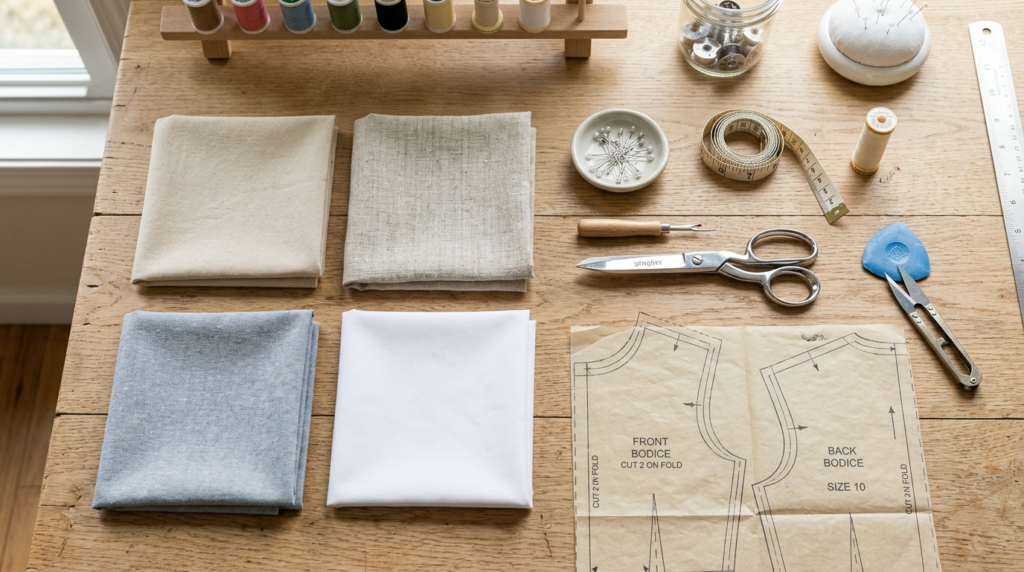
Many people starting dressmaking for beginners focus heavily on the sewing machine or pattern selection, but fabric often plays an even bigger role in how easy a project feels. The best fabrics for beginner dress sewing patterns are stable, easy to handle, and forgiving when mistakes happen.
When beginners choose beginner-friendly fabrics, sewing becomes more enjoyable, less stressful, and much easier to learn.
Why Cotton Fabrics Are Easiest for Beginners
Cotton is widely considered the best fabric for beginner dress sewing patterns — and for good reason. Cotton fabrics are stable, easy to cut, and simple to sew compared to slippery or stretchy materials.
For most easy dress sewing patterns, cotton provides several advantages:
- Fabric stays in place while cutting
- Seams are easier to sew straight
- Fabric presses well with an iron
- Mistakes are easier to fix
- Cotton is widely available and affordable
- Many prints and colors are beginner-friendly
Lightweight cotton and cotton blends work especially well for simple dress sewing patterns like shift dresses, smock dresses, and casual summer dresses.
Cotton fabrics also help beginners practice important sewing techniques without constantly fighting the fabric itself. This makes cotton one of the smartest choices for first-time beginner sewing projects.
Stable Woven Fabrics vs Stretchy Knit Fabrics
Understanding the difference between woven and knit fabrics is essential when working with beginner dress sewing patterns.
Stable Woven Fabrics
Woven fabrics are generally the easiest option for beginners. These fabrics hold their shape well and do not stretch excessively during sewing.
Popular beginner-friendly woven fabrics include:
- Quilting cotton
- Cotton lawn
- Linen blends
- Chambray
- Rayon linen blends
- Lightweight poplin
Stable woven fabrics are ideal for many easy sewing patterns because they are easier to cut accurately and feed smoothly through the sewing machine.
Stretchy Knit Fabrics
Knit fabrics stretch naturally, making them more comfortable but also more difficult to sew. Beginners often struggle with knit fabrics because they can:
- Curl at the edges
- Stretch unevenly while sewing
- Create wavy seams
- Require special needles or stitches
Although some t-shirt dress sewing patterns use knit fabrics, beginners usually have a much easier experience starting with woven fabrics first.
For most beginner dress sewing patterns, stable woven fabrics provide the best balance between comfort and ease of sewing.
Lightweight vs Medium-Weight Fabrics Explained
Fabric weight also affects how easy a project feels. Some fabrics are extremely thin and slippery, while others are thick and difficult to manage.
Lightweight Fabrics
Lightweight fabrics are soft and breathable, making them popular for dresses. However, some lightweight fabrics can shift during cutting or sewing.
Beginner-friendly lightweight fabrics include:
- Cotton lawn
- Voile
- Lightweight chambray
- Soft cotton blends
These work well for relaxed easy maxi dress sewing patterns and lightweight summer dresses.
Medium-Weight Fabrics
Medium-weight fabrics are often the easiest choice for beginner dress sewing patterns because they are stable and easier to control.
Examples include:
- Quilting cotton
- Linen blends
- Poplin
- Medium-weight chambray
These fabrics are ideal for beginners practicing straight seams, hemming, and garment assembly.
Extremely heavy fabrics, however, may be difficult for beginner sewing machines to handle properly.
Fabrics Beginners Should Avoid Initially
While experimenting with fabric is part of the fun of sewing, some materials are unnecessarily difficult for new sewists. When learning with beginner dress sewing patterns, avoiding frustrating fabrics can make a huge difference in confidence and results.
Beginners should avoid fabrics like:
- Silk
- Satin
- Chiffon
- Velvet
- Sequined fabrics
- Very stretchy jersey knits
- Slippery rayon
- Heavy denim
These fabrics often shift, stretch, fray, or require advanced sewing techniques that are better suited for experienced sewists.
For early dress sewing patterns for beginners, simple and stable fabrics allow beginners to focus on learning construction techniques instead of constantly correcting fabric problems.
How Fabric Choice Affects Sewing Difficulty
Fabric can completely change how difficult a sewing project feels—even when using the exact same beginner dress sewing patterns.
For example:
- Stable cotton is easier to sew accurately
- Slippery satin moves while cutting
- Stretch fabrics require careful machine control
- Thick fabrics create bulky seams
- Delicate fabrics fray quickly
The easier the fabric is to manage, the easier the entire sewing experience becomes.
This is why many experienced sewists recommend starting easy sewing projects with basic woven cotton fabrics first. Once beginners gain confidence with sewing techniques, they can gradually explore more advanced materials and garment styles.
Choosing beginner-friendly fabric also improves:
- Stitch quality
- Garment appearance
- Sewing speed
- Pattern accuracy
- Overall enjoyment of the project
Good fabric selection often determines whether a beginner finishes a project proudly or abandons it halfway through.
Tips for Prewashing Fabric Before Sewing
Prewashing fabric is one of the most important steps in preparing for beginner dress sewing patterns, yet many beginners accidentally skip it.
Fabric can shrink, fade, or change texture after washing. If fabric is not prewashed before sewing, the finished dress may shrink or distort after its first wash.
Before starting any easy dress sewing patterns, beginners should:
- Wash fabric according to care instructions
- Dry fabric fully before cutting
- Iron fabric to remove wrinkles
- Check for fabric shrinkage
- Straighten fabric grain if needed
Prewashing also helps soften fabric and removes chemicals or finishes applied during manufacturing.
This simple preparation step can dramatically improve the final result of DIY dress sewing projects and helps ensure that handmade garments fit properly after laundering.
For anyone learning sewing clothes for beginners, developing good fabric preparation habits early makes future sewing projects much easier and more professional-looking.
Easy Beginner Dress Sewing Patterns Styles to Try
One of the best things about learning to sew is discovering how many beautiful garments can be created with simple techniques. Many beginner dress sewing patterns are specifically designed to help new sewists practice foundational skills while still making stylish, wearable clothing.
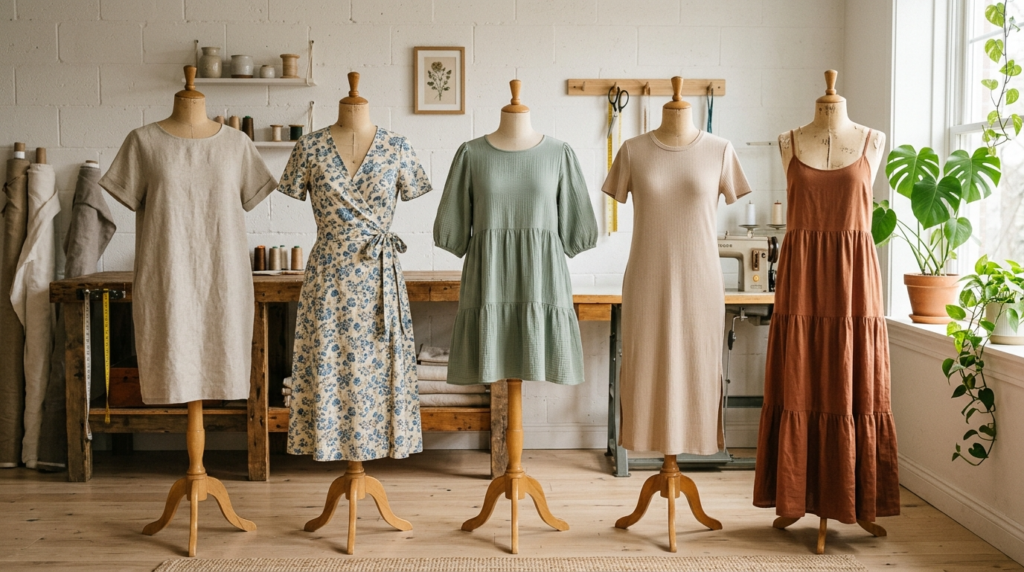
The key to success with beginner dress sewing patterns is choosing styles that are forgiving, easy to fit, and uncomplicated to construct. Simple silhouettes allow beginners to focus on learning sewing basics instead of struggling with advanced tailoring or difficult closures.
Whether you want something casual, trendy, flowy, or comfortable, there are many easy dress sewing patterns that work perfectly for first-time garment projects.
Shift Dress Sewing Patterns
Among all beginner dress sewing patterns, shift dresses are often considered one of the easiest options for new sewists. Their relaxed shape and simple construction make them ideal for building confidence while practicing basic sewing skills.
Loose-Fitting and Easy Construction
Shift dresses are known for their straight, loose silhouette that hangs comfortably from the shoulders without requiring complicated shaping.
This style is beginner-friendly because it typically includes:
- Simple front and back pattern pieces
- Minimal fitting adjustments
- Straight seams that are easier to sew
- Easy neckline finishes
- Comfortable wearable designs
Many simple dress sewing patterns use shift dress styles because they are approachable for beginners while still looking modern and stylish.
Minimal Shaping and Simple Seams
Unlike fitted garments that require darts, princess seams, or advanced tailoring, shift dresses rely on clean, simple lines. This makes sewing much less intimidating for beginners learning dressmaking for beginners.
The uncomplicated construction helps beginners practice:
- Sewing straight seams
- Pressing seams correctly
- Basic hemming techniques
- Accurate cutting and alignment
These are foundational skills that apply to nearly all future easy sewing projects.
Great First Project for Absolute Beginners
For many sewists, a shift dress becomes their very first successful garment. The forgiving fit means small sewing imperfections are less noticeable, which helps reduce frustration while learning.
Many dress sewing patterns for beginners recommend shift dresses because they are:
- Fast to complete
- Easy to customize
- Comfortable to wear
- Suitable for many fabrics
- Ideal for practicing sewing basics
A simple shift dress can quickly boost confidence and motivate beginners to continue sewing more advanced garments later.
Wrap Dress Sewing Patterns
Wrap dresses are another popular choice in beginner dress sewing patterns because they combine comfort, adjustability, and timeless style. Many beginner-friendly wrap dresses avoid complicated closures while still looking elegant and flattering.
Adjustable Fit for Different Body Types
One major advantage of wrap dresses is their flexible fit. The adjustable waist tie allows wearers to tighten or loosen the dress comfortably, making fitting much easier for beginners.
This flexibility helps reduce common beginner sewing concerns such as:
- Incorrect sizing
- Minor sewing inaccuracies
- Fit adjustments
- Waist placement issues
Because of this, wrap styles remain some of the most forgiving easy dress sewing patterns available.
Beginner-Friendly Wrap Styles Available
Not all wrap dresses are advanced sewing projects. Many modern beginner dress sewing patterns simplify the design by using:
- Fewer pattern pieces
- Relaxed silhouettes
- Simple sleeve styles
- Easy neckline construction
- Minimal finishing techniques
These simplified versions are perfect for sewists exploring DIY dress sewing for the first time.
Simple Waist Tie Construction Tips
The waist tie is one of the defining features of wrap dresses, but beginner patterns usually keep the construction simple.
Helpful beginner tips include:
- Use lightweight woven fabric for easier tying
- Interface tie pieces for extra structure
- Press ties carefully before sewing
- Sew slowly around corners for cleaner edges
Mastering simple waist ties helps beginners gain confidence with detailed sewing techniques while still working within manageable projects.
Maxi Dress Sewing Patterns
Flowy, comfortable, and stylish, maxi dresses are extremely popular in modern beginner dress sewing patterns. Their relaxed structure makes them surprisingly beginner-friendly despite their dramatic appearance.
Comfortable and Trendy Beginner Project
Many beginners love maxi dresses because they feel fashionable while remaining relatively simple to sew.
Most beginner-friendly maxi dresses feature:
- Loose silhouettes
- Elastic waistbands
- Simple bodices
- Minimal closures
- Straightforward skirt construction
These features make maxi dresses ideal easy sewing patterns for sewists who want stylish handmade clothing without advanced sewing complexity.
Easy Elastic Waist Options
Elastic waistbands are common in easy maxi dress sewing patterns because they eliminate the need for difficult zipper installations.
Elastic waist construction is beginner-friendly because it:
- Simplifies fitting
- Creates comfortable garments
- Reduces sewing difficulty
- Allows flexibility in sizing
- Speeds up project completion
Learning to sew elastic waistlines is also a useful skill for many other beginner sewing projects.
Flowy Fabrics That Work Well for Beginners
Many maxi dresses use lightweight woven fabrics such as:
- Cotton lawn
- Rayon blends
- Linen blends
- Soft poplin
These fabrics drape beautifully while remaining manageable for beginners. Choosing stable fabrics helps new sewists avoid frustration while working on longer garments.
T-Shirt Dress Sewing Patterns
For casual everyday wear, t-shirt dresses are some of the most comfortable and practical beginner dress sewing patterns available.
Casual Everyday Sewing Project
T-shirt dresses combine comfort and simplicity, making them ideal for beginners who want wearable results quickly.
These dresses are popular because they are:
- Relaxed and comfortable
- Quick to sew
- Easy to customize
- Great for casual wardrobes
- Suitable for beginner sewing practice
Many sewists enjoy making multiple versions using different fabrics and sleeve lengths.
Stretch Fabric Basics for Beginners
Unlike many woven beginner projects, t-shirt dresses often use knit fabrics. While knits can be slightly more challenging, beginner-friendly patterns simplify the process considerably.
Beginners learning knit sewing should:
- Use ballpoint sewing machine needles
- Avoid stretching fabric while sewing
- Practice stitches on scrap fabric first
- Sew slowly for better seam control
These techniques help beginners build confidence while exploring stretch fabrics in easy sewing projects.
Comfortable and Quick to Sew
Most t-shirt dresses have relaxed fits and uncomplicated construction, making them faster to complete than many structured garments.
Quick finishes help maintain motivation and encourage beginners to continue improving their sewing skills through regular practice.
Smock Dress Sewing Patterns
Smock dresses are among the most forgiving and beginner-friendly styles in modern beginner dress sewing patterns. Their loose fit and soft gathers create a comfortable, relaxed look that works beautifully for new sewists.
Relaxed Fit with Forgiving Construction
Smock dresses are intentionally loose and flowy, which makes fitting much easier for beginners.
Their forgiving construction means:
- Small sewing mistakes are less noticeable
- Fitting adjustments are minimal
- Simple seams dominate the design
- Comfortable wearability is prioritized
This makes smock dresses perfect for beginners exploring sewing clothes for beginners for the first time.
Ideal for Practicing Gathers and Ruffles
Many smock dress designs include gathered skirts or soft ruffle details, allowing beginners to practice decorative sewing techniques without overwhelming complexity.
These projects help beginners learn:
- Basic gathering methods
- Ruffle attachment techniques
- Fabric distribution control
- Decorative finishing details
Learning these techniques gradually builds confidence for future garment projects.
Popular Cottagecore-Inspired Sewing Project
The popularity of cottagecore fashion has made smock dresses one of the trendiest beginner dress sewing patterns in recent years.
Their romantic, handmade appearance pairs beautifully with:
- Floral cotton fabrics
- Linen blends
- Puff sleeves
- Soft neutral tones
- Vintage-inspired details
For beginners interested in creative fashion sewing, smock dresses offer the perfect balance between simplicity and style.
Tips to Make Beginner Dress Sewing Patterns Easier
Learning to sew can feel overwhelming in the beginning, especially when working on your first garments. Even simple mistakes can sometimes feel frustrating. The good news is that sewing becomes much easier with practice, patience, and the right approach. Many sewists improve quickly by choosing realistic projects and developing strong sewing habits early on.
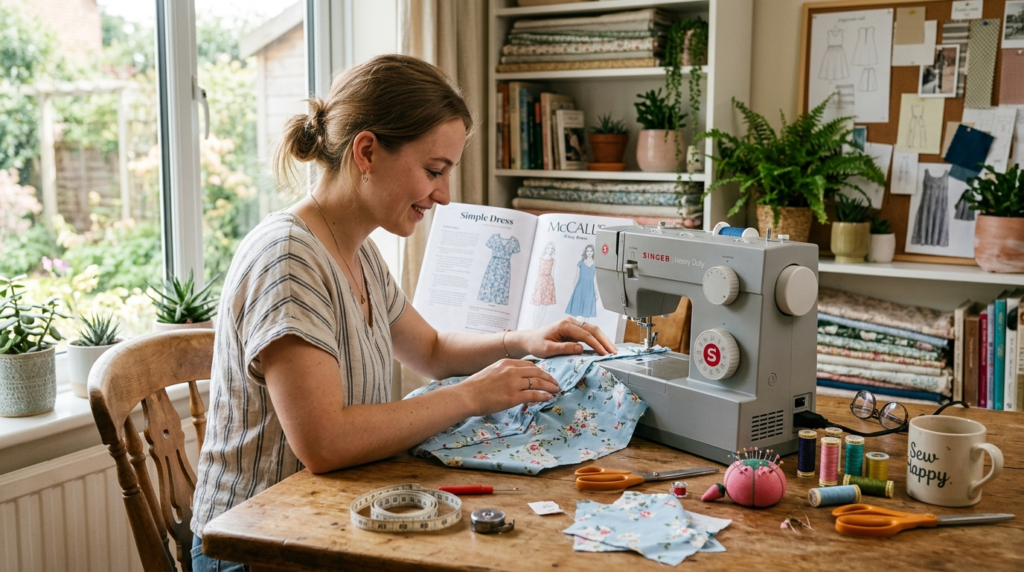
The best way to succeed with beginner dress sewing patterns is to focus on steady progress instead of perfection. Every project teaches valuable skills, even when mistakes happen. With the right mindset and a few practical strategies, beginners can enjoy the learning process while building confidence through each completed dress.
Start with Simple Patterns and Minimal Details
One of the biggest mistakes beginners make is choosing patterns that are too advanced too soon. Complex garments with zippers, structured tailoring, intricate sleeves, or difficult fabrics can quickly become discouraging.
Instead, new sewists should begin with beginner dress sewing patterns that focus on simple construction and minimal details.
The best beginner-friendly patterns often include:
- Loose-fitting silhouettes
- Straight seams
- Elastic waistbands
- Minimal pattern pieces
- Simple necklines
- Easy hemming techniques
Styles like shift dress sewing patterns, smock dress sewing patterns, and relaxed maxi dress sewing patterns are ideal starting points because they are forgiving and easier to assemble.
Simple projects allow beginners to concentrate on mastering essential sewing skills before attempting advanced garment construction.
Practice Sewing on Scrap Fabric First
Before sewing actual garment pieces, it is extremely helpful to practice techniques on scrap fabric. This simple habit can prevent many common beginner mistakes while improving machine confidence.
Practicing on scraps helps beginners learn:
- Sewing machine speed control
- Straight stitching accuracy
- Thread tension adjustments
- Seam allowance consistency
- Fabric handling techniques
For many beginner dress sewing patterns, practicing seams and stitches beforehand makes the entire project feel less intimidating.
Using scrap fabric is especially important when learning:
- Curved seams
- Gathering techniques
- Elastic insertion
- Hemming
- Topstitching
Even experienced sewists regularly test stitches before starting new easy sewing projects.
Use Online Tutorials and Sewing Communities
One of the best things about modern sewing is the huge amount of free learning resources available online. Beginners no longer have to figure everything out alone.
Many people learning dressmaking for beginners improve much faster by using:
- YouTube sewing tutorials
- Sewing blogs
- Pinterest sewing inspiration
- Facebook sewing groups
- Reddit sewing communities
- Beginner sewing forums
Video tutorials are especially helpful because they allow beginners to visually follow each step of beginner dress sewing patterns in real time.
Online sewing communities also provide:
- Troubleshooting advice
- Fabric recommendations
- Pattern reviews
- Beginner encouragement
- Creative inspiration
Connecting with other sewists can make learning feel much less frustrating and far more motivating.
Learn Basic Garment Fitting Techniques
Perfect garment fitting takes time to master, but learning a few simple adjustments early can dramatically improve sewing results.
Many beginner dress sewing patterns are designed with relaxed fits, which makes fitting easier for new sewists. However, understanding basic adjustments still helps create more comfortable and flattering garments.
Helpful beginner fitting skills include:
- Taking accurate body measurements
- Understanding ease in sewing patterns
- Adjusting dress length
- Shortening straps or sleeves
- Simple waist adjustments
Even small fitting improvements can make handmade dresses feel much more professional and wearable.
Beginners should remember that commercial sizing often differs from ready-to-wear clothing sizes. Measuring carefully before cutting fabric is one of the most important habits in sewing clothes for beginners.
Take Breaks to Avoid Sewing Frustration
Sewing while frustrated often leads to more mistakes. Many beginners feel tempted to rush through projects when problems occur, but taking short breaks is usually far more productive.
When working on beginner dress sewing patterns, breaks help:
- Reduce stress and frustration
- Improve focus and accuracy
- Prevent careless sewing mistakes
- Make troubleshooting easier
- Keep sewing enjoyable
Sometimes stepping away from a project for even 15 minutes can completely reset your mindset.
Sewing is a skill that improves gradually over time. Trying to force perfection in a single project often creates unnecessary pressure for beginners.
Celebrate Progress Instead of Perfection
Perhaps the most important sewing tip of all is learning to appreciate progress rather than expecting flawless results immediately.
Every sewist makes mistakes—crooked seams, uneven hems, fitting issues, and stitching errors are all part of learning. What matters most is continuing to practice and improve with each project.
Each completed beginner dress sewing patterns project teaches valuable lessons such as:
- Better fabric handling
- Improved machine control
- More accurate cutting
- Cleaner seam finishing
- Greater sewing confidence
Instead of focusing on imperfections, beginners should celebrate every finished project and every new skill learned along the way.
The beauty of DIY dress sewing is not achieving factory-level perfection. It is about creativity, learning, self-expression, and the satisfaction of making something with your own hands.
Over time, even simple easy sewing patterns become stepping stones toward more advanced garment sewing skills.
Beginner Dress Sewing Patterns Trends in 2026
The world of beginner dress sewing patterns continues to evolve in 2026 as more people embrace handmade fashion, creative self-expression, and sustainable clothing choices. What was once considered a niche hobby has now become a major part of modern DIY culture. From Pinterest trends to TikTok sewing creators, interest in beginner dress sewing patterns has exploded among people looking for stylish, affordable, and customizable clothing.
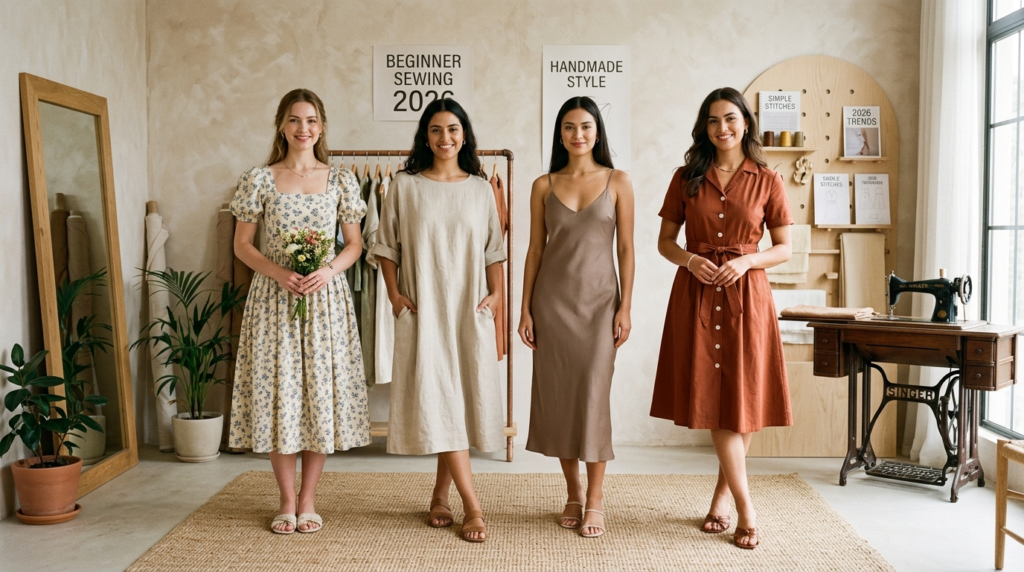
One of the biggest reasons for the popularity of beginner dress sewing patterns is the growing desire for comfortable fashion and slow, intentional wardrobes. Sewists are no longer just learning basic sewing skills—they are using beginner dress sewing patterns to create unique clothing that reflects personal style while avoiding mass-produced fashion.
In 2026, many of the most popular easy dress sewing patterns focus on comfort, simplicity, and timeless aesthetics that are approachable for new sewists.
Cottagecore-Inspired Dresses
Cottagecore fashion continues to dominate the sewing world, making it one of the strongest trends in beginner dress sewing patterns this year. Inspired by romantic countryside aesthetics, cottagecore dresses emphasize soft silhouettes, natural fabrics, and vintage-inspired details.
Popular cottagecore-inspired beginner dress sewing patterns often feature:
- Puff sleeves
- Gathered skirts
- Smocked bodices
- Soft floral prints
- Loose-fitting silhouettes
- Ruffle details
These dresses are especially popular because many cottagecore styles naturally work well as simple dress sewing patterns. Their relaxed structure and forgiving fit make them ideal for beginners learning dressmaking for beginners.
Many new sewists are drawn to cottagecore-inspired beginner sewing projects because the finished garments feel feminine, handmade, and highly customizable.
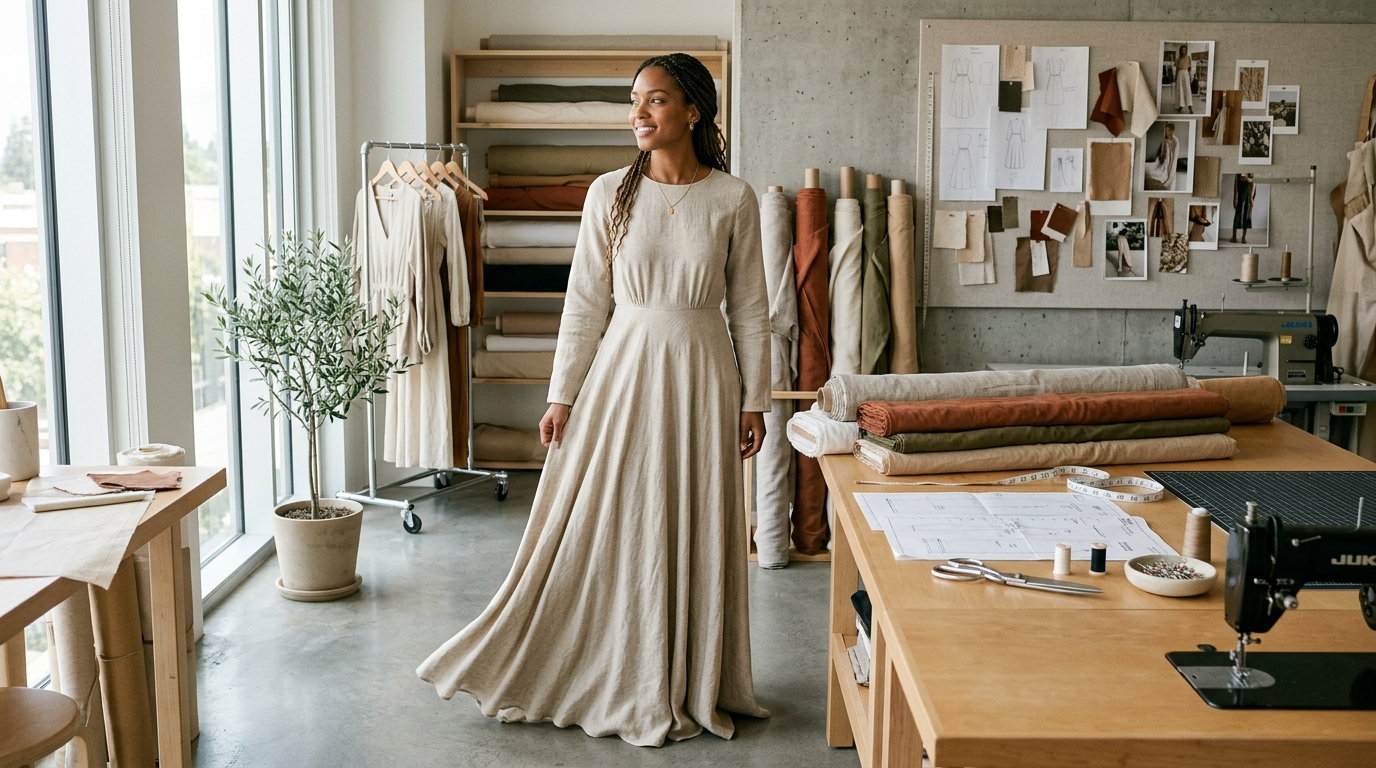
Minimalist Linen Dress Patterns
Minimalist fashion is another major influence shaping modern beginner dress sewing patterns in 2026. Simple linen dresses with clean silhouettes and neutral tones are becoming increasingly popular among sewists who prefer timeless wardrobe staples.
Minimalist beginner dress sewing patterns usually focus on:
- Clean lines
- Neutral color palettes
- Relaxed shapes
- Functional pockets
- Breathable fabrics
- Comfortable everyday wear
Linen and linen-blend fabrics pair beautifully with easy sewing patterns because they create elegant garments without requiring overly complicated construction.
Many beginners choose minimalist dress styles because they are versatile, wearable, and often easier to sew than highly structured garments. Relaxed linen dresses also complement the growing interest in capsule wardrobes and slow fashion.
Vintage-Inspired Beginner Sewing Projects
Vintage fashion continues to inspire many modern beginner dress sewing patterns, especially styles influenced by the 1930s, 1950s, and 1970s.
Vintage-inspired dress sewing patterns for beginners often include:
- Fit-and-flare silhouettes
- Button-front dresses
- Soft gathered skirts
- Feminine waistlines
- Retro-inspired necklines
- Classic sleeve designs
While some authentic vintage sewing patterns can be advanced, many modern designers now create simplified retro-inspired versions specifically for beginners.
These updated easy dress sewing patterns combine nostalgic style with beginner-friendly construction methods, making vintage fashion much more accessible to new sewists.
The popularity of vintage-inspired DIY dress sewing also reflects a growing appreciation for timeless clothing instead of fast-changing fashion trends.
Sustainable Slow Fashion Sewing Trends
One of the biggest reasons people are exploring beginner dress sewing patterns today is sustainability. More consumers are becoming aware of the environmental impact of fast fashion and are looking for ways to create more intentional wardrobes.
The rise of slow fashion has made beginner dress sewing patterns especially attractive because sewing allows people to:
- Create longer-lasting garments
- Choose sustainable fabrics
- Reduce clothing waste
- Repair and customize clothing
- Avoid mass-produced fashion
Many sewists now prioritize quality over quantity, choosing to make fewer but better garments using easy sewing projects and timeless styles.
Natural fabrics like cotton, linen, and hemp are becoming increasingly popular in sustainable beginner dress sewing patterns because they are breathable, durable, and environmentally friendlier than synthetic alternatives.
This shift toward handmade clothing has transformed sewing from a practical skill into part of a broader sustainable lifestyle movement.
Relaxed Oversized Dress Silhouettes
Comfort remains one of the strongest influences in modern fashion, which is why oversized styles continue to dominate beginner dress sewing patterns in 2026.
Relaxed oversized dresses are especially beginner-friendly because they require less precise fitting and allow greater flexibility during sewing.
Popular oversized beginner dress sewing patterns often include:
- Loose smock dresses
- Oversized shirt dresses
- Relaxed t-shirt dresses
- Flowing maxi dresses
- Boxy linen dresses
These silhouettes are ideal for sewing clothes for beginners because:
- They are forgiving to sew
- Small mistakes are less noticeable
- Fitting adjustments are simpler
- Construction techniques are often easier
Oversized garments also align perfectly with current fashion preferences for comfortable, wearable everyday clothing.
DIY Fashion Movement Growth
The continued rise of social media has played a major role in the growing popularity of beginner dress sewing patterns. Platforms like Pinterest, TikTok, Instagram, and YouTube have introduced millions of people to the world of DIY fashion.
Many beginners are now discovering:
- Sewing tutorials
- Free PDF sewing patterns
- Fabric recommendations
- Beginner sewing tips
- Online sewing communities
- Handmade fashion inspiration
This online visibility has helped transform sewing into a highly creative and aspirational hobby.
The modern DIY fashion movement encourages people to personalize clothing, experiment with fabrics, and create garments that reflect individual style rather than mass-market trends.
As a result, beginner dress sewing patterns are no longer viewed as simple learning tools—they are becoming part of a larger movement centered around creativity, sustainability, and self-expression.
With more accessible resources and beginner-friendly sewing education available than ever before, 2026 is shaping up to be one of the biggest years yet for new sewists entering the world of handmade fashion.
Conclusion
Learning to sew your own clothes can feel intimidating at first, but beginner dress sewing patterns make the process surprisingly approachable. With the right pattern, beginner-friendly fabrics, and a little patience, you can create dresses that look beautiful, fit comfortably, and reflect your personal style.
Remember — every experienced sewist started with uneven seams, crooked stitches, and small mistakes. That’s part of the process! The key is choosing easy sewing projects that help you build skills gradually while still having fun along the way.
So grab your fabric, thread your sewing machine, and start creating. Your first handmade dress might just become your favorite thing in your wardrobe.
0 Comments