Learn sewing without frustration with our easy-to-follow guide. Discover the best way to start sewing, from choosing the right machine to mastering basic stitches.
Are you eager to learn sewing but don’t know where to start? Do you feel overwhelmed by the numerous tutorials and sewing classes available online? Worry not! In this article, we’ll take you by the hand and guide you through the easiest way to learn sewing without frustration. By the end of this journey, you’ll be confidently creating your own garments and home decor items.
Choosing the Right Sewing Machine for Beginners
————————————————
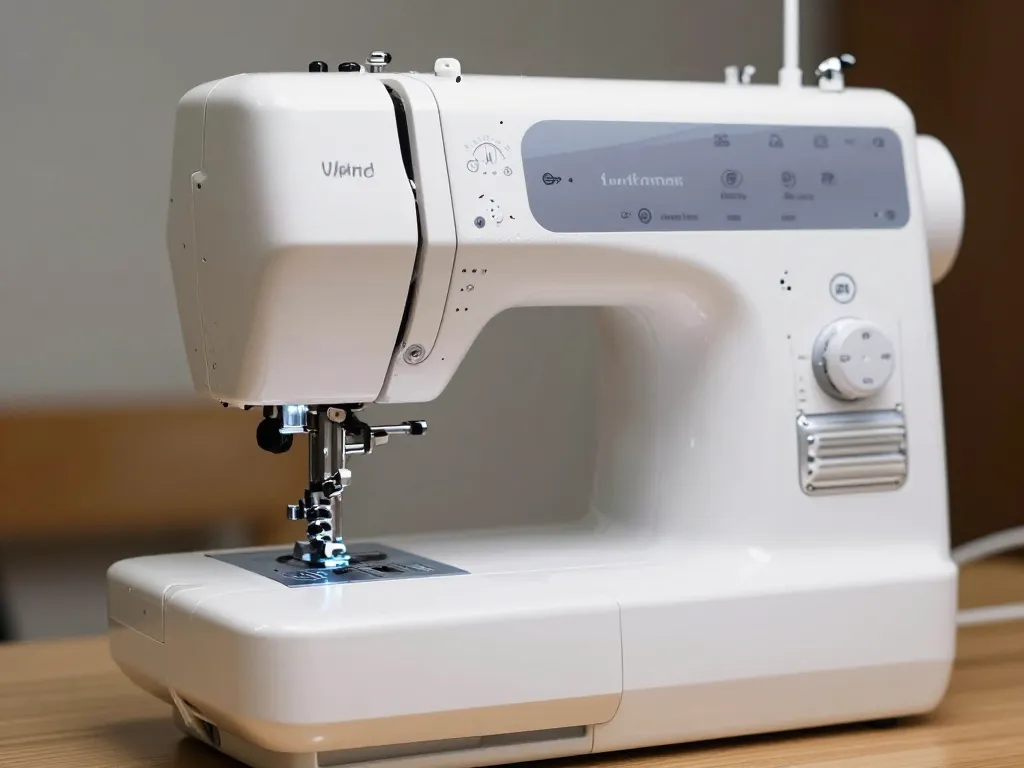
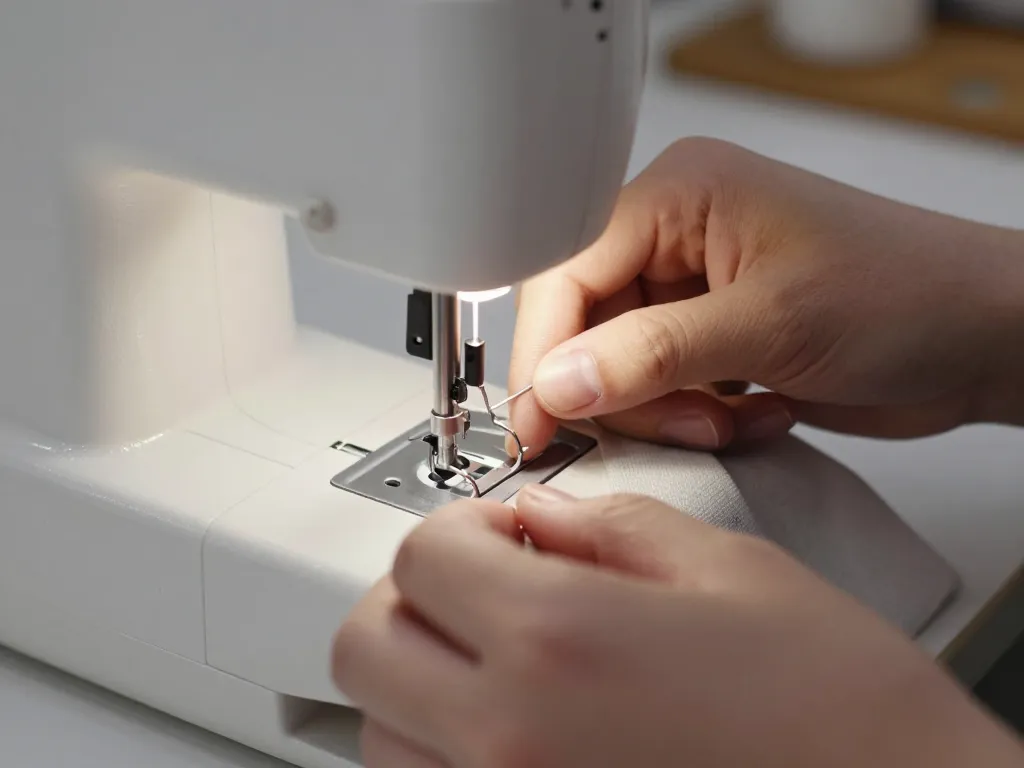
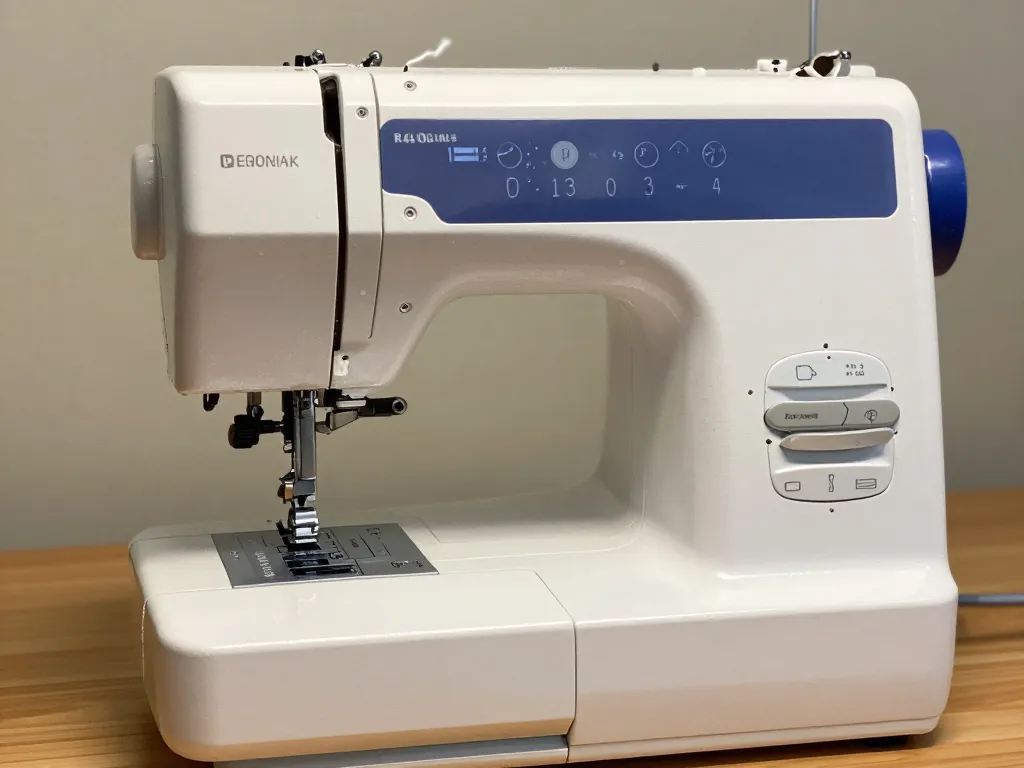
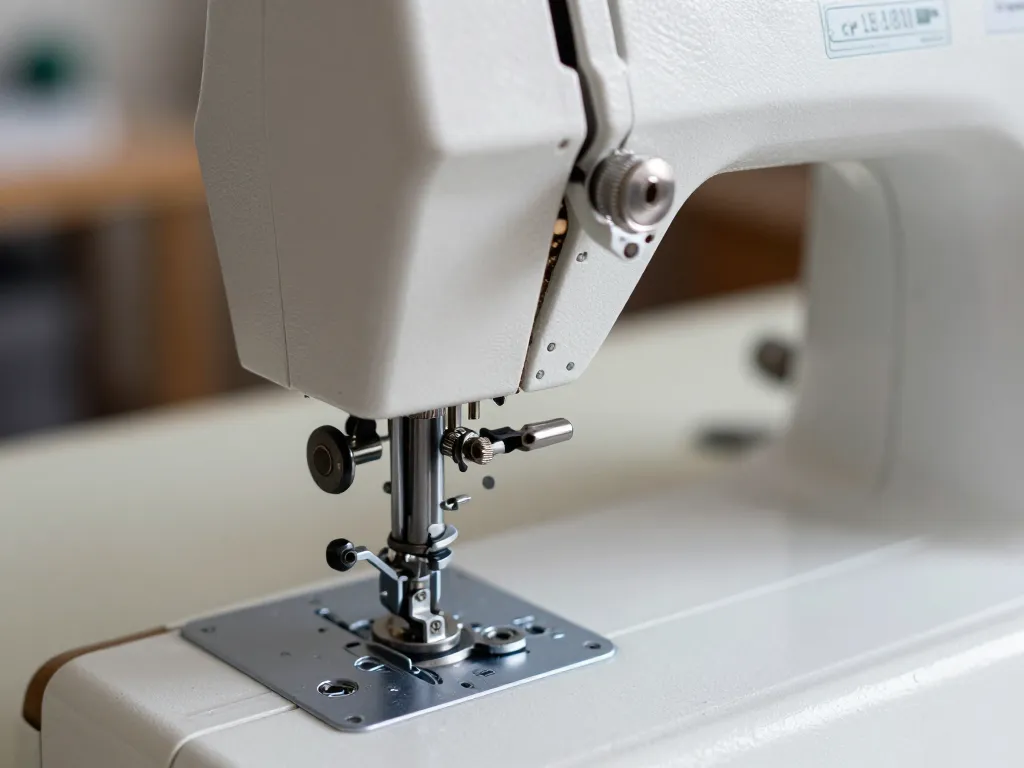
The first step in learning sewing is to choose the right machine. With so many options available in the market, it can be daunting to pick the perfect one. As a beginner, you don’t need to invest in a high-end machine with advanced features. A basic, mechanical machine with a few stitch options will suffice. Look for a machine with a free arm, which allows you to sew cuffs and sleeves easily. Additionally, consider a machine with a built-in needle threader, as it will save you time and frustration.
Understanding Sewing Terminology
——————————-
Before you start sewing, it’s essential to understand the basic terminology. Familiarize yourself with words like warp, weft, grainline, and selvage. Knowing these terms will help you follow patterns and instructions with ease. You can find plenty of resources online that explain sewing terminology in detail. Take some time to learn these basic concepts, and you’ll be well-prepared to start your sewing journey.
Basic Sewing Supplies You’ll Need
——————————–
Apart from a sewing machine, you’ll need a few basic supplies to get started. These include:
A good quality sewing book or online tutorial
A set of sharp, dedicated sewing scissors
A seam ripper (just in case!)
A measuring tape or sewing gauge
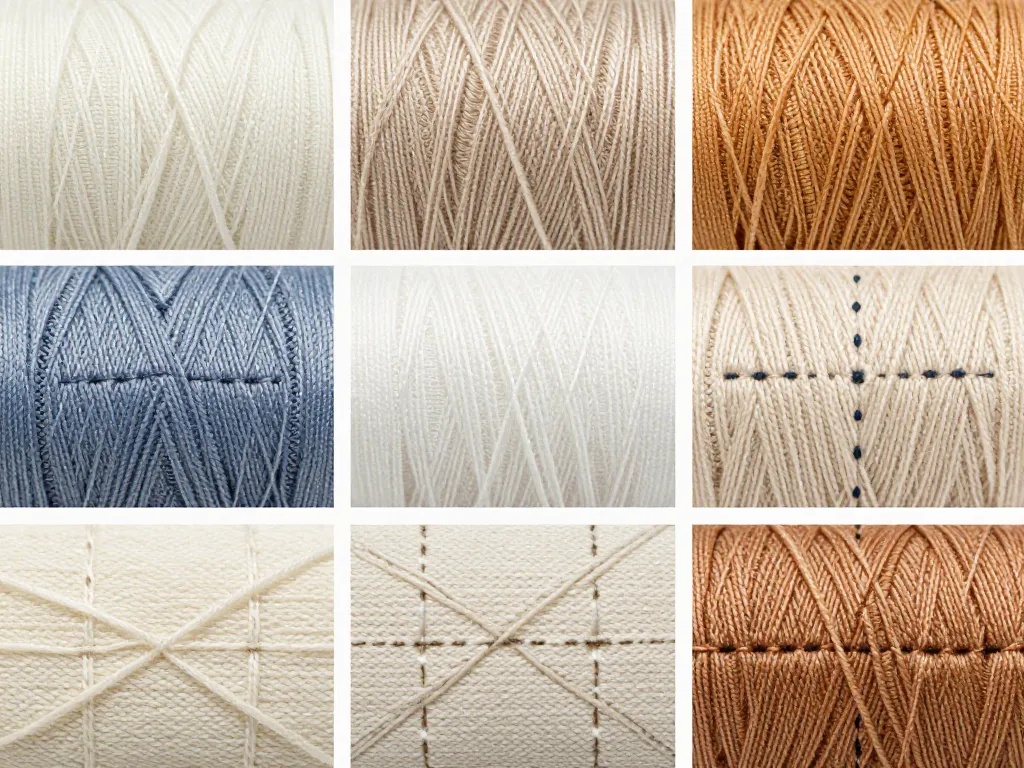
A variety of threads and fabrics to practice with
Starting with Simple Projects
—————————–
The best way to learn sewing is by starting with simple projects. Begin with a basic tote bag, a pillowcase, or a potholder. These projects require minimal pieces and are quick to complete. As you gain confidence, you can move on to more complex projects like garments and home decor items. Remember, the key to learning sewing is to practice regularly and be patient with yourself.
Mastering Basic Stitches
————————-
The next step in learning sewing is to master basic stitches. Start with a straight stitch, which is the most common stitch used in sewing. Practice sewing straight lines, then move on to curved lines and circles. Once you’re comfortable with the straight stitch, you can learn more advanced stitches like the backstitch, running stitch, and zigzag stitch.
Tips for Avoiding Frustration
—————————–
Learning sewing can be frustrating at times, especially when you’re new to it. Here are a few tips to help you avoid frustration:
Start with simple projects and gradually move on to complex ones
Practice regularly to build your skills and confidence
Don’t be too hard on yourself if you make mistakes – they’re an essential part of the learning process
Watch online tutorials and take classes to learn new skills and techniques
Common Mistakes to Avoid
————————-
As a beginner, you’re bound to make mistakes. Here are a few common mistakes to avoid:
Not pressing your seams as you go
Not using the correct thread tension
Not backstitching at the beginning and end of your seams
Not using a walking foot or Teflon foot for slippery fabrics
Conclusion
———-
Learning sewing doesn’t have to be frustrating or overwhelming. By following these simple steps, you can start sewing with confidence and ease. Remember to practice regularly, be patient with yourself, and don’t be afraid to make mistakes. With time and practice, you’ll become a skilled sewer, creating beautiful garments and home decor items that you’ll cherish for years to come. So, what are you waiting for? Get started with your sewing journey today and discover the joy of creating something with your own hands!
0 Comments