Learn to sew with confidence! Follow our Sewing Lessons for Beginners Guide-friendly guide to master the basics, from choosing the right machine to creating your first project.
Are you tired of watching sewing tutorials online, feeling overwhelmed, and wondering why you can’t seem to get the hang of it? You’re not alone! Sewing can be intimidating, especially for beginners. So you read this sewing lessons for beginners guide
But fear not, dear reader, because we’re about to take the mystery out of sewing and make it click for you. In this comprehensive guide, we’ll walk you through the step-by-step process of learning to sew, from the very basics to creating your first project.
Choosing the Right Sewing Machine for Beginners
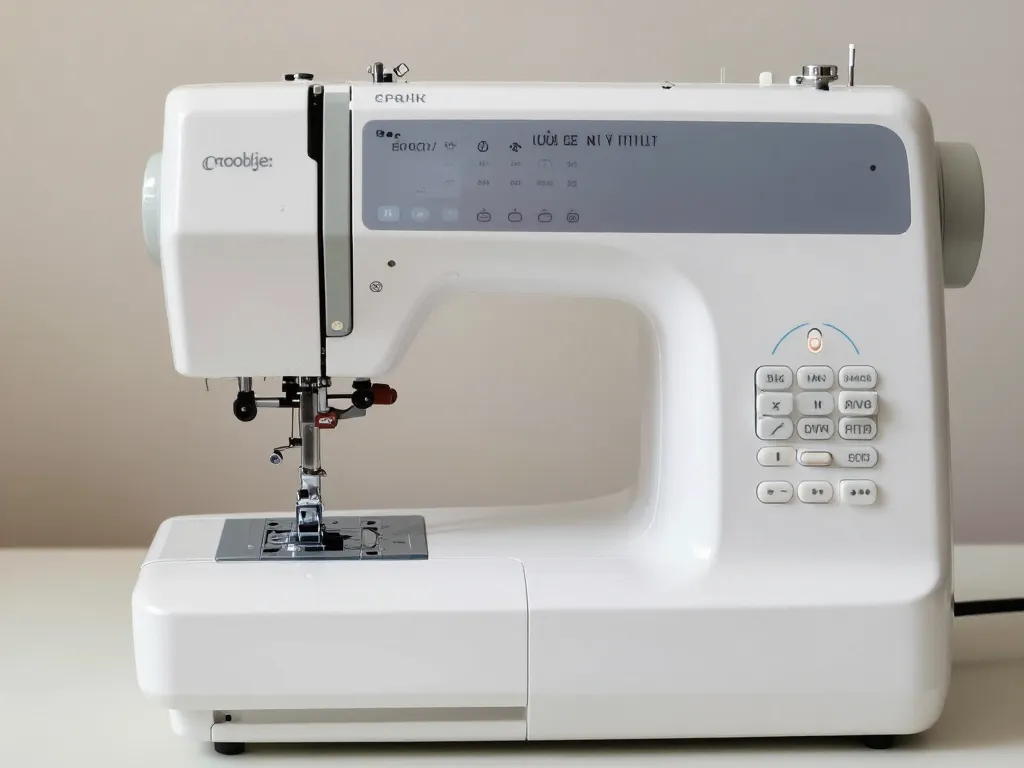
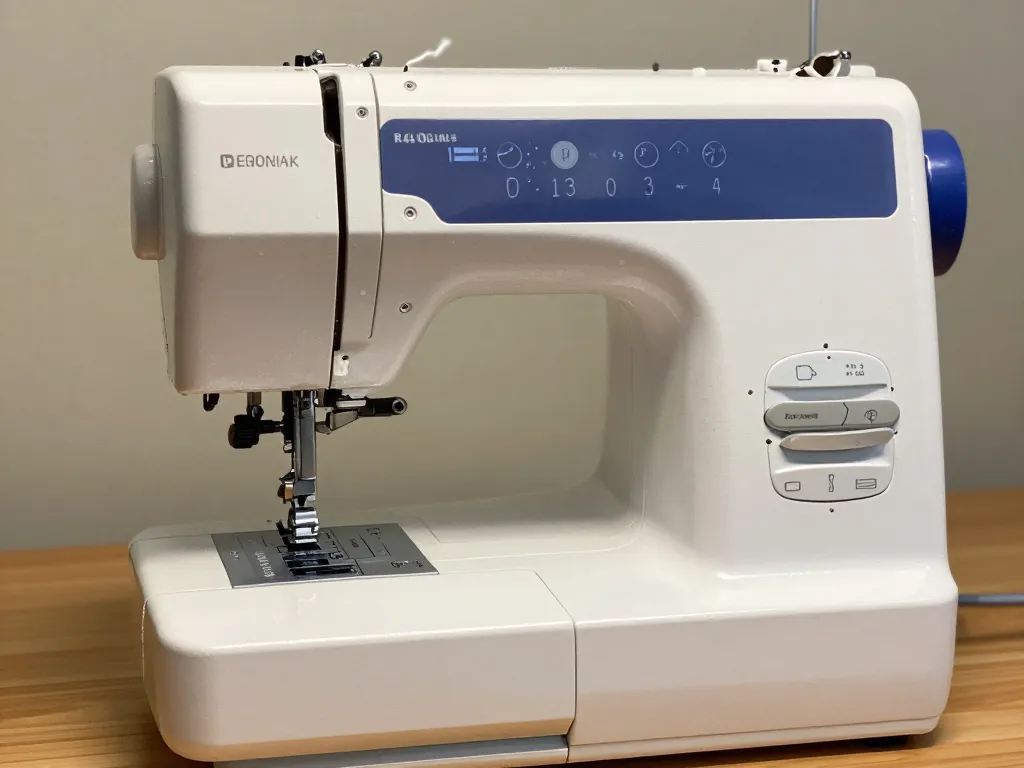
Before we dive into the nitty-gritty of sewing, it’s essential to have the right tool for the job. With so many sewing machines on the market, it can be daunting to choose the perfect one. Fear not, dear beginner! Here are a few tips to help you make the right choice:
When selecting a sewing machine, consider the type of projects you want to work on. If you’re interested in garment sewing, look for a machine with a variety of stitch options and a free arm. If you’re more into home decor or quilting, a machine with a larger throat space and a walking foot might be more suitable.
Setting Up Your Sewing Space
Now that you have your machine, it’s time to set up your sewing space. A well-organized workspace can make all the difference in your sewing journey. Here are a few tips to get you started:
Designate a specific area for your sewing machine and supplies. This will help you stay focused and avoid clutter. Invest in a comfortable, ergonomic chair and a sewing table or desk with good lighting. You’ll be spending hours here, so make it count!
Understanding Sewing Terminology
Sewing has its own language, and understanding the terminology is crucial to becoming a proficient sewer. Don’t worry, we’ve got you covered! Here are a few essential terms to get you started:
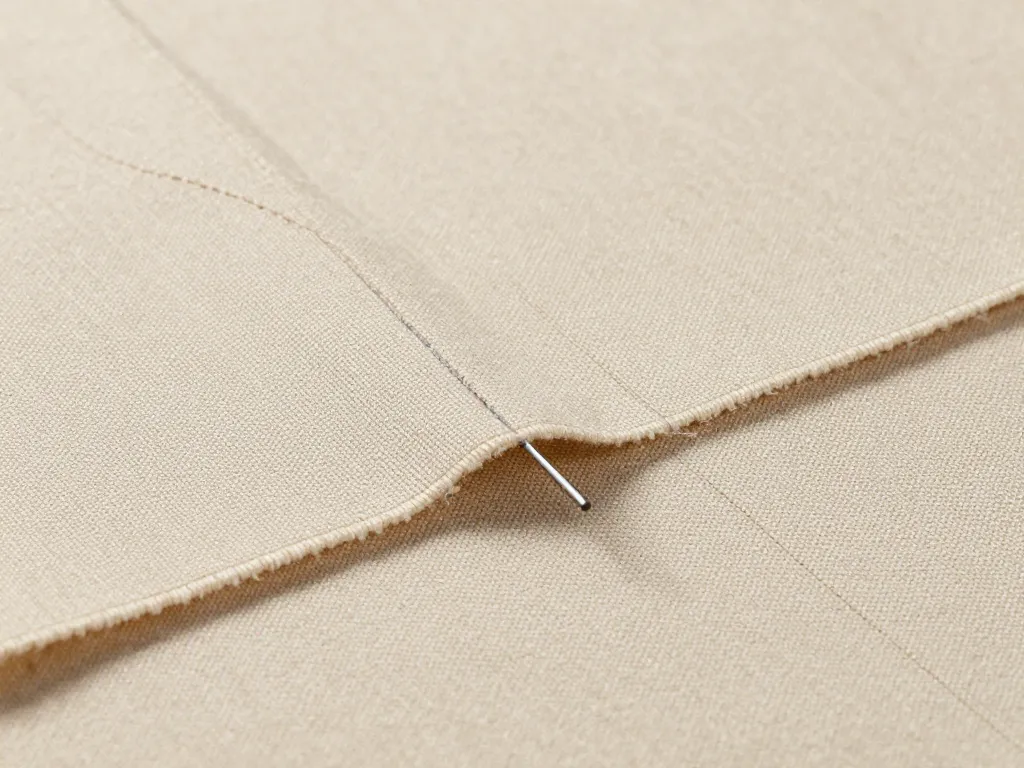
Fabric grain: The parallel lines that run along the length of the fabric, which can affect the way your project turns out.
Selvage: The finished edge of the fabric, which should always be parallel to the grain.
Seam allowance: The margin of fabric left between the edge of the fabric and the stitching line.
Basic Sewing Techniques for Beginners
Now that you’re familiar with the basics, in this sewing lessons for beginners, it’s time to dive into some essential sewing techniques. Don’t worry if it takes a little practice to get the hang of it – with patience and persistence, you’ll be sewing like a pro in no time!
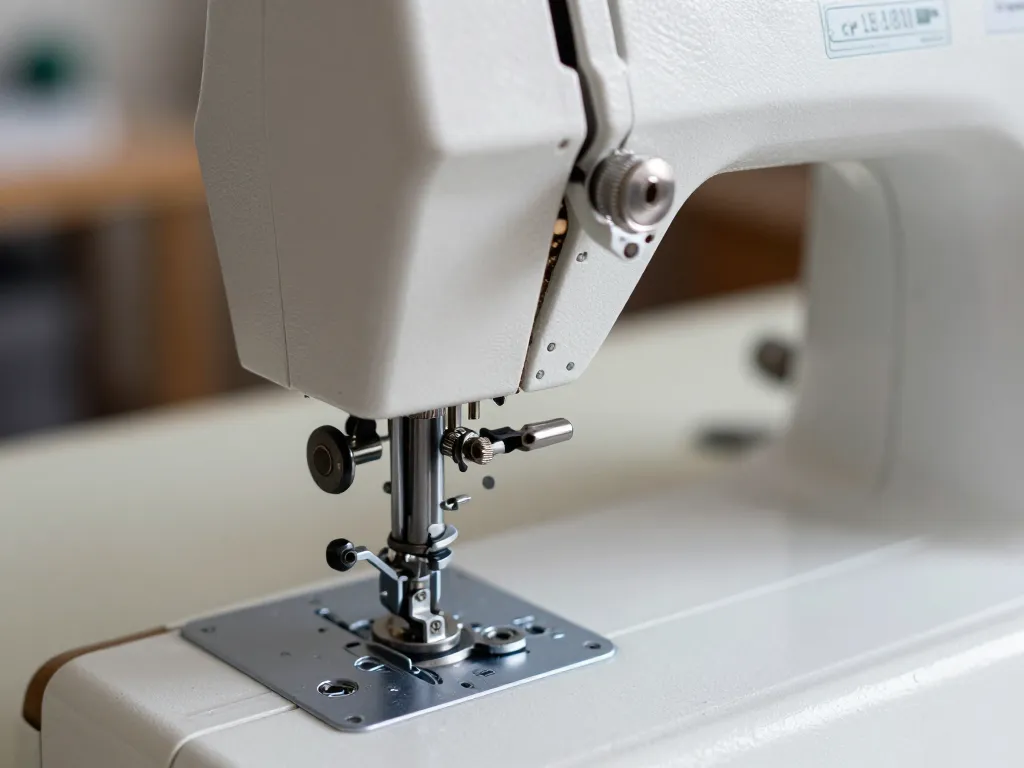
Threading your machine and winding a bobbin might seem daunting, but it’s easier than you think. Simply follow the manufacturer’s instructions, and you’ll be ready to go. When it comes to sewing, start with a simple running stitch, and gradually move on to more complex stitches as you become more confident.
Creating Your First Sewing Project
The moment of truth has finally arrived! It’s time to put your new skills to the test and create your first sewing project. Don’t be too hard on yourself if it’s not perfect – the goal is to have fun and learn as you go.
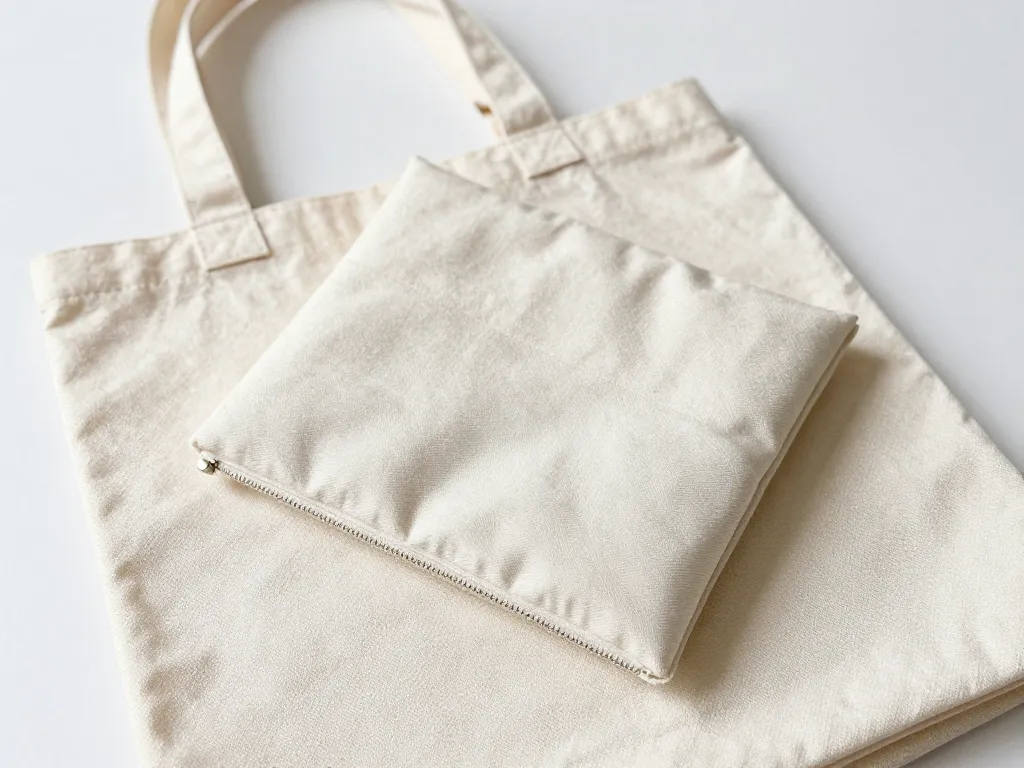
Start with a simple project, such as a tote bag or pillowcase. Follow a beginner-friendly pattern, and take your time. Remember to press your seams as you go, and don’t be afraid to ask for help if you need it. then try to make maxi dress sewing patterns
Conclusion of Sewing Lessons for Beginners Guide
Learning to sew takes time, patience, and practice. But in this sewing lessons for beginners guide with the right guidance and a willingness to learn, you can master the basics and create beautiful projects that you’ll cherish for years to come. So, what are you waiting for? Take the first step, and join the world of sewing enthusiasts. Happy sewing!
Ready to start your sewing journey?Download this beginner’s guide to sewing, complete with tutorials, patterns, and tips to get you started.
0 Comments