Master the fundamentals of sewing basics for beginners hand with our beginner-friendly guide, covering essential needle techniques to get you started before moving to a machine.
As a beginner in the world of sewing, it’s essential to start with the basics. While it’s tempting to dive straight into using a sewing machine, mastering hand needle techniques is crucial for building a strong foundation in sewing. Hand sewing allows for more control, precision, and versatility, making it an invaluable skill for any sewer. In this article, we’ll cover the fundamental hand needle techniques you need to know before moving on to a machine.
Understanding Sewing Basics for Beginners Hand
Before we dive into specific techniques, it’s essential to understand the basics of hand sewing. Hand sewing involves using a needle and thread to sew fabric together by hand. This method is ideal for small, intricate projects, repairing tears, and adding embellishments to garments. To get started, you’ll need a few basic tools: a sharp, thin needle, a spool of thread, and a pair of scissors.
Choosing the Right Needle
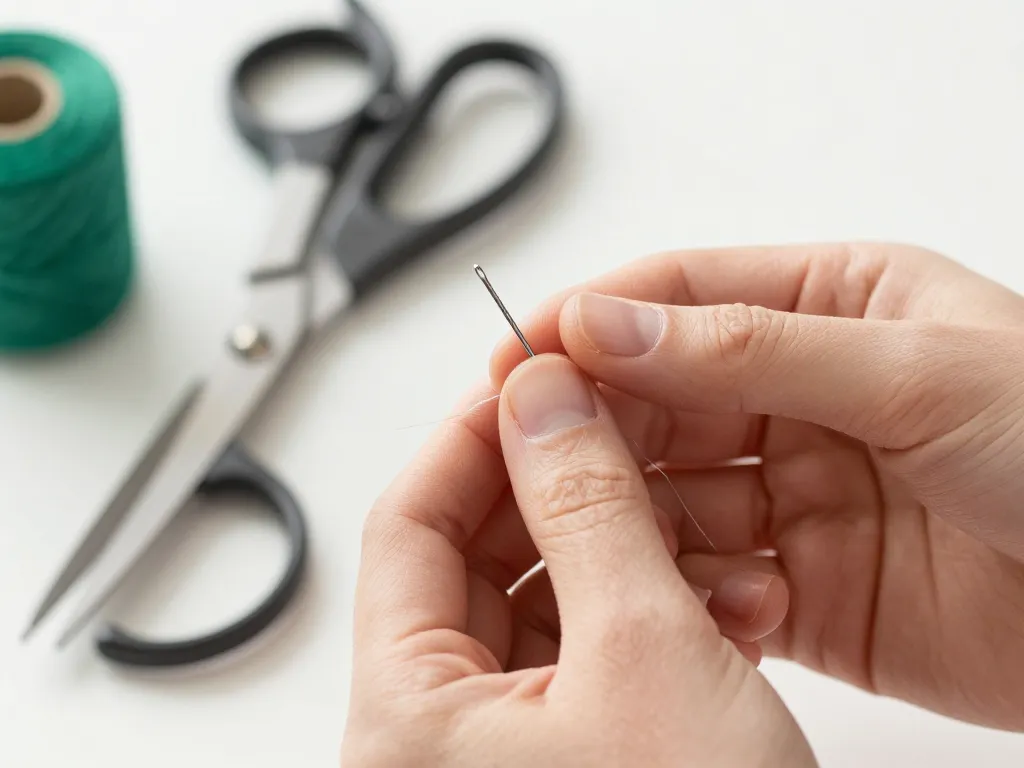
The type of needle you use can significantly impact the quality of your hand sewing. There are several types of needles available, each designed for specific tasks.
For beginners, maxi sewing basics for beginners hand, it’s best to start with a sharp, thin needle, such as a beading or embroidery needle. These needles have a small eye and a sharp point, making it easy to thread and navigate through fabric.
Basic Hand Sewing Stitches
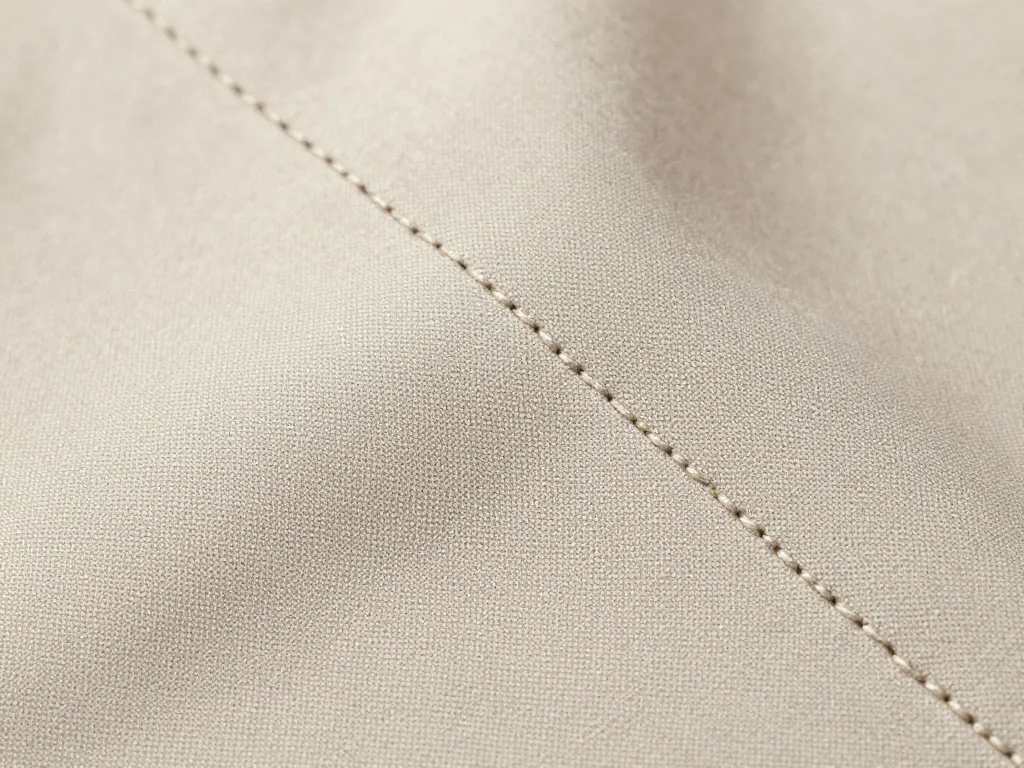
Now that you have your tools, it’s time to learn some basic hand sewing stitches. The running stitch is the most common hand sewing stitch and is used for seaming, basting, and gathering. To create a running stitch, bring the needle up through the fabric, then insert the needle back into the fabric about 1/4 inch away. Continue this process, moving the needle in a consistent, straight line.
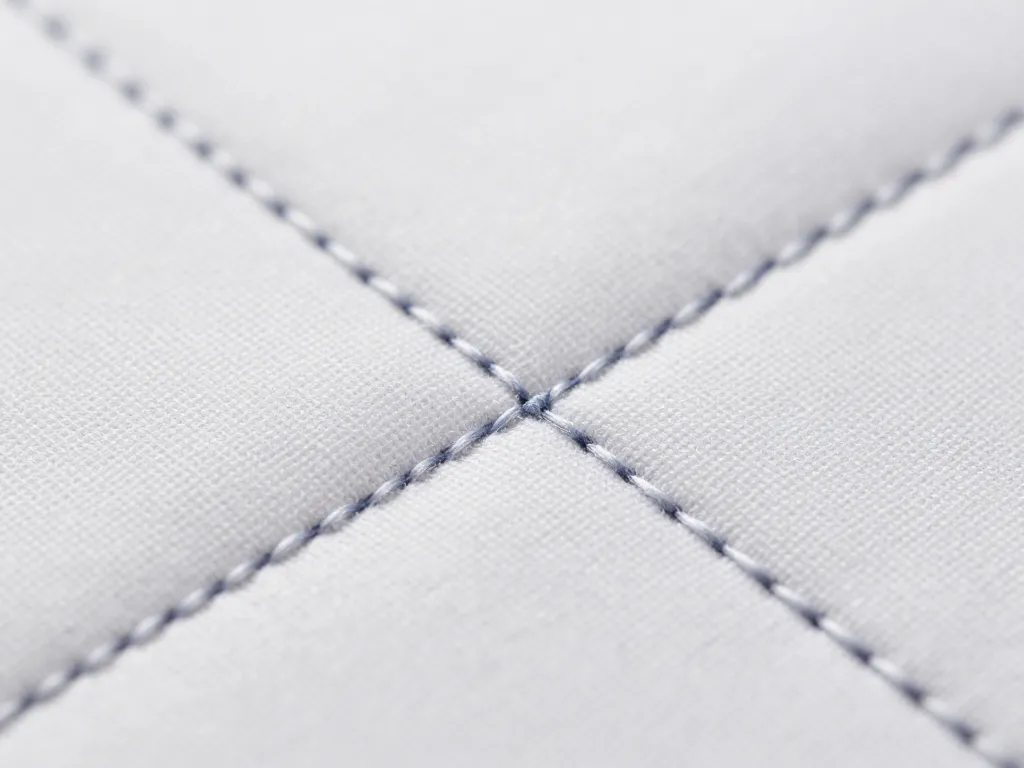
The backstitch is another essential hand sewing stitch, used for outlining designs, sewing on buttons, and creating a strong seam. To create a backstitch, bring the needle up through the fabric, then insert the needle back into the fabric about 1/4 inch away, but on the opposite side of the previous stitch. Continue this process, moving the needle in a consistent, straight line.
Whipstitching and Slipstitching
Whipstitching and slipstitching are two techniques used to finish seams and edges. Whipstitching involves sewing a series of small loops along the edge of the fabric, while slipstitching involves sewing a series of small stitches on the wrong side of the fabric. These techniques are essential for creating a professional-looking finish on your projects.
Threading Your Needle
Threading your needle can be a daunting task, especially for beginners. To make it sewing basics for beginners hand easier, try using a needle threader, which is a small tool designed to help guide the thread through the eye of the needle. Alternatively, you can try wetting the end of the thread, which will help it pass through the eye more easily.
Knotting Your Thread
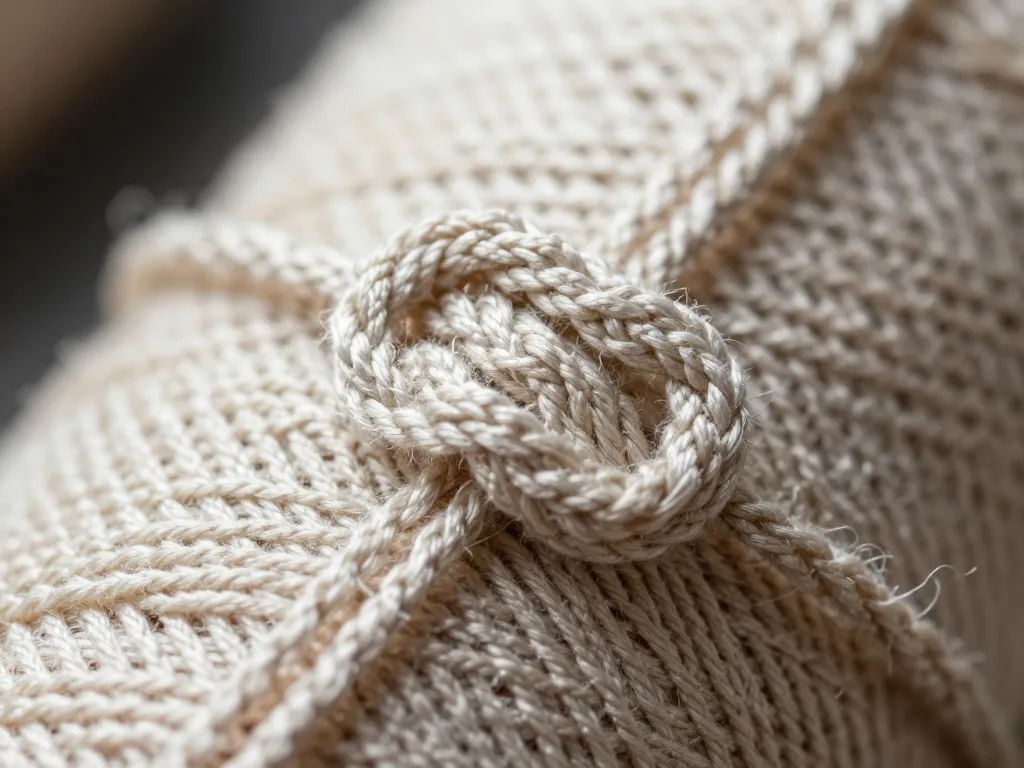
Once you’ve threaded your needle, it’s essential to knot the end of the thread to prevent it from coming loose. To create a knot, hold the thread between your thumb and index finger, then wrap the thread around your finger two or three times. Pass the needle through the loops, then pull the thread tight to create a secure knot.
Practicing Your Skills
Now that you’ve learned the basics of hand sewing, it’s time to practice your skills. Start with simple projects with sewing basics for beginners hand, such as sewing a straight line or repairing a small tear. As you become more confident, move on to more complex projects, such as sewing a button or creating a simple embroidery design.
Conclusion
Mastering hand needle techniques is an essential step in becoming a proficient sewer. By understanding the basics of hand sewing, choosing the right needle, and learning basic stitches, you’ll be well on your way to creating beautiful, professional-looking projects. Remember to practice your skills regularly, and don’t be afraid to experiment with new techniques and projects. With patience and dedication, you’ll be sewing like a pro in no time. So, what are you waiting for? Grab your needle and thread, and start sewing today!
0 Comments