Learn the fundamentals of sewing with our comprehensive guide sewing basics for beginners. Discover the essential tools, techniques, and tips to start sewing with confidence and create beautiful projects.
As a beginner, stepping into the world of sewing can be intimidating. With so many tools, techniques, and fabrics to choose from, it’s easy to feel overwhelmed. However, with the right guidance, sewing can become a fun and rewarding hobby that allows you to create beautiful projects and express your creativity. In this article, we will cover the sewing basics for beginners, providing a comprehensive guide to help you start sewing with confidence.
Understanding the Basics of Sewing
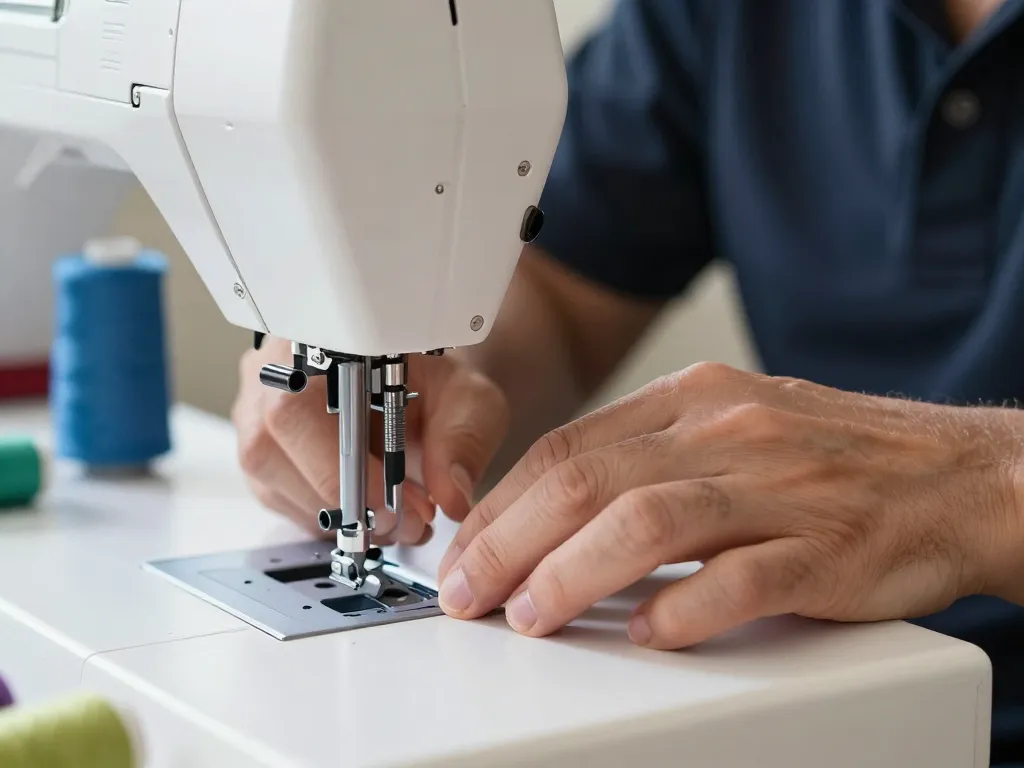
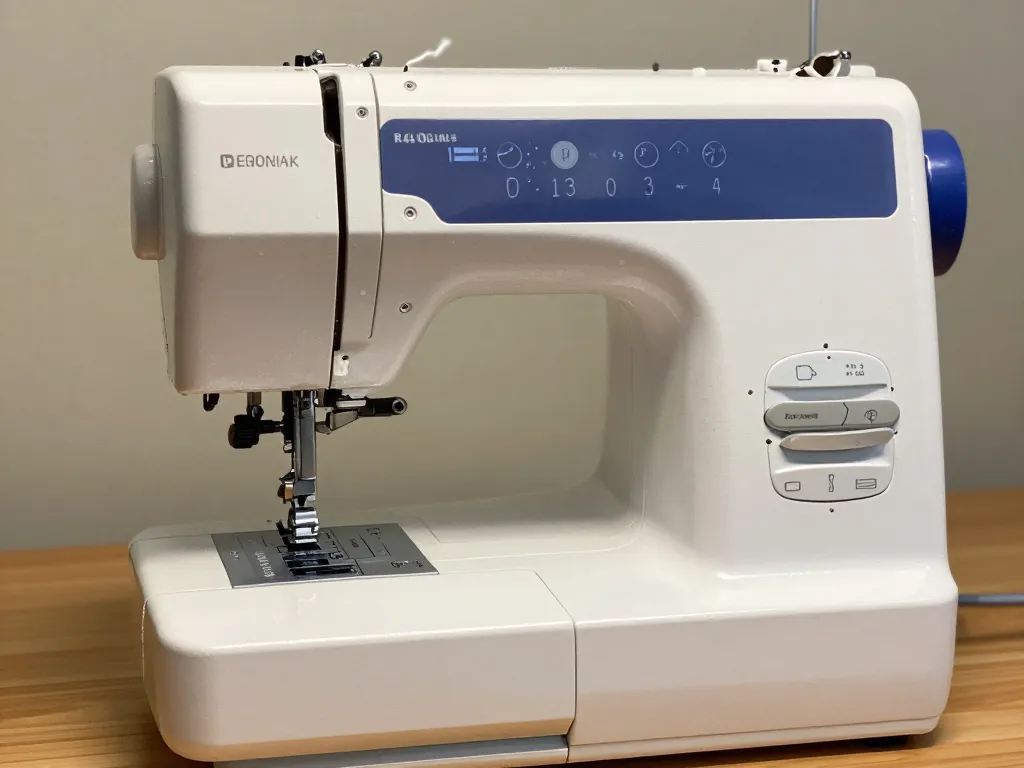
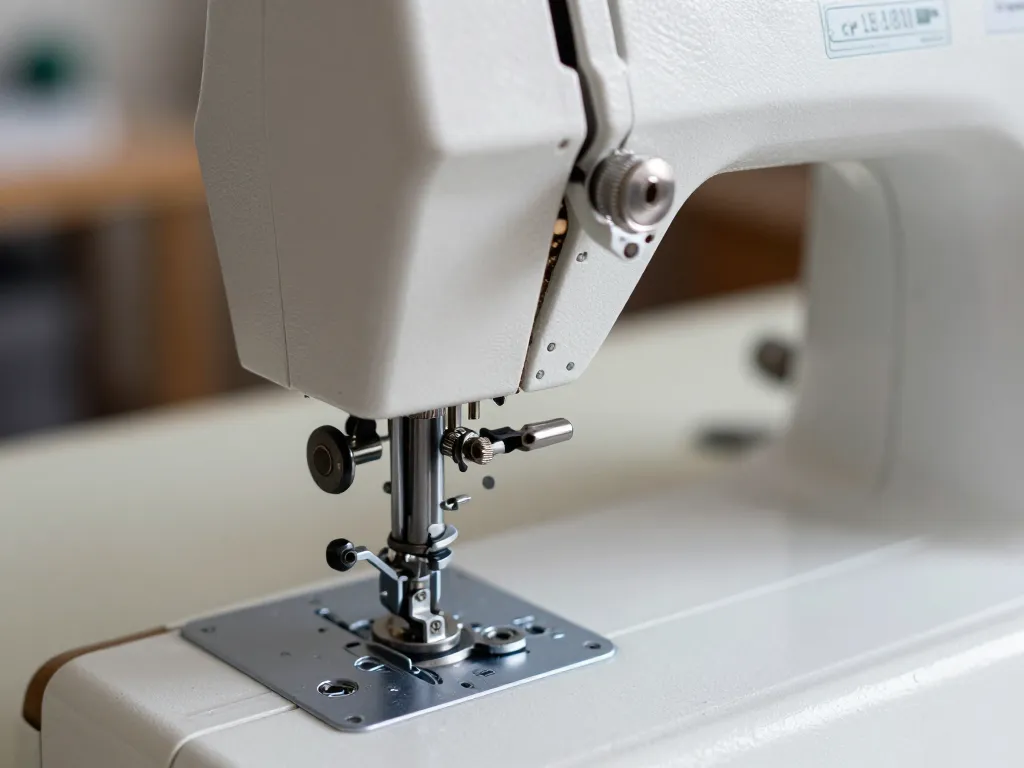
Before you begin sewing, it’s essential to understand the basics of how a sewing machine works and the fundamental techniques involved. A sewing machine is a device that uses thread to join two or more pieces of fabric together. The machine consists of a few key components, including the needle, bobbin, and presser foot. The needle is responsible for piercing the fabric and creating a hole for the thread to pass through, while the bobbin holds the thread and feeds it through the machine. The presser foot is a metal plate that holds the fabric in place as you sew.
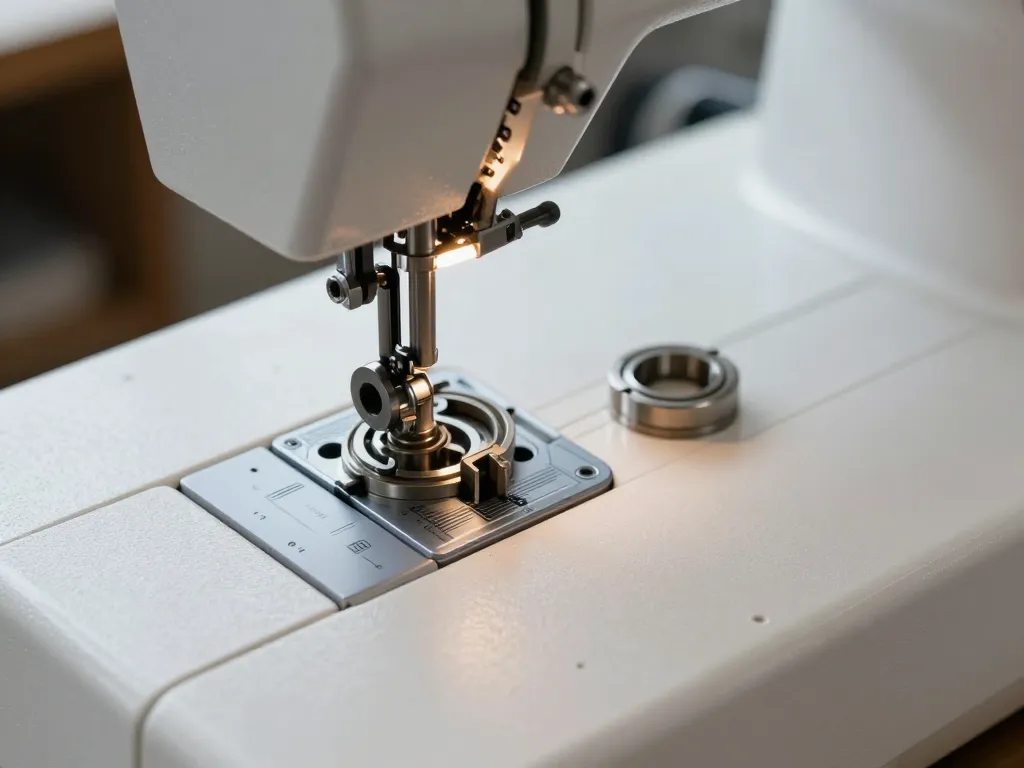
To start sewing, you’ll need to thread your machine and wind a bobbin. This process can seem daunting at first, but with practice, it will become second nature. Once you’ve threaded your machine, you can begin sewing by placing your fabric under the presser foot and guiding it through the machine.
Choosing the Right Fabric
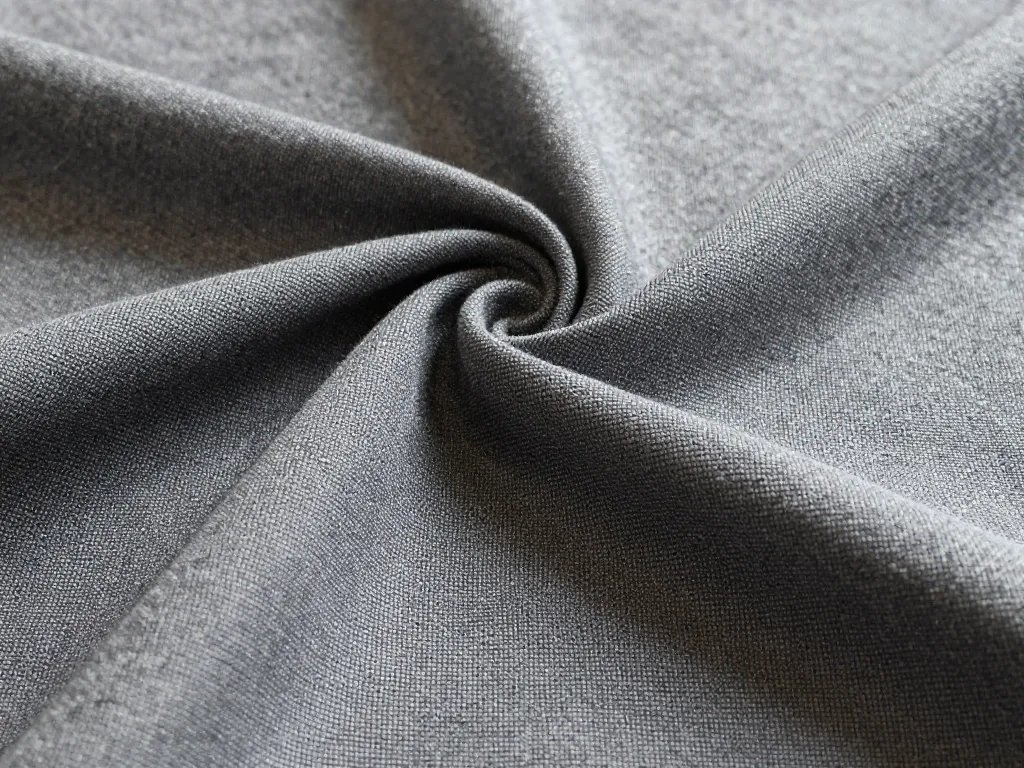
Selecting the right fabric is crucial for any sewing project. With so many types of fabric available, it can be difficult to know where to start. As a beginner, it’s best to start with cotton or polyester fabrics, as they are easy to work with and forgiving. Avoid using silk or delicate fabrics until you have more experience.
When choosing a fabric, consider the project you want to create and the look you want to achieve. For example, if you’re making a summer dress, you’ll want a lightweight, breathable fabric. If you’re making a winter coat, you’ll want a thicker, warmer fabric. It’s also important to consider the color and pattern of the fabric, as it can greatly impact the overall appearance of your project.
Essential Sewing Tools
In addition to a sewing machine, there are a few essential tools you’ll need to get started. These include:
Scissors: Good-quality scissors are essential for cutting your fabric accurately and efficiently.
Tape measure: A tape measure will allow you to take accurate measurements and ensure a perfect fit.
Sewing needles: Having a variety of sewing needles on hand will ensure you have the right one for your project.
Pins: Pins are used to hold your fabric in place as you sew, preventing it from shifting or moving.
Iron and ironing board: An iron and ironing board are necessary for pressing your seams and creating a professional finish.
Basic Sewing Techniques
Once you have your machine threaded and your fabric chosen, it’s time to start sewing. There are a few basic techniques you’ll need to master, including straight stitching, backstitching, and turning a corner. Straight stitching is the most common type of stitch and is used for sewing two pieces of fabric together. Backstitching is used to reinforce a seam and prevent it from coming undone. Turning a corner is a technique used to create a smooth, curved edge.
As you become more confident in your sewing abilities, you can start to experiment with more advanced techniques, such as gathering, darts, and zippers.
Common Mistakes to Avoid
As a beginner, it’s easy to make mistakes that can ruin your project. Some common mistakes to avoid include:
Using the wrong type of fabric for your project.
Not pressing your seams, resulting in a wrinkled and unprofessional finish.
Not backstitching at the beginning and end of your seam, causing it to come undone.
Not using the correct tension on your machine, resulting in loose or tight stitches.
By avoiding these common mistakes, you can ensure a professional finish and create beautiful projects that you’ll be proud to wear or display.
Tips for Sewing Success
In addition to mastering the basics of sewing, there are a few tips and tricks that can help you achieve success. These include:
Practice, practice, practice: The more you sew, the more confident you’ll become in your abilities.
Start with simple projects: Don’t try to tackle a complex project until you’ve mastered the basics.
Watch tutorials: Online tutorials can provide valuable guidance and help you learn new techniques.
Join a sewing community: Connecting with other sewers can provide motivation and support.
Conclusion
Sewing is a fun and rewarding hobby that can provide a sense of accomplishment and creativity. By mastering the basics of sewing, choosing the right fabric, and using the right tools and techniques, you can create beautiful projects that you’ll be proud to wear or display. Remember to practice regularly, start with simple projects, and don’t be afraid to ask for help. With patience and persistence, you can become a confident sewer and create stunning projects that will impress friends and family.
So why not get started today? Grab your sewing machine, choose a fabric, and begin creating. You never know what beautiful projects you’ll create and the confidence you’ll gain along the way. Happy sewing!
0 Comments