Learn the art of hand sewing with our comprehensive guide for beginners. Discover easy techniques to get you started without needing a sewing machine.
Sewing is an essential life skill that can be both practical and therapeutic. While many may think that sewing requires a machine, the truth is that you can create beautiful and functional items by hand. In this article, we’ll take you through the basics of sewing for beginners by hand, covering the essential techniques and tools you need to get started.
The Benefits of Hand Sewing
————————
Hand sewing offers a range of benefits, from the tactile experience of working with fabric to the satisfaction of creating something with your own hands. Unlike machine sewing, hand sewing allows for greater control and precision, making it ideal for delicate or intricate projects. Additionally, hand sewing is a great way to relax and unwind, providing a calming and meditative experience.
Choosing the Right Tools and Materials
———————————–
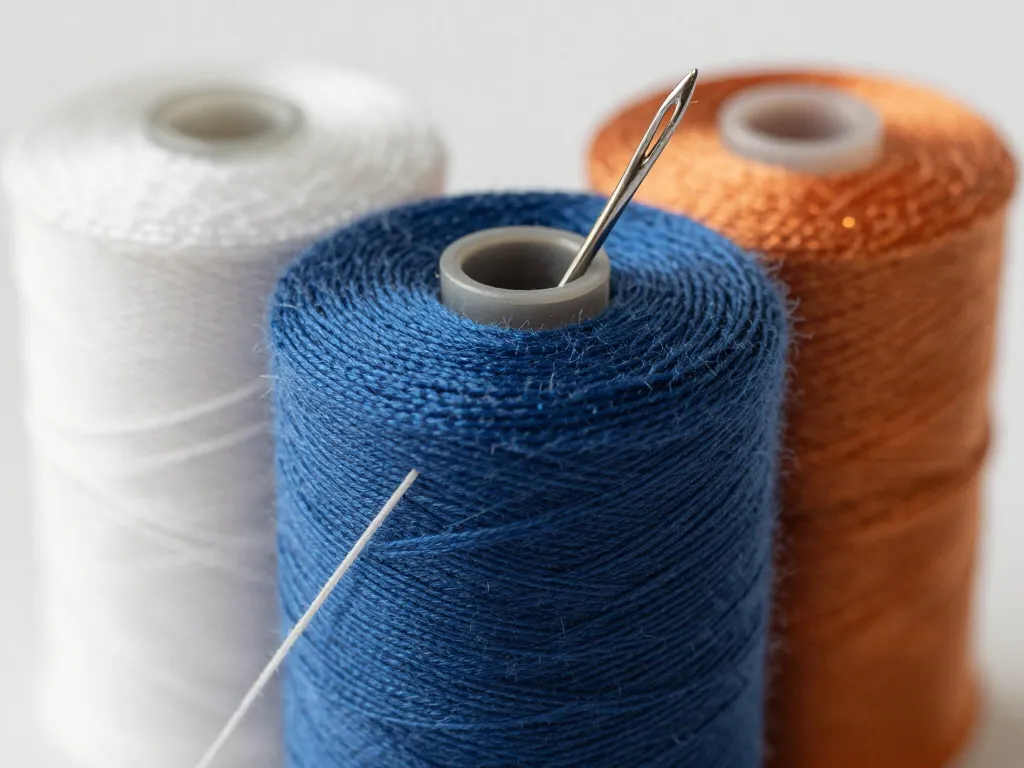
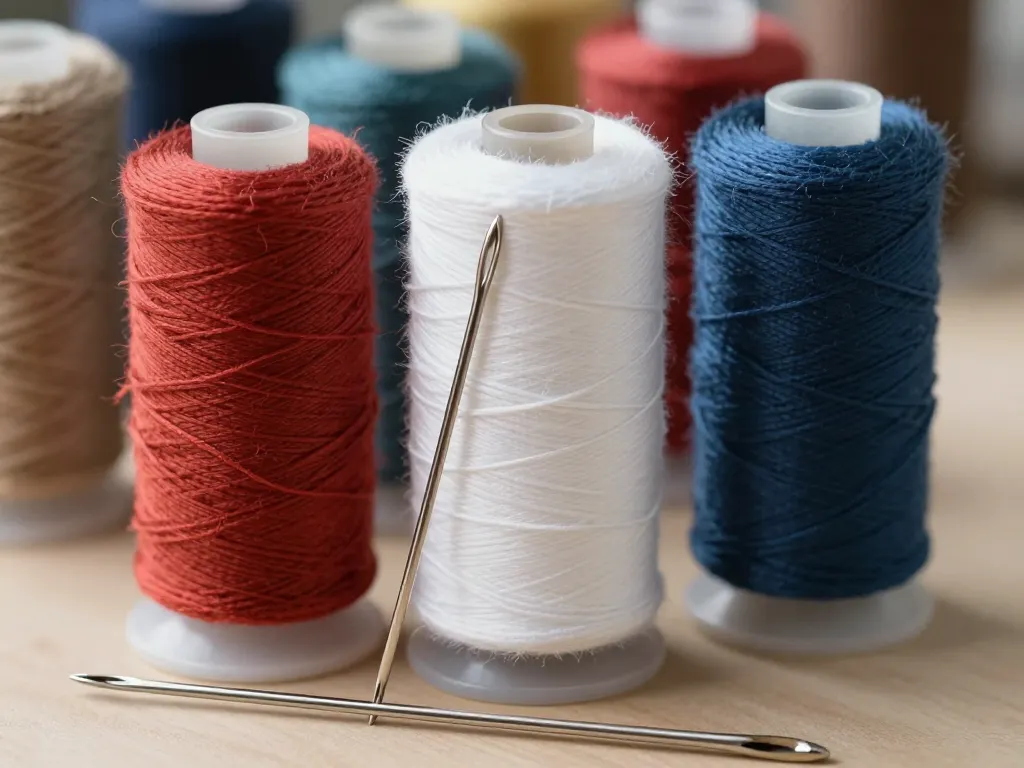
Before you begin, it’s essential to have the right tools and materials. You’ll need a good quality needle, some thread, and a pair of scissors. Look for a needle with an eye big enough to accommodate the thread you’ve chosen, and select a thread that matches the color of your fabric. You’ll also need a thimble to protect your fingers from the needle.
When it comes to fabric, choose a simple cotton or linen to start with. Avoid fabrics with stretch or too much texture, as they can be difficult to work with. You can find a wide range of fabrics at your local craft store or online.
Basic Hand Sewing Stitches
————————-
The key to successful hand sewing is mastering a few basic stitches. The running stitch, backstitch, and whipstitch are essential for beginners.
The running stitch is the most basic of all hand sewing stitches. It’s used for seaming, gathering, and basting. To create a running stitch, bring your needle up through the fabric, then insert it back into the fabric about 1/4 inch away. Continue this process, moving your needle in a consistent rhythm.
The backstitch is used for outlining and creating straight lines. It’s a bit more challenging than the running stitch, but with practice, you’ll get the hang of it. To create a backstitch, bring your needle up through the fabric, then insert it back into the fabric about 1/4 inch away, but on the opposite side of where it came up. Continue this process, moving your needle in a consistent rhythm.

The whipstitch is used for finishing seams and edges. It’s a quick and easy stitch to master. To create a whipstitch, bring your needle up through the fabric, then wrap the thread around the edge of the fabric. Insert the needle back into the fabric, and pull the thread tight.
Projects for Beginners
———————
Now that you’ve mastered the basic stitches, it’s time to put your skills to the test with some fun projects. Here are a few ideas to get you started:
A simple pouch or bag is a great way to practice your running stitch and backstitch. You can use a pre-cut piece of fabric or cut your own to size.
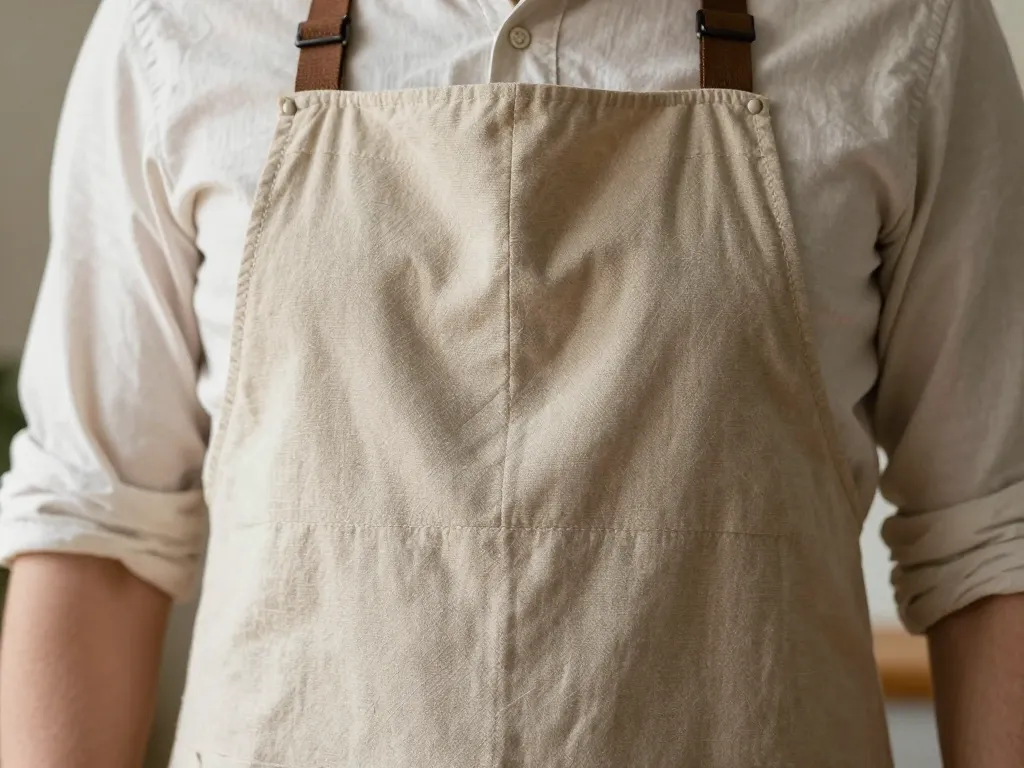
A hand-sewn apron is a great way to practice your whipstitch and running stitch. You can add decorative elements like pockets and ties.
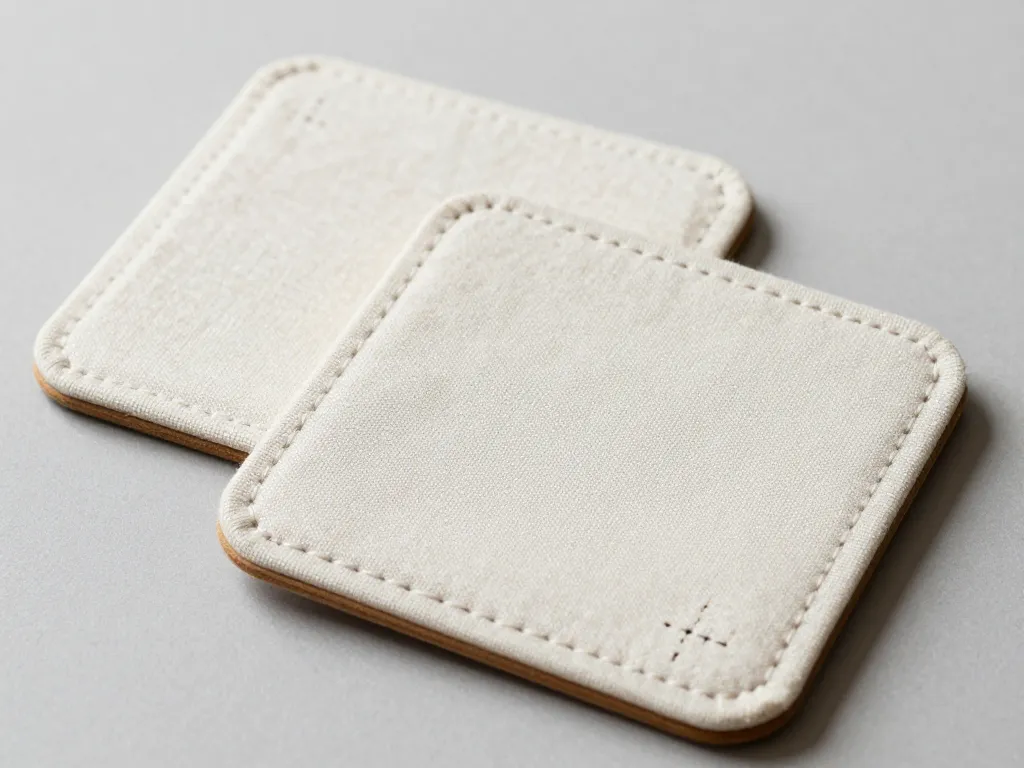
A set of coasters is a quick and easy project that’s perfect for practicing your running stitch and backstitch. You can use a variety of fabrics and add decorative elements like buttons or embroidery.
Tips and Tricks for Hand Sewing
—————————–
As you begin your hand sewing journey, here are a few tips and tricks to keep in mind:
Use good lighting to see your stitches clearly.
Keep your fingers and hands relaxed to avoid fatigue.
Use a thimble to protect your fingers from the needle.
Don’t pull your thread too tight, as this can cause puckering or distortion.
Practice, practice, practice – the more you sew, the more comfortable you’ll become with the stitches.
Conclusion
———-
Hand sewing is a skill that requires patience, practice, and dedication. With the right tools and materials, you can create beautiful and functional items that will last for years to come. Remember to start with simple projects and gradually work your way up to more complex ones. Don’t be afraid to make mistakes – they’re an essential part of the learning process. With time and practice, you’ll become a skilled hand sewer, capable of creating stunning pieces that will be treasured for generations to come.
So why not get started today? Gather your materials, find a comfortable spot, and begin your hand sewing journey. You never know where it will take you!
0 Comments