Learn how to create adorable and lifelike animal sewing patterns as a beginner with our expert tips and tricks for achieving professional-looking results.
As a beginner in the world of sewing, creating animal sewing patterns can seem like a daunting task. However, with the right guidance and techniques, you can create adorable and realistic animal designs that will impress anyone. In this article, we will provide you with a comprehensive guide on how to create animal sewing patterns for beginners, including essential tips and tricks for achieving professional-looking results.
Understanding the Basics of Animal Sewing Patterns
Before diving into the world of animal sewing patterns, it’s essential to understand the basics of sewing and pattern making. As a beginner, it’s crucial to start with simple designs and gradually move on to more complex ones. Animal sewing patterns typically involve creating a 2D design that can be sewn together to form a 3D shape. To achieve this, you’ll need to understand how to work with different fabrics, threads, and sewing techniques.
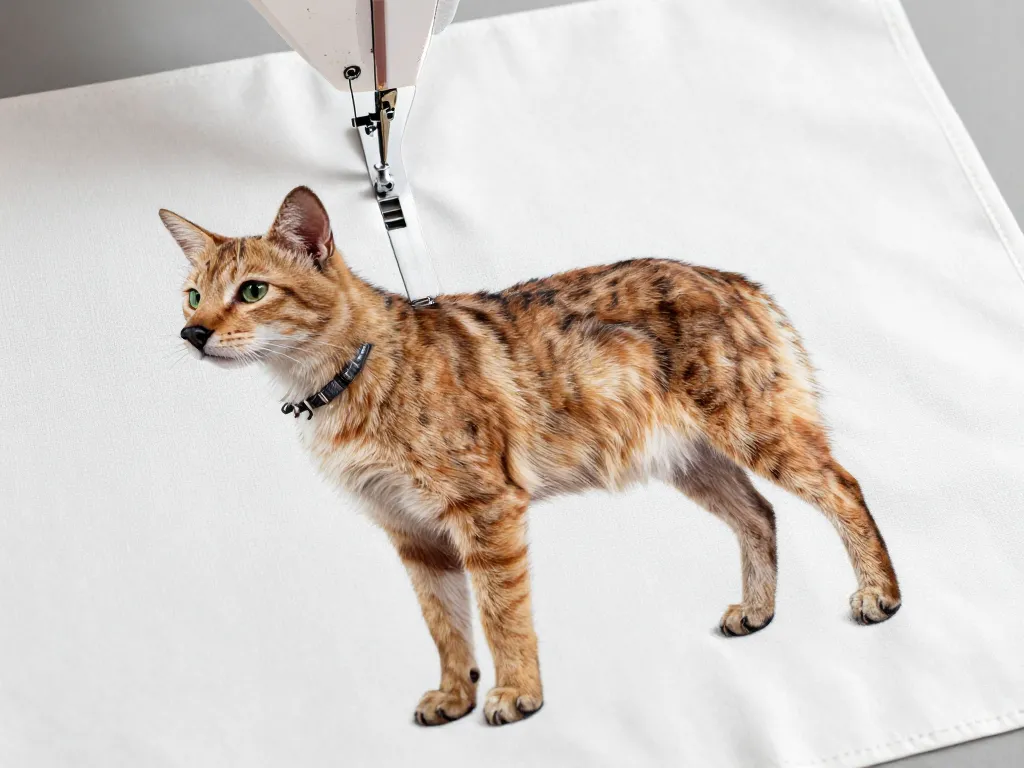
One of the most critical aspects of creating animal sewing patterns is understanding the anatomy of the animal you want to create. Researching the animal’s body shape, proportions, and features will help you create a more realistic design. For example, if you’re creating a sewing pattern for a cat, you’ll need to understand the shape of its ears, eyes, and body proportions.
Choosing the Right Fabric and Thread
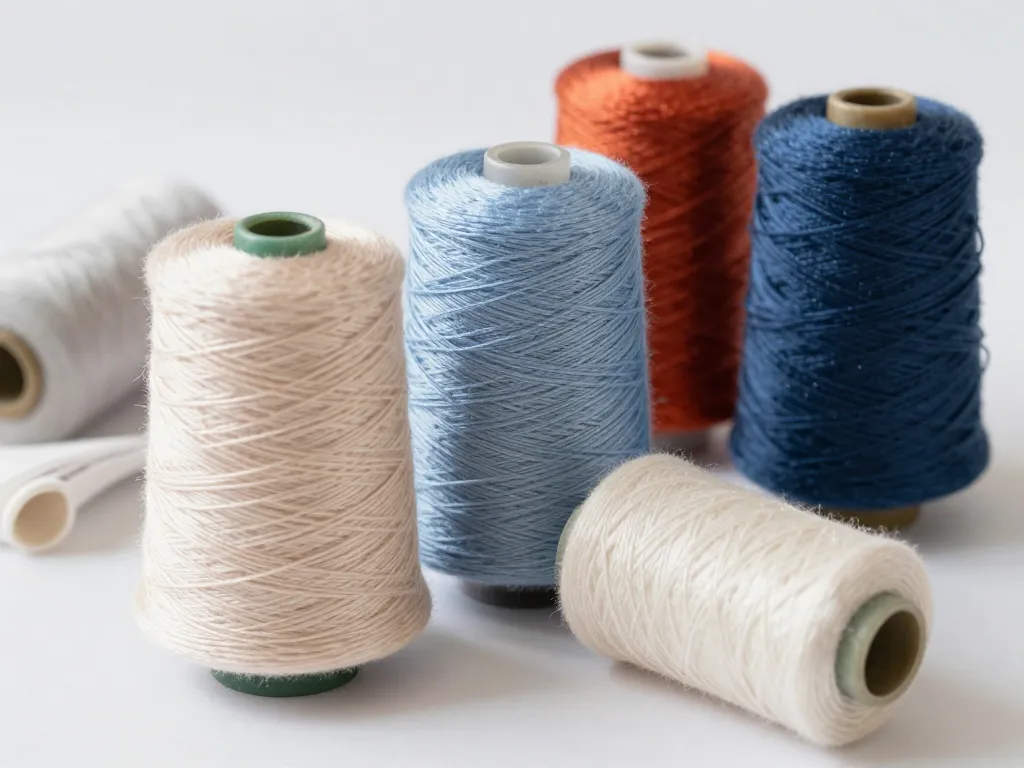
The type of fabric and thread you choose can significantly impact the overall look and feel of your animal sewing pattern. For beginners, it’s recommended to start with simple fabrics such as cotton or fleece, which are easy to work with and provide a smooth finish. When it comes to thread, choose a color that complements the fabric and blends well with the design.
Designing Your Animal Sewing Pattern
Once you have a good understanding of the basics and have chosen the right fabric and thread, it’s time to design your animal sewing pattern. There are several ways to create a sewing pattern, including drawing it by hand or using computer software. As a beginner, it’s recommended to start with a simple design and gradually add more details as you become more confident.
When designing your pattern, consider the size and shape of the animal, as well as the features that make it unique. For example, if you’re creating a sewing pattern for a dog, you’ll need to consider the shape of its ears, nose, and tail. You can use reference images or real-life observations to get a better understanding of the animal’s features.
Tips for Achieving Realistic Results
To achieve realistic results, it’s essential to pay attention to the details. Here are some tips to help you create a more lifelike animal sewing pattern:
Use a variety of fabrics and textures to create depth and dimension.
Add subtle shading and color variations to create a more realistic look.
Use embroidery floss or yarn to create details such as eyes, noses, and mouths.
Experiment with different sewing techniques, such as appliqué or quilting, to add texture and interest.
Common Mistakes to Avoid
As a beginner, it’s natural to make mistakes. However, by being aware of common mistakes, you can avoid them and create a more professional-looking design. Here are some common mistakes to avoid:
Not researching the animal’s anatomy thoroughly, resulting in inaccurate proportions and features.
Using the wrong type of fabric or thread, which can affect the overall look and feel of the design.
Not paying attention to detail, resulting in a sloppy or unfinished design.
Bringing Your Animal Sewing Pattern to Life
Once you’ve designed and sewn your animal sewing pattern, it’s time to bring it to life. You can add details such as eyes, noses, and mouths using embroidery floss or yarn. You can also add stuffing or weights to create a more lifelike shape.
Conclusion
Creating animal sewing patterns as a beginner may seem daunting, but with the right guidance and techniques, you can achieve professional-looking results. By understanding the basics of sewing and pattern making, choosing the right fabric and thread, designing your pattern, and paying attention to detail, you can create adorable and realistic animal designs. Remember to avoid common mistakes and experiment with different techniques to achieve a more lifelike look. With practice and patience, you’ll be creating stunning animal sewing patterns in no time. So why not get started today and unleash your creativity?

0 Comments