Learn the secrets to creating adorable sewing patterns for beginners plushies with ease! Discover simple tricks and techniques for mastering sewing patterns as a beginner, and take your sewing skills to the next level.
As a beginner sewer, the thought of working with sewing patterns can be daunting. However, with the right guidance and simple tricks, you can create adorable plushies that will impress friends and family alike. In this article, we’ll explore the world of sewing patterns, demystifying the process and providing you with the confidence to tackle even the most complex designs.
Understanding Sewing Patterns for Beginners Plushies Guide
Before we dive into the world of plushies, it’s essential to understand the basics of sewing patterns for beginners plushies. A sewing pattern is a template or design used to cut out fabric pieces, which are then sewn together to create a finished garment or, in this case, a plushie. Patterns can be found in various forms, including paper, digital, and even pre-printed fabric.
When selecting a sewing pattern, it’s crucial to choose one suitable for your skill level. As a beginner, look for patterns labeled “easy” or “beginner-friendly.” These patterns typically feature simple designs, fewer pieces, and clear instructions. Additionally, consider the type of fabric recommended for the pattern. Cotton and fleece are excellent choices for plushies, as they’re soft, easy to work with, and provide a cuddly texture.
Breaking Down the Pattern: Identifying Pieces and Notches
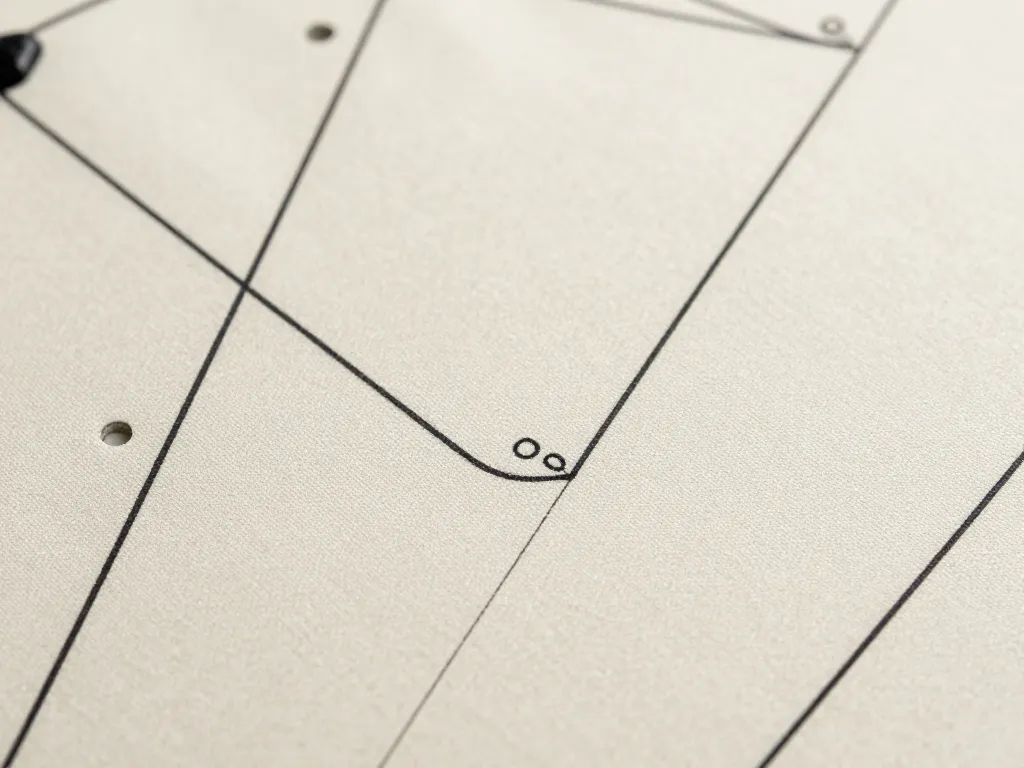
Once you’ve chosen your pattern, it’s time to break it down and understand the individual pieces. A typical plushie pattern consists of several components, including the body, head, ears, and limbs. Each piece will have notches or markings that indicate where they should be connected.
To ensure accuracy, take the time to carefully examine each piece, identifying the notches and corresponding connections. This step may seem tedious, but it’s essential for achieving a professional-looking finish. As you work through the pattern, use a ruler or measuring tape to double-check your measurements, ensuring that each piece is cut accurately.
Simplifying the Sewing Process: Tips and Tricks
Now that you’re familiar with the pattern pieces, it’s time to start sewing. Here are a few simple tricks to make the process smoother:
Use a walking foot or Teflon foot on your sewing machine to help guide the fabric and reduce friction.
Press your seams as you go to prevent bulkiness and ensure a crisp finish.
Use a 1/4 inch seam allowance to maintain consistency and prevent errors.
When sewing plushie pieces together, start with the larger components, such as the body and head. Use a simple running stitch or a decorative stitch to add visual interest. As you work through the pattern, remember to leave small openings for turning the pieces right side out.
Adding the Finishing Touches: Stuffing and Embellishments
Once you’ve sewn all the pieces together, it’s time to add the finishing touches. Use a polyester fiberfill to stuff your plushie, making sure to fill it firmly but not too tightly. Use a chopstick or pencil to help guide the fiberfill into small areas, such as the ears and limbs.
To add embellishments, such as eyes, noses, or mouths, use a hot glue gun or a needle and thread. Keep your embellishments simple, especially as a beginner, to avoid overwhelming the design. A few strategically placed features can make a significant impact on the overall appearance of your plushie.
Common Mistakes to Avoid: Troubleshooting Your Plushie
As a beginner, it’s natural to encounter setbacks or mistakes. Here are a few common errors to watch out for:
Inaccurate cutting: Double-check your measurements to ensure that each piece is cut correctly.
Inconsistent seams: Use a 1/4 inch seam allowance and press your seams to maintain consistency.
Overstuffing: Leave a small opening for turning the plushie right side out, and avoid overfilling with fiberfill.
If you encounter any issues, don’t be discouraged. Take a deep breath, identify the problem, and work through it step by step. Remember, practice makes perfect, and even the most experienced sewers encounter mistakes.
Conclusion: Mastering Sewing Patterns for Beginners
Mastering sewing patterns takes time and practice, but with these simple tricks and techniques, you’ll be well on your way to creating adorable plushies that will delight friends and family. Remember to choose patterns suitable for your skill level, break down the pattern into manageable pieces, and take your time when sewing. Don’t be afraid to experiment and try new things – and most importantly, have fun!
So, what are you waiting for? Grab your sewing machine, choose a pattern, and start creating your own cuddly plushies today!
0 Comments